
Our Short List of 3

- Best for: Hard-use cutting, rope, and cardboard where a longer blade earns its keep.
- 3.4-inch recurve blade
- Olive aluminum handle
- SpeedSafe assisted opening
- 3.9 ounces

- Best for: Slim everyday carry and office-friendly pocket duty.
- 3-inch Sandvik 14C28N drop point blade
- 410 stainless steel handle
- SpeedSafe assisted opening with frame lock and tip lock
- 3 ounces; 7 inches open, 4 inches closed

- Best for: Buyers who want a harder-working edge and sharpen less often.
- 3-inch composite drop point blade (CPM D2 and Bohler N690)
- Olive aluminum handle
- Assisted flipper opening with SpeedSafe
- Model 1812OLCB
All 5 Picks at a Glance
| Product | Specs | Action |
|---|---|---|
| 1. Kershaw Blur 1670OLBLK |
| Check price on Amazon |
| 2. Kershaw Leek 1660 |
| Check price on Amazon |
| 3. Kershaw Dividend 1812OLCB |
| Check price on Amazon |
 4. Kershaw Bel Air 6105BLK |
| Check price on Amazon |
 5. Kershaw Iridium 2038 |
| Check price on Amazon |
Key takeaways
- Find the best Kershaw knife for everyday carry. We compare five folders, from the slim Leek to the premium Bel Air, so you can pick with confidence.
A Kershaw folder earns its place in a pocket by opening fast with one hand, holding an edge through ordinary cutting, and disappearing until the next job. The choice is rarely about the brand, since the catalog runs from slim gentleman’s folders to hard-use work knives, and the wrong pick shows up as a blade that is too long for the office, too heavy for light clothing, or too fiddly to close one-handed. This guide sorts the current lineup by the jobs each knife actually suits.
This roundup is for everyday carriers who want one dependable folder, for cooks and makers who need a pocket knife for light tasks, and for buyers choosing a first Kershaw without sorting through dozens of near-identical models. Every knife below was chosen from the name and specifications shown on its Amazon product page, and each model number is stated so the exact version is easy to find.
Quick Picks
As an Amazon Associate we earn from qualifying purchases
| Product | Best for | Key spec |
|---|---|---|
| Kershaw Blur 1670OLBLK | Hard-use everyday cutting | 3.4-inch recurve blade |
| Kershaw Leek 1660 | Slim pocket carry | 3-inch Sandvik 14C28N drop point blade |
| Kershaw Dividend 1812OLCB | Upgraded blade steel | 3-inch composite CPM D2 and Bohler N690 blade |
| Kershaw Bel Air 6105BLK | Premium manual folder | 3.4-inch CPM MagnaCut blade |
| Kershaw Iridium 2038 | D2 steel with DuraLock | 3.4-inch D2 steel blade |
How to Choose
Blade Length and Shape
Blade length decides what a knife can do and where it feels at home. A three-inch drop point handles boxes, food prep, and cord without drawing attention, while a 3.4-inch blade adds reach for tougher cutting and a more secure grip. Recurve blades bite aggressively into rope and fibrous material, but their curved edge takes more care to sharpen than a straight drop point. Match the shape to the cutting you do most: a drop point for general use, a recurve for slicing chores, and a shorter blade when the knife will ride in a pocket alongside keys and a phone.
Blade Steel
Steel decides how long an edge lasts and how much work it takes to bring it back. Sandvik 14C28N and 420HC sharpen easily and resist rust well, which suits a knife that gets used daily and touched up often. D2 holds an edge longer but asks for more patience at the sharpener and a little more care against moisture. Composite blades pair a hard cutting edge with a tougher spine, while premium steels such as CPM MagnaCut aim for both edge holding and corrosion resistance in one blade. Pick the steel that fits your sharpening habits rather than chasing the hardest steel on the list.
Opening and Lock
How a knife opens shapes how it feels in daily use. SpeedSafe assisted opening snaps the blade out with a flipper or thumb stud, which is handy when one hand is busy, while a manual folder opens with a deliberate thumb push and no spring to wear out. The lock matters just as much: a frame lock uses the handle itself, a liner lock uses a thin inner leaf, and the DuraLock design adds a crossbar-style catch that stays put under load. Check that the lock releases cleanly with one hand and that the knife carries a tip lock or similar guard against opening in a pocket.
Handle, Weight, and Carry
A pocket knife is carried far more than it is used, so weight and handle shape deserve real attention. A three-ounce folder vanishes into a pocket, while a knife near five ounces announces itself with every step and can drag light clothing out of shape. Aluminum handles keep weight down and grip well when textured, while stainless handles feel solid but add heft and can turn slick with wet hands. Look for a reversible pocket clip that matches your draw side and a closed length that sits flat beside a wallet or phone without printing through the fabric.
The 5 Best Options
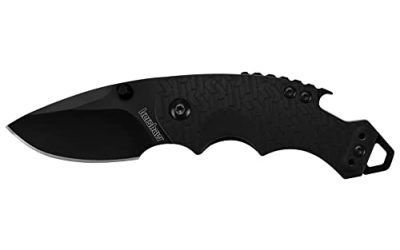
1. Kershaw Blur 1670OLBLK
- Best for: Hard-use cutting, rope, and cardboard where a longer blade earns its keep.
- 3.4-inch recurve blade
- Olive aluminum handle
- SpeedSafe assisted opening
- 3.9 ounces
Hard-use cutting, rope, and cardboard where a longer blade earns its keep.
The recurve edge takes more care to sharpen than a straight drop point, and the 3.9-ounce weight is noticeable in light clothing.
The Blur is the hardest-working knife in this group, built around a 3.4-inch recurve blade that slices rope, cardboard, and cord with a long, aggressive sweep. Its olive aluminum handle gives a secure grip without the heft of an all-steel frame, and SpeedSafe assisted opening fires the blade out with a short flipper push. At 3.9 ounces it carries more presence than the slim folders here, but that weight buys a knife that handles real cutting chores without flexing or tiring the hand.
Watch out for: The recurve edge takes more care to sharpen than a straight drop point, and the 3.9-ounce weight is noticeable in light clothing.
2. Kershaw Leek 1660
- Best for: Slim everyday carry and office-friendly pocket duty.
- 3-inch Sandvik 14C28N drop point blade
- 410 stainless steel handle
- SpeedSafe assisted opening with frame lock and tip lock
- 3 ounces; 7 inches open, 4 inches closed
Slim everyday carry and office-friendly pocket duty.
The thin handle gives less grip for heavy cutting, so buyers with larger hands should expect a light-duty tool rather than a work knife.
The Leek is the slim everyday carry of the group, a three-inch drop point folder that rides flat in a pocket and weighs just three ounces. Its Sandvik 14C28N blade takes a keen edge and touches up easily, while the stainless handle keeps the profile thin enough to sit beside a phone without bulk. SpeedSafe assisted opening, a frame lock, and a tip lock round out a design that has stayed in the Kershaw catalog for years because it does the ordinary jobs well. A BlackWash finish is also listed for this model, with a worn-in look that hides pocket scratches.
Watch out for: The thin handle gives less grip for heavy cutting, so buyers with larger hands should expect a light-duty tool rather than a work knife.
3. Kershaw Dividend 1812OLCB
- Best for: Buyers who want a harder-working edge and sharpen less often.
- 3-inch composite drop point blade (CPM D2 and Bohler N690)
- Olive aluminum handle
- Assisted flipper opening with SpeedSafe
- Model 1812OLCB
Buyers who want a harder-working edge and sharpen less often.
The composite blade still needs regular care against moisture, and the olive handle shows scuffs with hard use.
The Dividend is the steel upgrade of the group, pairing a three-inch composite blade with an olive aluminum handle for a knife that cuts well above its size. The composite edge combines CPM D2 at the cutting edge with Bohler N690 along the spine, a pairing meant to hold sharpness longer while keeping the blade tough under twisting cuts. Assisted flipper opening keeps deployment quick, and the slim frame slips into a pocket as easily as the Leek while offering a harder-working edge for buyers who sharpen less often.
Watch out for: The composite blade still needs regular care against moisture, and the olive handle shows scuffs with hard use.
4. Kershaw Bel Air 6105BLK
- Best for: A premium manual folder with top-tier steel for daily carry.
- 3.4-inch CPM MagnaCut steel blade
- DuraLock locking mechanism
- Manual folder opening
- Made in the USA
A premium manual folder with top-tier steel for daily carry.
The manual opening takes a deliberate thumb push, and MagnaCut still needs drying after wet work.
The Bel Air is the premium manual folder of the group, built around a 3.4-inch CPM MagnaCut blade that aims for long edge life and strong corrosion resistance in one steel. Its DuraLock mechanism holds the blade firmly through heavy cuts and releases with a deliberate push, giving a manual knife the confidence of a locked fixed blade without the assist spring. Made in the USA with a pocket clip for everyday carry, it suits buyers who want the best steel here and prefer to open their knife with a thumb rather than a spring.
Watch out for: The manual opening takes a deliberate thumb push, and MagnaCut still needs drying after wet work.
5. Kershaw Iridium 2038
- Best for: Everyday D2 steel cutting with a secure crossbar-style lock.
- 3.4-inch D2 steel blade
- DuraLock locking mechanism
- Grey aluminum handle
- Model 2038
Everyday D2 steel cutting with a secure crossbar-style lock.
D2 asks for more patience at the sharpener, and the grey handle can show dings from keys and coins.
The Iridium rounds out the group as a D2 steel folder with the DuraLock mechanism, offering a 3.4-inch blade and a grey aluminum handle in a straightforward everyday package. D2 holds its edge through repeated cardboard and cord cutting, while the aluminum handle keeps the knife light enough for daily pocket carry. The manual opening and crossbar-style lock suit buyers who want a dependable folder with no assist spring to maintain, and the grey finish keeps the look understated at work or outdoors.
Watch out for: D2 asks for more patience at the sharpener, and the grey handle can show dings from keys and coins.
Which One Fits Your Situation
If You Want One Knife for Everything
Pick the Blur when a single folder has to cover boxes, cord, rope, and food prep without complaint. Its longer recurve blade and secure aluminum grip handle the widest range of cutting in this group, and the assisted opening keeps one-hand use easy when the other hand holds the work. Accept the extra weight in exchange for a knife that rarely feels outmatched.
If You Carry in Light Clothing
Pick the Leek when the knife has to vanish into a shirt pocket or light trousers. At three ounces with a four-inch closed length, it sits flat beside a phone and never drags a pocket out of shape. The slim drop point still handles the ordinary cutting of a day, and the tip lock keeps it shut until you ask it to open.
If You Want the Best Steel
Pick the Bel Air when edge life and corrosion resistance matter more than assisted opening. Its CPM MagnaCut blade holds sharpness through long stretches of cutting, and the DuraLock mechanism keeps the blade secure under load. The Dividend is the fallback here, with its composite edge offering a step up in steel without the premium manual build.
If You Prefer a Manual Opener
Pick the Iridium or the Bel Air when you would rather open a knife with a thumb than a spring. Both use the DuraLock mechanism and manual opening, so there is no torsion bar to wear out and no snap to startle a quiet room. The Iridium suits D2 steel on a simpler build, while the Bel Air pairs the same lock with a premium blade.
Common Mistakes
- Buying the longest blade available when a three-inch drop point would cover every job you actually do.
- Ignoring the lock type, then finding the blade hard to close one-handed or slow to release.
- Choosing a finish for its looks instead of how it hides scratches and wear in a pocket.
- Carrying an assisted opener where local rules restrict them, without checking first.
- Skipping the pocket clip position, then finding the knife rides tip-down on the wrong side.
Frequently Asked Questions
Are Kershaw knives made in the USA?
Some are, and the listing says so when it applies. The Leek and the Bel Air in this roundup are listed as made in the USA, while other Kershaw models are built elsewhere, so check the specifications on the product page rather than assuming the whole catalog shares one origin.
What is SpeedSafe assisted opening?
SpeedSafe uses a torsion bar to help the blade snap open once the flipper or thumb stud starts it moving. It is not an automatic knife: the user still starts the opening by hand, and a tip lock or similar guard keeps the blade shut in a pocket. The mechanism adds speed for one-hand use and needs little upkeep beyond normal cleaning.
Which Kershaw knife is best for everyday carry?
The Leek is the natural pick for slim everyday carry, since it weighs three ounces and rides flat in a pocket. The Blur suits harder daily use with its longer recurve blade, while the Bel Air is the choice when steel quality matters most. Match the knife to your cutting and your clothing rather than to a single ranking.
How do I keep a Kershaw blade sharp?
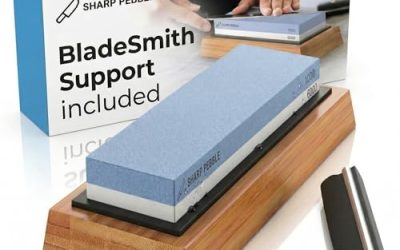
Touch up the edge often with a ceramic rod or a fine stone, and avoid cutting on glass, tile, or other hard surfaces that roll an edge. Dry the blade after wet work, especially with D2 steel, and keep the pivot clean so the opening stays smooth. A few minutes of care after use beats a long sharpening session later.
More from Amazon
Programs that pair well with the guide above. Offers and eligibility are set by Amazon and may change.
Set up recurring deliveries of everyday items on eligible products. Terms and savings are set by Amazon.
Explore Subscribe & SaveCollect the home and kitchen items you want in one registry that guests can shop from.
Create a wedding registryFree shipping on eligible items, Prime Video and more. Eligible new members can start with a free trial.
Start a Prime free trialAudiobooks and podcasts to listen to on the go. Eligible new members can start with a free trial.
Try Audible freeAs an Amazon Associate we earn from qualifying purchases.
Write Your Review
No reviews yet. Be the first to share your experience!