
Our Short List of 3

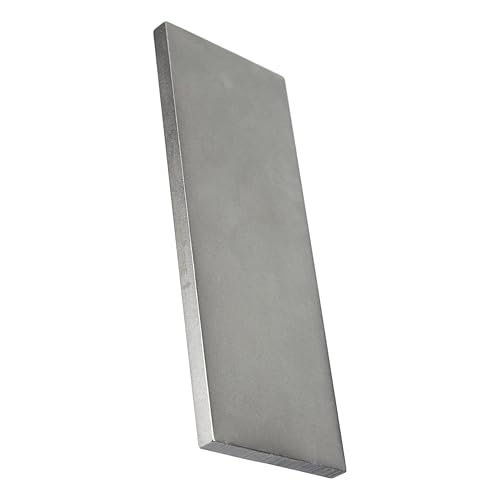
- Best for: Repairing chipped, damaged, or very dull kitchen knives and flattening water stones.
- Coarse diamond surface, 45 micron / 325 mesh
- Continuous diamond surface on a steel base
- 8 x 3 x 0.38 inches
- Micronized monocrystalline diamond
- Best for: Routine sharpening of kitchen knives that are dull from normal use but not chipped or damaged.
- Fine diamond surface, 25 micron / 600 mesh
- Continuous diamond surface on a steel base
- 8 x 3 x 0.38 inches
- Micronized monocrystalline diamond

- Best for: A first diamond stone that handles both edge repair and final honing, especially for cooks learning freehand sharpening.
- Dual grit: coarse 325 grit / extra fine 1200 grit
- Monocrystalline diamond electroplated on a stainless steel base
- 8 x 3 inches
- Coarse side listed as 45 micron, extra fine side listed as 12 micron
All 3 Picks at a Glance
| Product | Specs | Action |
|---|---|---|
| DMT D8C Dia-Sharp Bench Stone, Coarse |
| Check price on Amazon |
| DMT D8F Dia-Sharp Bench Stone, Fine |
| Check price on Amazon |
| SHARPAL 162N Double-Sided Diamond Sharpening Stone |
| Check price on Amazon |
Key takeaways
- Diamond grit decides how fast a knife sharpens and how fine the edge finishes. Compare coarse 325, fine 600 and dual-grit 1200 plates to pick the right grit.
Diamond grit is the number that decides what a sharpening stone can actually do to a blade. A coarse diamond grit removes metal fast enough to repair chips and reset a bevel, a medium grit restores a dull edge to working sharpness, and a fine grit polishes that edge into a smooth, keen finish. Pick the wrong grit and the work either takes far too long or never reaches the result you want.
This guide compares three diamond plates that cover the full grit range a home cook needs, from a coarse 325 plate for damaged edges through a fine 600 plate for routine sharpening to a dual-grit plate that pairs coarse repair with extra fine honing. Each product below states its grit in mesh and micron figures from its Amazon listing, so you can match the stone to the condition of your knives.
Quick Picks
As an Amazon Associate we earn from qualifying purchases.
| Product | Best for | Key spec from title |
|---|---|---|
| DMT D8C Dia-Sharp Bench Stone, Coarse | Repairing chipped and very dull edges | Coarse 325 grit, 8 x 3 x 0.38 inches |
| DMT D8F Dia-Sharp Bench Stone, Fine | Routine sharpening of kitchen knives | Fine 600 grit, 8 x 3 x 0.38 inches |
| SHARPAL 162N Double-Sided Diamond Sharpening Stone | One plate for repair and honing | Coarse 325 / Extra Fine 1200 grit, 8 x 3 inches |
How to Choose
Match the Grit to the Condition of the Edge
Grit decides what a stone can do, so look at your knives first rather than the shelf. Coarse diamond around 325 mesh removes metal quickly and suits chipped, damaged, or very dull blades that have lost their bevel. A fine grit around 600 mesh is the workhorse for routine sharpening, restoring an edge that has gone dull through normal kitchen use. Extra fine grit around 1200 mesh refines and polishes an edge that is already sharp. Most home cooks need the medium step first, because a fine stone alone cannot repair a neglected blade.
Read Mesh and Micron Figures Together
Diamond grit is usually quoted in mesh, and makers also publish a micron figure, which is the reliable way to compare brands. Coarse 325 mesh equals 45 micron, fine 600 mesh equals 25 micron, and extra fine 1200 mesh equals 9 micron on the DMT scale. Other makers can list slightly different micron figures for the same mesh number, so check both figures on the listing before you buy. A plate that only gives a vague label such as coarse or fine, with no mesh or micron number, leaves you guessing about what it will actually do.
Choose a Continuous Surface for Kitchen Knives
A continuous diamond plate has a solid sheet of diamond-coated surface with no gaps, so a thin blade tip cannot catch on anything during a stroke. Interrupted or polka-dot surfaces clear swarf well and suit workshop tools, but a continuous face gives smoother, more even strokes on kitchen knives. All three plates in this guide use a continuous or fully coated surface. Size matters too: an 8 inch plate gives enough stroke length for a full chef knife edge in one pass, while a shorter plate forces choppy, uneven strokes.
Plan for Dry Use, Water, and a Flat Plate
Diamond plates sharpen dry or with a splash of water, and they never need soaking or flattening the way water stones do. That makes them a practical choice for a cook who sharpens in short sessions and wants no setup or cleanup routine. A flat plate also stays flat for years, so the same stone that sharpens your knives can flatten a dished water stone if you keep one. Look for non-skid feet or a base that holds the plate steady, because a stone that slides across the counter makes holding a steady angle far harder.
The 3 Best Options
DMT D8C Dia-Sharp Bench Stone, Coarse
- Best for: Repairing chipped, damaged, or very dull kitchen knives and flattening water stones.
- Coarse diamond surface, 45 micron / 325 mesh
- Continuous diamond surface on a steel base
- 8 x 3 x 0.38 inches
- Micronized monocrystalline diamond
Repairing chipped, damaged, or very dull kitchen knives and flattening water stones.
The coarse surface leaves a rough edge that needs a finer grit to finish, so this plate alone does not produce a polished cutting edge.
The DMT D8C is the coarse grit plate to reach for when a knife has real damage. Its continuous 325 mesh diamond surface cuts aggressively enough to grind out small chips, reset a bevel that has gone blunt, and bring a neglected blade back to a shape worth sharpening. The 8 by 3 inch face gives a full chef knife room for long, even strokes, and the plate stays dead flat, so it also flattens water stones that have dished with use.
Watch out for: The coarse surface leaves a rough edge that needs a finer grit to finish, so this plate alone does not produce a polished cutting edge.
DMT D8F Dia-Sharp Bench Stone, Fine
- Best for: Routine sharpening of kitchen knives that are dull from normal use but not chipped or damaged.
- Fine diamond surface, 25 micron / 600 mesh
- Continuous diamond surface on a steel base
- 8 x 3 x 0.38 inches
- Micronized monocrystalline diamond
Routine sharpening of kitchen knives that are dull from normal use but not chipped or damaged.
Fine grit alone cannot repair a chipped edge or reset a badly worn bevel, so pair it with a coarser plate when a knife is truly neglected.
The DMT D8F is the fine grit plate a kitchen knife actually lives at. Its continuous 600 mesh diamond surface removes just enough metal to restore a dull edge without grinding away the blade, and the finish it leaves is keen enough for everyday slicing, dicing, and trimming. The same 8 by 3 inch footprint as the coarse model keeps strokes long and steady, and the plate needs no soaking, so a quick sharpening session takes minutes from drawer to done.
Watch out for: Fine grit alone cannot repair a chipped edge or reset a badly worn bevel, so pair it with a coarser plate when a knife is truly neglected.
SHARPAL 162N Double-Sided Diamond Sharpening Stone
- Best for: A first diamond stone that handles both edge repair and final honing, especially for cooks learning freehand sharpening.
- Dual grit: coarse 325 grit / extra fine 1200 grit
- Monocrystalline diamond electroplated on a stainless steel base
- 8 x 3 inches
- Coarse side listed as 45 micron, extra fine side listed as 12 micron
A first diamond stone that handles both edge repair and final honing, especially for cooks learning freehand sharpening.
The extra fine side is listed at 12 micron rather than the 9 micron DMT quotes for 1200 mesh, so compare micron figures rather than mesh numbers alone when judging fineness.
The SHARPAL 162N covers two grits on one plate, which makes it the simplest way to own a full diamond progression. One side is coarse 325 grit for setting an edge and repairing damage, and the other side is extra fine 1200 grit for honing that edge to a smooth finish. The plate sits in a storage case whose lid doubles as a non-slip base, and an included angle guide helps hold a steady sharpening angle, which is the single hardest part of freehand sharpening for a beginner.
Watch out for: The extra fine side is listed at 12 micron rather than the 9 micron DMT quotes for 1200 mesh, so compare micron figures rather than mesh numbers alone when judging fineness.
Which One Fits Your Situation
Your Knives Are Chipped or Have Not Been Sharpened in Years
Reach for the DMT D8C coarse plate. A fine stone would take far too long to grind out chips or rebuild a bevel, and the coarse 325 grit does that heavy work in a reasonable session. Finish the edge on a finer grit afterwards, or add a fine plate later once the bevels are sound again.
You Sharpen Regularly and Want One Dependable Plate
Choose the DMT D8F fine plate. At 600 mesh it is the working grit for most kitchen sharpening, restoring a dull edge to a keen, usable finish without removing more metal than needed. It suits a cook who touches up knives often at home and keeps them in generally good condition.
You Want Repair and Honing in a Single Purchase
Pick the SHARPAL 162N dual-grit plate. The coarse side handles dull and damaged edges while the extra fine side hones them smooth, so one plate covers the whole job. The included angle guide and non-slip case base also make it the friendliest choice for someone sharpening freehand for the first time.
You Already Own Water Stones and Need a Flattening Tool
Buy the DMT D8C coarse plate first. Diamond plates never dish out, so a coarse plate doubles as a flattening stone for water stones that have gone hollow with use over time. It keeps your existing stones true while also serving as the repair grit for your most neglected kitchen knives.
Common Mistakes
- Buying the finest grit first: a 1200 grit plate polishes an edge that is already sharp, but it cannot repair a chipped or badly dulled blade.
- Judging grit by mesh number alone: different makers quote different micron figures for the same mesh, so read both numbers on the listing.
- Pressing hard on a diamond plate: heavy pressure wears the diamond coating and gives a worse edge than light, steady strokes.
- Skipping the angle: an unsteady angle produces a rounded, weak edge no matter which grit you use, so a guide helps while you learn.
- Sharpening a knife that only needs honing: a knife with a rolled edge often needs a steel or a fine grit pass, not a coarse stone that removes metal needlessly.
Frequently Asked Questions
What diamond grit should I choose first for kitchen knives?
Choose a fine grit around 600 mesh if your knives are dull from normal use, since that is the working grit for routine sharpening. Add a coarse 325 grit plate only when knives are chipped, damaged, or have gone unsharpened for a long time. A dual-grit plate that pairs coarse and extra fine covers both steps in one purchase.
Is a higher diamond grit always better for a kitchen knife?
No, higher grit is finer, not better in every case. A coarse grit repairs and reshapes, a medium grit sharpens, and a fine grit polishes. Each step has a job, and skipping the coarse step on a damaged blade wastes time, while using a coarse plate on a knife that only needs a touch-up removes metal for no reason.
Can I use a diamond sharpening stone dry?
Yes, diamond plates are designed to sharpen dry or with a splash of water, and they never need soaking the way water stones do. A little water helps carry swarf away from the surface and keeps strokes smooth. Wipe the plate clean after use so metal particles do not build up on the diamond surface.
How do I choose between a single-grit and a dual-grit diamond plate?
A single-grit plate gives one continuous surface at a known grit, which suits a cook who already owns part of a progression or sharpens often. A dual-grit plate covers two steps in one purchase and suits a first stone or a small kit. Compare the mesh and micron figures on both sides before deciding.
More from Amazon
Programs that pair well with the guide above. Offers and eligibility are set by Amazon and may change.
Set up recurring deliveries of everyday items on eligible products. Terms and savings are set by Amazon.
Explore Subscribe & SaveCollect the home and kitchen items you want in one registry that guests can shop from.
Create a wedding registryFree shipping on eligible items, Prime Video and more. Eligible new members can start with a free trial.
Start a Prime free trialAudiobooks and podcasts to listen to on the go. Eligible new members can start with a free trial.
Try Audible freeAs an Amazon Associate we earn from qualifying purchases.
Write Your Review
No reviews yet. Be the first to share your experience!