

The best baking steel for sourdough bread is usually a 1/4-inch-thick, 14-by-16-inch or similarly sized carbon-steel plate: it stores enough heat for strong oven spring and a crisp bottom without being as slow, heavy, or difficult to fit as a 3/8-inch model.
For most home bakers, the Baking Steel Original is a strong all-purpose choice, while a thicker 3/8-inch steel makes sense for frequent sourdough baking in an oven with sturdy racks and generous clearance. A thin 1/8-inch steel costs less and heats faster, but it gives up some heat retention when a cold loaf is loaded.
Our top picks
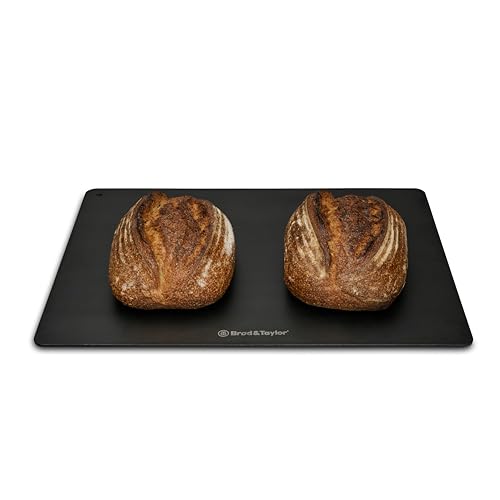 Brod & Taylor Bread Steel Duo
- Bread Steel Duo gives you enough room to…
- FAST, EVEN HEAT
- Bread Steel Duo arrives pre-seasoned with flax oil,…
 Brod & Taylor Bread Steel Original for
- The Bread Steel helps you achieve bakery-quality bread…
- At only 0.1" (Original) and 0.15" thick (Max),…
- Unlike 1/4" steels weighing 15-20 pounds, this Bread…
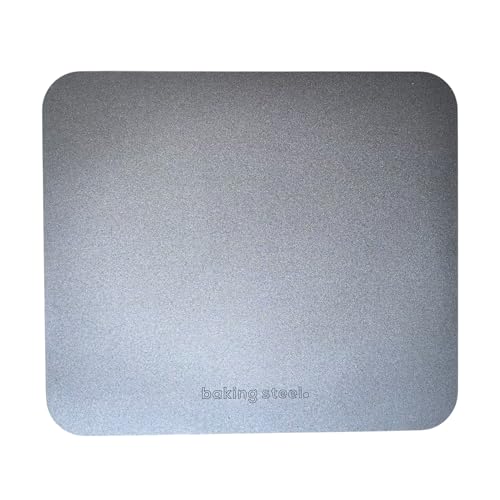 Baking Steel Original 14x16
- THE ORIGINAL BAKING STEEL, INVENTED IN 2012: Founder…
- Thin, crispy pizza in about 8 minutes at…
- SEASONED, READY TO COOK: Yours arrives seasoned and…
| Product | Key specs | |
|---|---|---|
| Brod & Taylor Bread Steel Duo | Bread Steel Duo gives you enough room to… FAST, EVEN HEAT Bread Steel Duo arrives pre-seasoned with flax oil,… | Check price |
| Brod & Taylor Bread Steel Original for | The Bread Steel helps you achieve bakery-quality bread… At only 0.1" (Original) and 0.15" thick (Max),… Unlike 1/4" steels weighing 15-20 pounds, this Bread… | Check price |
| Baking Steel Original 14x16 | THE ORIGINAL BAKING STEEL, INVENTED IN 2012: Founder… Thin, crispy pizza in about 8 minutes at… SEASONED, READY TO COOK: Yours arrives seasoned and… | Check price |
 Pavsrmy Baguette Bread Pan Pavsrmy Baguette Bread Pan | 【CRISPY GOLDEN-BROWN BAGUETTES EVERY TIME】Bake up to 4… 【FOOD-GRADE NON-STICK COATING】Pavsrmy 4-wave french bread baking pan… 【BAKE TO PERFECTION】Professional perforation holes on the bottom… | Check price |
As an Amazon Associate we earn from qualifying purchases at no extra cost to you.
What matters most when choosing a sourdough baking steel
A baking steel is a heat-storage plate made from food-safe steel, commonly mild or carbon steel. Preheated on a rack, it transfers heat directly into the dough’s base. That rapid energy transfer can help the loaf expand before the crust sets, while producing a more deeply browned, crisp underside.
- Thickness: Thicker steel holds more heat but takes longer to preheat and is substantially heavier.
- Surface area: The plate must fit between the oven walls and leave room for airflow and steam circulation.
- Weight: A heavy plate is stable and heat-dense, but it can stress a rack or become awkward to move while hot.
- Finish and material: Bare carbon or mild steel is durable, but it needs drying and occasional oiling to limit rust.
- Cleaning: Steel should not be treated like a dishwasher-safe baking sheet. Water left on the surface is the main enemy.
Thickness compared: 1/8, 1/4, and 3/8 inch
Thickness changes both the steel’s heat capacity and its practical behavior. Holding material constant, a 3/8-inch plate has three times the volume of a 1/8-inch plate at the same length and width. It therefore stores much more heat, although actual performance also depends on preheat temperature, oven cycling, plate material, and whether the dough is loaded cold.
| Steel thickness | Typical weight at 16 × 14 in | Approximate preheat time at 475°F | Best use | Main compromise |
|---|---|---|---|---|
| 1/8 in | About 18–22 lb | 30–45 minutes | Occasional baking, lighter ovens, tighter budgets | Recovers heat less strongly after loading |
| 1/4 in | About 35–40 lb | 45–60 minutes | Most sourdough bakers and general home ovens | Heavy, but manageable for permanent oven use |
| 3/8 in | About 52–60 lb | 60–90 minutes | Frequent baking, two loaves, maximum heat recovery | Very heavy and slow to heat |
These figures are planning estimates rather than universal specifications. Steel density, corner shape, exact dimensions, and manufacturing tolerances affect weight. A thicker plate is not automatically better: if it prevents the oven rack from moving safely or takes too long to preheat, its extra thermal mass may be more inconvenient than useful.
Best baking steel choices by baking situation
Best overall: 1/4-inch rectangular steel
A 1/4-inch plate is the most balanced choice for one or two sourdough loaves. It provides a meaningful heat reserve without requiring a commercial-strength oven rack. A 14-by-16-inch format generally gives enough room for a Dutch-oven base, a baking tray, or two smaller loaves, depending on the oven’s interior dimensions.
The Baking Steel Original fits this category and is also useful for pizza and flatbreads. Choose it when you bake weekly, want stronger bottom browning than a baking stone usually provides, and prefer one plate that can stay on an oven rack.
Best for maximum heat recovery: 3/8-inch steel
A 3/8-inch plate is aimed at bakers who use the oven often and value recovery after loading a cold dough. It is particularly useful when baking multiple loaves in succession, because a thin plate can lose more surface temperature after the first loaf goes in.
Before buying one, check the rack’s load rating and the plate’s path through the oven door. A plate weighing around 55 pounds can be difficult to remove safely, especially when it is hot. For a single loaf every weekend, the improvement over 1/4 inch may not justify the extra preheat time.
Best for occasional use or limited rack capacity: 1/8-inch steel
A 1/8-inch steel is easier to handle and typically reaches baking temperature sooner. It can still improve base browning, but it behaves more like a fast-heating baking surface than a large thermal battery. It is a sensible option for renters, small ovens, or bakers who store the plate between uses.
To get the most from a thin steel, allow the oven and plate to stabilize fully, bake one loaf at a time, and avoid opening the door repeatedly during the first part of the bake.
Decision matrix: which steel fits your kitchen?
| Your situation | Recommended specification | Why it fits |
|---|---|---|
| Budget-conscious or occasional baker | 1/8 in, roughly 14 × 16 in | Lower material cost and easier storage |
| Weekly sourdough baker | 1/4 in, roughly 14 × 16 in | Good balance of rise, crust, heat retention, and weight |
| Two loaves or repeated batches | 3/8 in, 16 × 14 in or larger if it fits | Better recovery between loads |
| Small oven or narrow rack | 1/8 or 1/4 in, measured to leave 1 in per side | Allows airflow and avoids scraping the oven walls |
| Pizza and bread in the same oven | 1/4 in rectangular steel | Versatile size and strong browning for both uses |
How to size a baking steel correctly
Measure the oven rack, not just the oven’s outside width. Record the rack’s usable width and depth with the door closed. Subtract at least 2 inches from each measurement where possible, leaving approximately 1 inch of clearance on every side. This helps hot air circulate and makes the plate easier to slide into position.
For example, if the usable rack area is 18 inches wide by 17 inches deep, a 16-by-14-inch plate leaves 1 inch of side clearance and 1.5 inches front-to-back. It should fit comfortably, but confirm that the oven door closes without touching the steel. Also check the height between racks if you bake inside a covered Dutch oven.
Setup for better oven spring and crust
- Place the steel on a lower-middle rack. This gives the loaf strong bottom heat while leaving room above for expansion. If the underside browns too quickly, move the steel one rack higher.
- Preheat thoroughly. Set the oven to about 475°F and allow the plate to heat for at least 45 minutes for 1/4 inch, or longer for 3/8 inch. The oven’s beep signals air temperature, not necessarily the steel’s core temperature.
- Use steam carefully. A covered Dutch oven supplies steam without putting water directly on the steel. For open baking, use a steam method approved for your oven; pouring water onto a hot steel plate can cause violent splashing and thermal shock to nearby cookware.
- Load quickly. A chilled, scored loaf can be transferred with parchment or a peel. Minimize the time the door is open so the oven and steel lose less heat.
- Finish with dry heat. Remove the lid or vent steam during the latter part of baking so the crust dries and becomes crisp.
Steel improves heat transfer, but it cannot compensate for under-fermented dough, weak shaping, or a loaf that has spread before loading. If the crust is dark while the crumb remains gummy, reduce the steel’s position or oven temperature slightly and extend the bake rather than assuming a thicker plate is needed.
Cleaning, seasoning, and long-term ownership
Most baking steels arrive with a protective oil coating. Follow the manufacturer’s preparation instructions before first use. After baking, let the plate cool, scrape away stuck flour or dough, and wipe it clean with a lightly damp cloth. Dry it immediately and apply an extremely thin film of neutral cooking oil if the surface looks dry.
- Do not soak the steel or place it in a dishwasher.
- Do not use acidic cleaners routinely; prolonged exposure can encourage discoloration and corrosion.
- Do not move a 35–60 pound plate with wet or slippery oven mitts.
- Do not put a cold, wet steel into a hot oven, or pour cold liquid onto the hot surface.
- Expect darkening and patchy seasoning; color changes are normal and do not mean the plate is failing.
Rust spots are usually a maintenance issue rather than a reason to discard the steel. Remove light rust with a suitable abrasive pad, wash briefly, dry over low heat, and re-oil according to the maker’s care guidance. The surface may never look perfectly uniform again, but a well-dried steel can remain useful for many years.
Final verdict
For the majority of home sourdough bakers, buy a 1/4-inch baking steel that fits your rack with about an inch of clearance per side. It is the most practical combination of heat retention, oven spring support, crisp crust, and manageable weight. Choose 3/8 inch only when you bake frequently or in batches and can safely accommodate its mass. Choose 1/8 inch when fast warm-up, lower cost, and easy storage matter more than maximum heat recovery.








Write Your Review
No reviews yet. Be the first to share your experience!