
Key takeaways
- Ozark Trail knives are Walmart's budget outdoor blades. This guide covers the folding, fixed, fillet and multitool models so you can choose the right one.
Ozark Trail is Walmart’s outdoor house brand, and its knives have become hard to ignore. The lineup covers folding pocket knives, fixed blades, fillet knives and multitools, usually at prices far below the established knife brands. The real decision is not which Ozark Trail knife is best in some absolute sense. It is which type matches the work you actually do, because a folding knife that rides comfortably in a pocket is a poor fillet knife, and a fixed blade built for camp chores is a poor everyday carry choice.
This guide is for campers, anglers and everyday carry users who want a cheap, usable blade without paying for a premium name. It walks through the main Ozark Trail knife types, the steels they use, the locks and handles that decide daily comfort, and the availability quirks that catch buyers out. Model details come from retailer listings and knife publications, and where listings disagree the guide says so rather than picking a side.
As an Amazon Associate we earn from qualifying purchases.
How to Choose
Start With the Job, Not the Name
Ozark Trail reuses similar names across years and changes details without changing the box, so the model name alone tells you less than the knife type. Sort the job into one of four buckets first. A folding pocket knife suits everyday tasks, opening boxes and cutting cord, and it disappears into a pocket when closed. A fixed blade suits camp chores and heavier cutting, because there is no pivot to loosen and no lock to fail. A fillet knife suits cleaning fish, with a thin flexible blade that follows bones instead of fighting them. A multitool suits a glove box or emergency kit. Once the bucket is clear, compare only knives inside it.
Blade Steel Sets the Maintenance Bar
Steel is where Ozark Trail’s budget pricing shows up most clearly, and it decides how much care the knife needs after use. The headline folding knife uses D2 tool steel, which holds an edge well. D2 is not stainless, so it needs drying after wet work and takes more effort to sharpen than a soft stainless blade. The 14C28N tanto folder uses a stainless steel that resists corrosion better and sharpens more easily. The Eagle Rock fixed blade uses 3Cr stainless, a softer steel that needs touching up more often. If you will dry and oil the blade, D2 rewards you; if the knife will live in a tackle box or truck, a stainless blade forgives neglect.
Lock, Handle and Carry Decide Daily Use
A knife that is awkward to open, hold or carry stays at home, so mechanism and handle matter as much as blade. Ozark Trail folders use several locks: the D2 folder uses a slide lock that opens with thumb studs, the Shadow tanto uses a liner lock, the small pocket knife a frame lock, and the stag-handled folder a lock-back. None is objectively best; the question is whether you can open and close it one-handed, with cold or wet hands. Handles range from textured G10 to smooth plastic and stag-pattern finishes; G10 grips best when wet, while smooth plastic is lighter but can slip. Check the sheath first: owners have criticised some plastic sheaths for loose retention.
Check Availability Before You Settle
Ozark Trail is a Walmart brand first, which shapes where you can buy one. Walmart stores and its website carry the current lineup, while Amazon listings come from third-party sellers reselling Walmart stock. That has three consequences. First, availability is inconsistent: popular models such as the D2 folder have sold out more than once, and restocks are unpredictable. Second, the same name can hide different versions, as colours, steels and locks have changed across production runs. Third, a listing can disappear without warning. Before ordering, confirm the exact model, steel, colour and lock on the listing, and that the seller has stock. If your version is out of stock, waiting for a restock beats a lookalike with a different steel.
Which One Fits Your Situation
Camp Cooking and General Camp Chores
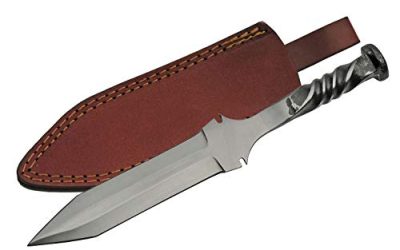
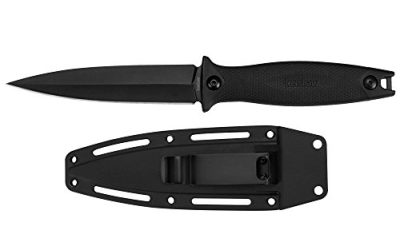
Pick a fixed blade for camp cooking and heavier camp work. The Forge fixed blade and the Eagle Rock tanto are both compact fixed blades with sheaths, and a fixed blade gives you a solid grip that will not fold on your fingers while you cut food, trim cord or shape kindling. Keep a folding knife as a second blade for small tasks, but do the main cutting with the fixed blade and keep it sheathed when not in use.
Fishing Trips and Cleaning the Catch
Pick a fillet or bait knife for fishing, not a general pocket knife. The 6-inch fillet knife has a flexible stainless blade and a grippy handle that follows the backbone of a fish, and the 4-inch bait knife suits cutting bait at the water. For a big catch, the corded electric fillet knife with two serrated blades makes fast work of filleting. Rinse and dry them after use; even stainless lasts longer when not left wet.
A Pocket Knife for Everyday Tasks
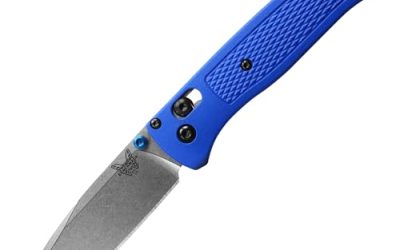
Pick a folding knife for everyday carry. The D2 folding knife is the strongest choice here, with a blade of about 3.25 inches, a solid slide lock and a pocket clip that keeps it reachable. The smaller 7.6-inch pocket knife with its 3.1-inch semi-serrated stainless blade is a lighter, cheaper alternative for packages and cord. Choose the D2 version for edge retention if you do not mind drying the blade; choose the stainless pocket knife for the lowest maintenance.
A Kit Piece for Emergencies and the Car
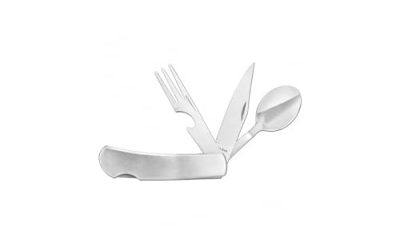
Pick a multitool for a glove box, emergency kit or tackle box. The 12-in-1 multitool packs pliers, cutters, a knife, screwdrivers and openers into one tool with a sheath, which covers far more situations than a single blade. The 7-in-1 multitool knife is smaller and lighter, combining a folding knife with screwdrivers, a bottle opener and a glass breaker. Remember the 12-in-1 blade snaps into place but does not lock, so use it for light cutting only.
Common Mistakes
- Choosing a tanto blade for food preparation or filleting. The reinforced tip is strong, but the straight edge and secondary point make slicing and skinning awkward compared with a drop point or a flexible fillet blade.
- Treating D2 steel as stainless. D2 holds an edge well, but it can corrode if it is left wet or dirty, so dry the blade after use and oil it occasionally.
- Trusting the product description that mentions a light on the 7-in-1 multitool knife. That is a listing error; the tool has no light, so do not count on it for after-dark work.
- Assuming the knife blade in the 12-in-1 multitool locks open. It snaps into place but does not lock, so heavy pressure can fold it back.
- Ordering from a third-party Amazon listing without checking the exact version. Ozark Trail has changed steels, handle colours and locks under the same model names, so confirm the blade steel and lock type on the listing before you buy.
Frequently Asked Questions
Are Ozark Trail knives sold on Amazon?
Ozark Trail is Walmart’s house brand, so Walmart stores and Walmart’s website are the main source. Amazon listings for Ozark Trail knives come from third-party sellers who resell Walmart stock, not from the brand itself. That means availability and seller details change often, so confirm the exact model, blade steel and stock status on the listing before ordering, and expect popular models to sell out.
Is D2 steel a good choice for a budget knife?
D2 is a strong choice for edge retention, staying sharp far longer than the soft stainless steels in the cheapest Ozark Trail knives. The trade-off is maintenance: D2 is not stainless, so it needs drying after wet work and occasional oiling, and it takes more effort to sharpen. If you will look after the blade, D2 is worth it; in a damp tackle box, a stainless blade is more forgiving.
Which Ozark Trail knife is best for fishing?
A fillet or bait knife is the right tool for fishing. The 6-inch fillet knife has a flexible stainless blade that follows fish bones, and the 4-inch bait knife suits bait preparation. For cleaning a large catch quickly, the corded electric fillet knife with two serrated blades is the faster option. A general pocket knife can open packages at the lake, but its stiff blade makes a poor fillet knife.
Do Ozark Trail knives come with a sheath?
Fixed blade models include a sheath, and the multitools include a sheath or pouch, while folding knives usually rely on a pocket clip instead. The collector knife sets include a tin box rather than a sheath. Sheath quality varies, and owners have criticised the plastic sheaths on some fixed blades for loose retention, so check that the knife sits securely in its sheath before carrying it on a belt.
More from Amazon
Programs that pair well with the guide above. Offers and eligibility are set by Amazon and may change.
Set up recurring deliveries of everyday items on eligible products. Terms and savings are set by Amazon.
Explore Subscribe & SaveCollect the home and kitchen items you want in one registry that guests can shop from.
Create a wedding registryFree shipping on eligible items, Prime Video and more. Eligible new members can start with a free trial.
Start a Prime free trialAudiobooks and podcasts to listen to on the go. Eligible new members can start with a free trial.
Try Audible freeAs an Amazon Associate we earn from qualifying purchases.
Write Your Review
No reviews yet. Be the first to share your experience!