
Our Short List of 3

- Best for: A home gardener who picks vegetables and herbs daily and wants a small, rust-resistant knife that is easy to find in the bed.
- 3.25-inch stainless steel blade
- Orange ergonomic handle
- Single knife
- Straight edge for clean cuts

- Best for: A gardener who wants a light folding knife for harvesting, cutting twine and everyday garden jobs.
- 3.28-inch carbon steel blade
- Beechwood handle
- Virobloc locking ring
- Folding design

- Best for: A gardener who wants one digging and cutting tool for roots, bulbs, weeding and harvesting in the same bed.
- 7.25-inch stainless steel blade
- Straight edge and serrated edge
- Inch markings for planting depth
- Wooden handle
All 3 Picks at a Glance
| Product | Specs | Action |
|---|---|---|
| Zenport K103 Harvest Utility Knife |
| Check price on Amazon |
| Opinel No.08 Carbon |
| Check price on Amazon |
| Nisaku NJP650 Hori Hori |
| Check price on Amazon |
Key takeaways
- Find the best harvest knife for cutting vegetables, herbs and garden crops. Compare four harvest and sickle knives with blade sizes, steel types and handles.
A harvest knife is the tool that turns a garden bed into a basket of vegetables, and the wrong one makes every cut a chore. A blade that is too long is clumsy among lettuce leaves, a blade that is too short cannot reach through thick stems, and a dull edge crushes soft produce instead of slicing it cleanly. The right knife matches the crop: a short straight blade for herbs and greens, a curved serrated edge for tough stalks, and a digging blade for roots and bulbs.
This guide is for home gardeners who grow their own vegetables, smallholders who harvest daily through the season, and cooks who want garden produce cut cleanly at the stem. The four knives below were chosen from the names and specifications on their Amazon pages, and each one suits a different harvesting job, so you can compare them on blade shape, steel and handle rather than on looks alone.
Quick Picks
As an Amazon Associate we earn from qualifying purchases
| Product | Best for | Key spec from title |
|---|---|---|
| Zenport K103 Harvest Utility Knife | Quick cuts on vegetables and herbs | 3.25-inch stainless steel blade |
| Zenport K202 Hand Sickle | Tough stalks and thick stems | 6.5-inch curved serrated blade |
| Opinel No.08 Carbon | A classic pocket knife for the garden | 3.28-inch carbon steel blade |
| Nisaku NJP650 Hori Hori | Digging, weeding and cutting roots | 7.25-inch stainless steel blade |
How to Choose
Match the blade shape to the crop
A short straight blade slices cleanly through lettuce, herbs and soft stems without bruising the plant, while a curved serrated blade saws through tough stalks such as corn, sunflowers and brassicas. A hori hori blade combines a straight edge and a serrated edge in one tool, so it cuts roots, divides perennials and digs planting holes as well as harvesting. Think about the crops you grow most: leafy greens and herbs suit a short straight blade, while tall stalks and woody stems need serrations. One knife rarely covers every crop, so many gardeners keep two.
Check the steel and how it holds an edge
Stainless steel resists rust when the knife is left damp after washing produce, which matters for a tool that works in wet soil and rain. Carbon steel takes a sharper edge and holds it longer through a long harvest, but it needs drying and a light oiling after use or it will spot and rust. For a knife that lives in a garden trug and gets rinsed under a tap, stainless steel is the easier choice. For a knife that is dried and stored after each session, carbon steel rewards the extra care with a keener edge.
Choose a handle you can grip with wet hands
Harvest work means wet hands, muddy gloves and slippery stems, so the handle matters as much as the blade. A brightly coloured handle is easy to spot when you set the knife down among leaves, and an ergonomic shape with a good grip stops the knife twisting in a wet hand. Wooden handles feel warm and traditional but can absorb moisture if left wet, while a shaped synthetic handle stays grippy in the rain. Hold the knife in your mind with a glove on: if the handle looks too slim or too smooth, it will slip.
Think about carrying, storage and safety
A harvest knife is sharp enough to cut stems cleanly, so it needs a safe home between jobs. A sheath or a blade cover protects the edge in a trug and protects your hands when you reach for other tools, and a folding knife closes safely into a pocket. A fixed blade with no sheath needs a dedicated slot in a tool roll or a bucket. Keep the knife away from children, clean it after each session, and store it dry. A knife that is stored well stays sharp longer and is safer to use every time you pick it up.
The 4 Best Options
Zenport K103 Harvest Utility Knife
- Best for: A home gardener who picks vegetables and herbs daily and wants a small, rust-resistant knife that is easy to find in the bed.
- 3.25-inch stainless steel blade
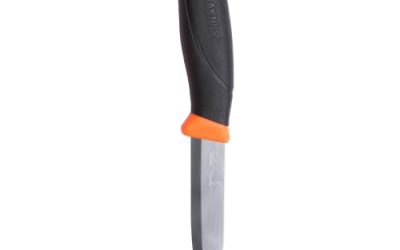
- Orange ergonomic handle
- Single knife
- Straight edge for clean cuts
A home gardener who picks vegetables and herbs daily and wants a small, rust-resistant knife that is easy to find in the bed.
The short blade cannot reach through thick stalks, so keep a serrated knife nearby for corn and brassicas.
The Zenport K103 is a compact harvest knife built for fast, clean cuts on vegetables, herbs and soft stems. Its 3.25-inch stainless steel blade is short enough to work among lettuce leaves without damaging neighbouring plants, and the bright orange handle is easy to spot when you set it down in the bed. The ergonomic grip suits long picking sessions, and the stainless blade resists rust when the knife is rinsed after use. It is a simple, light tool for the daily harvest basket, and it suits gardeners who pick little and often rather than clearing a whole bed at once.
Watch out for: The short blade cannot reach through thick stalks, so keep a serrated knife nearby for corn and brassicas.
Zenport K202 Hand Sickle
The Zenport K202 is a hand sickle for the tough end of the harvest, with a curved serrated blade that saws through thick stalks, grasses and woody stems. The 6.5-inch carbon steel blade holds a keen edge through heavy cutting, and the notched wooden handle gives a firm grip even when your hands are damp. It suits clearing spent plants at the end of the season, cutting bundles of herbs, and tackling overgrown beds that a straight blade cannot manage. The curved shape pulls the cutting edge through the stem rather than pushing against it, which takes less effort on thick material.
Specs
- 6.5-inch curved serrated carbon steel blade
- Notched wooden handle
- Curved shape for pulling cuts
- Full tang construction
Best for: Clearing thick stalks and woody stems at the end of the season, and cutting bundles of herbs and grasses.
Watch out for: Carbon steel needs drying after use, and the serrated edge is harder to sharpen than a straight blade.
Opinel No.08 Carbon
- Best for: A gardener who wants a light folding knife for harvesting, cutting twine and everyday garden jobs.
- 3.28-inch carbon steel blade
- Beechwood handle
- Virobloc locking ring
- Folding design
A gardener who wants a light folding knife for harvesting, cutting twine and everyday garden jobs.
Carbon steel spots and rusts if left damp, so dry the blade and store it dry after each use.
The Opinel No.08 is a classic folding pocket knife that gardeners have carried for generations, and the carbon steel version takes a very sharp edge for clean cuts on stems and twine. Its 3.28-inch blade closes into a beechwood handle, and the Virobloc locking ring holds the blade open while you work and locked shut in your pocket. It is light enough to carry all day and simple enough to use with one hand, and it suits a gardener who wants one small knife for harvesting, pruning twine and opening bags of compost. The carbon blade rewards drying after use with lasting sharpness.
Watch out for: Carbon steel spots and rusts if left damp, so dry the blade and store it dry after each use.
Nisaku NJP650 Hori Hori
- Best for: A gardener who wants one digging and cutting tool for roots, bulbs, weeding and harvesting in the same bed.
- 7.25-inch stainless steel blade
- Straight edge and serrated edge
- Inch markings for planting depth
- Wooden handle
A gardener who wants one digging and cutting tool for roots, bulbs, weeding and harvesting in the same bed.
The long blade is too big for delicate work among lettuce leaves, so pair it with a short harvest knife.
The Nisaku NJP650 is a Japanese hori hori knife that digs, weeds, plants and harvests with a single blade. Its 7.25-inch stainless steel blade has one straight edge and one serrated edge, with inch markings down the middle for planting depth, and the wooden handle gives a secure grip for levering roots out of the soil. It suits gardeners who want one tool for the whole bed: cutting roots, dividing perennials, planting bulbs and harvesting root crops. The stainless blade resists rust in wet soil, and the sheath keeps the edge safe in a trug between jobs.
Watch out for: The long blade is too big for delicate work among lettuce leaves, so pair it with a short harvest knife.
Which One Fits Your Situation
You pick vegetables and herbs every day
Pick the Zenport K103. Its short stainless blade slices cleanly through soft stems without bruising the plant, the bright handle is easy to find in the bed, and the rust-resistant steel handles daily rinsing. It is light enough to carry in an apron pocket all morning, and it suits the little-and-often picking that keeps a kitchen garden productive.
You clear thick stalks and woody stems
Pick the Zenport K202 Hand Sickle. The curved serrated blade saws through corn stalks, sunflowers and brassicas that a straight blade would struggle with, and the notched wooden handle holds firm with damp hands. It is the tool for end-of-season clearing and for cutting bundles of herbs and grasses in one pass.
You want one pocket knife for the garden
Pick the Opinel No.08 Carbon. It folds safely into a pocket, locks open while you work, and takes a very sharp edge for clean cuts on stems and twine. It suits a gardener who harvests, prunes twine and opens bags with the same small knife, and the beechwood handle feels good in the hand all day.
You dig, weed and harvest with one tool
Pick the Nisaku NJP650 Hori Hori. Its two edges and inch markings cover digging, planting, weeding and cutting roots, and the stainless blade stands up to wet soil. It is the best single tool for a gardener who works the whole bed with one knife and wants a sheath for safe storage.
Common Mistakes
- Using a long blade among delicate leaves, which damages neighbouring plants instead of cutting one stem.
- Choosing a carbon steel knife and leaving it wet, which leads to rust spots and a dull edge.
- Buying a knife with a smooth, slim handle that slips when your hands are wet or gloved.
- Trying to cut thick woody stalks with a short straight blade instead of a serrated sickle.
- Storing a sharp knife loose in a trug or bucket, which dulls the edge and risks a cut hand.
Frequently Asked Questions
What blade length is best for a harvest knife?
It depends on the crop. A blade of around three inches suits herbs, lettuce and soft stems, because it works between leaves without damaging the plant. A blade of six inches or more suits thick stalks and clearing work, where reach and leverage matter. Many gardeners keep both: a short knife for picking and a longer sickle for heavy jobs.
Is stainless steel or carbon steel better for a harvest knife?
Stainless steel is the easier choice for most gardeners, because it resists rust when the knife is rinsed and left damp. Carbon steel takes a sharper edge and holds it longer, but it needs drying and a light oiling after use. If you clean and dry your tools after every session, carbon steel rewards you with a keener edge.
Can a hori hori knife replace a harvest knife?
Partly. A hori hori digs, weeds, plants and cuts roots, and its serrated edge handles thick stems, so it covers many garden jobs in one tool. But its long blade is clumsy among delicate leaves, and it cannot match a short straight blade for clean, precise cuts on herbs and lettuce.
How do I keep a harvest knife sharp?
Clean the blade after each use, dry it fully, and store it in a sheath or a blade cover. Sharpen a straight edge with a whetstone or a honing rod, following the existing bevel, and touch it up often rather than waiting until it is dull. Serrated edges need a tapered rod that fits the teeth.
More from Amazon
Programs that pair well with the guide above. Offers and eligibility are set by Amazon and may change.
Set up recurring deliveries of everyday items on eligible products. Terms and savings are set by Amazon.
Explore Subscribe & SaveCollect the home and kitchen items you want in one registry that guests can shop from.
Create a wedding registryFree shipping on eligible items, Prime Video and more. Eligible new members can start with a free trial.
Start a Prime free trialAudiobooks and podcasts to listen to on the go. Eligible new members can start with a free trial.
Try Audible freeAs an Amazon Associate we earn from qualifying purchases.
Write Your Review
No reviews yet. Be the first to share your experience!