
Key takeaways
- What to use a paring knife for, explained plainly: peeling, coring, hulling, segmenting and detail work, plus when to reach for a bigger knife instead.
As an Amazon Associate we earn from qualifying purchases.
A paring knife answers a specific frustration in the kitchen: the moment a chef’s knife feels clumsy. Trying to peel a kiwi, lift the seeds from a chilli, or trim the bruised corner off a potato with a long, heavy blade is slow and wasteful, and the size of the tool works against your control. The paring knife exists for exactly those small, close jobs where your fingers are near the edge and precision matters more than power.
This guide is for home cooks who own a paring knife but rarely reach for it, cooks who use one for everything including jobs it handles badly, and anyone deciding whether the small knife in a set earns its drawer space. It walks through the jobs the blade does best, the grip that makes those jobs safe, and the tasks where a larger knife is the honest better choice.
The Jobs a Paring Knife Does Best
Peeling fruit and vegetables
Peeling is the classic paring knife job, and it splits into two styles. In-hand peeling suits round produce such as apples, pears, kiwis, and small potatoes: you hold the food in one hand and draw the short blade toward your thumb in small, controlled strokes, turning the item as you go. On the board, the same knife trims peel from ginger, butternut squash offcuts, and asparagus ends where a peeler cannot reach. The short blade removes less flesh than a long knife would, because you can follow curves closely instead of flattening each side. A swivel peeler is faster for a bag of potatoes, but the paring knife wins on irregular shapes and spot repairs.
Coring, hulling, and seeding
Removing the parts you do not eat is detail work made for a short, pointed blade. Push the tip into the top of a strawberry and circle it to lift the hull out in one cone. Quarter an apple and angle the blade to cut the core away cleanly. Halve a tomato and scoop the seed pockets, or split a chilli lengthways and scrape the seeds and membrane out with the edge. The pointed tip also cores pears, removes the eyes from a pineapple in a spiral groove, and lifts the vein from prawns. Each of these jobs needs the tip to work in a space smaller than a chef’s knife can enter.
Segmenting and trimming
A paring knife is the right tool for citrus segments: slice the peel and pith away, then slide the blade along each membrane to free clean segments without the bitter white layer. It also handles the small repairs that appear during prep. Trimming fat from a chicken breast, cutting the silver skin from a small piece of meat, removing bruised spots from fruit, and taking the root end off garlic cloves all call for short, shallow cuts. Deveining prawns, loosening a cake from the edge of a tin, and cutting the tops off soft-boiled eggs belong in the same category of brief, precise interventions.
Detail and garnish work
When presentation matters, the paring knife becomes a shaping tool. It turns mushrooms and small vegetables, cuts radishes into fans, scores the skin of a duck breast or a loaf before baking, and makes the shallow cuts that open a baked potato evenly. Pastry cooks use it to dock dough, trim overhang from a tart tin, and cut vents in pie lids. Because the blade is short, your hand sits close to the work, and that proximity is what makes fine cuts feel controlled rather than risky. None of these jobs needs force; they need an edge that goes exactly where your eyes direct it.
Small board work and portioning
Between the in-hand jobs and the garnish work sits a large middle ground of small board tasks that a paring knife handles neatly. Halving cherry tomatoes, slicing strawberries for a topping, cutting grapes for a child’s plate, portioning a banana, trimming the ends from green beans, and cutting butter into cubes for baking all suit the short blade, because each cut is small and the pieces are easy to steady. The knife also opens vacuum-sealed packs, trims twine from a roast, and cuts tape and parchment to size during baking. These unglamorous jobs are where the knife quietly earns daily use, bridging the gap between ingredient preparation and general kitchen utility without ever needing the weight or length of a full-size blade.
How to Hold and Use It Safely
The in-hand grip
For peeling and coring, hold the food in your non-dominant hand with your fingers curled under and your thumb resting on the surface, clear of the blade’s path. Hold the knife with your fingers wrapped around the handle and your thumb free to guide the food against the blade. Cut with short strokes that stop before the edge reaches your thumb, and let the thumb act as a brake and a guide rather than a target. Work slowly at first. Speed in this grip comes from repetition, and rushing it is how most paring knife nicks happen, because the blade moves toward your own hand by design.
The on-board grip
Not every paring knife job happens in the air. For trimming on a board, use a fingertip grip: pinch the blade just ahead of the handle between thumb and forefinger, with your remaining fingers wrapped around the handle. This grip puts your control point close to the edge and suits halving cherry tomatoes, slicing garlic, cutting small fruit, and portioning soft cheese. Keep the board stable, keep your guiding hand in a claw shape, and remember that a small knife still needs the same respect as a large one. The board grip is also the safer teaching grip for anyone new to the knife.
When to put it down
Knowing when not to use a paring knife protects both the blade and your hands. It also protects the food: a small blade forced through a large item tears rather than cuts, leaving ragged edges that cook unevenly and present badly. A related habit is worth building at the same time. Keep the paring knife sharp enough that it bites into a tomato skin under its own light pressure, because a dull small blade invites exactly the extra force that makes in-hand work dangerous, and a few strokes on a rod before a session of peeling or coring is usually all the maintenance the edge asks for. Anything that needs force belongs to a bigger knife: splitting a pumpkin, cutting through bone or frozen food, or working through a large pile of root vegetables will tire your hand and can twist the small blade. Melons, big cabbages, and pineapples need length. Repetitive board work, such as dicing onions for a soup, is chef’s knife territory, where the taller blade gives your knuckles clearance. Reaching for the right knife is not a rule of etiquette; it is how you keep small cuts precise and large cuts safe.
Which One Fits Your Situation
You mostly cook fruit-based breakfasts and desserts
Your paring knife will earn its place through peeling, coring, and segmenting. Apples for porridge, strawberries for yoghurt, and citrus for salads all pass through the same small set of cuts. Keep the knife sharp and within reach of the fruit bowl area of your kitchen, because these jobs appear daily and take seconds each when the blade is ready.
You prepare a lot of seafood and small proteins
Focus on the tip work: deveining prawns, trimming small fillets, and removing silver skin from scallops or chicken tenders. A pointed paring knife used on the board, with the fingertip grip, gives you the control these tasks need. Rinse and dry the blade promptly after seafood work, since salt and shell grit dull an edge faster than fruit does.
You cook vegetables in bulk for a family
Use the paring knife as the second knife, not the main one. A peeler and a chef’s knife will move a pile of potatoes and onions faster, while the paring knife handles the repairs: eyes, bruises, root ends, and the odd misshapen piece. This division of labour keeps the small blade fresh for detail work instead of dulling it on volume.
You are building knife skills as a beginner
Start with board work before in-hand peeling. Halving cherry tomatoes against a guide hand, slicing bananas, and trimming strawberries on a board teach edge control without the blade moving toward your thumb. Add in-hand peeling of apples once the basic grip feels natural, work slowly, and stop when your hand tires, because tired hands are when control slips.
Common Mistakes
- Using a paring knife for heavy jobs such as splitting squash or cutting through bone, which strains the blade and your grip.
- Peeling toward your thumb with long, fast strokes instead of short strokes that stop before the edge arrives.
- Reaching for the paring knife to dice large volumes of vegetables, leaving your knuckles without clearance from the board.
- Storing the small blade loose in a drawer, where the edge dulls against other utensils and hands find it by touch.
- Assuming a small knife is a safe knife for children or beginners without supervision and a proper grip.
Frequently Asked Questions
What is the difference between a paring knife and a chef’s knife?
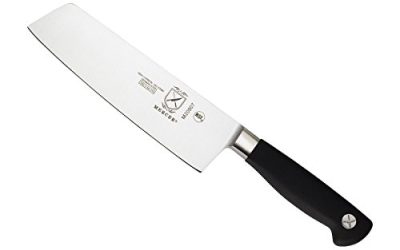
Size and role. A paring knife has a short blade, typically around three to four inches, made for peeling, coring, and detail work in the hand or on the board. A chef’s knife is far longer and heavier, built for chopping and slicing volume on a board. Most kitchens need both, because each does the other’s jobs poorly.
Can a paring knife replace a vegetable peeler?
Only partly. A paring knife handles curved, irregular, and small items better than a peeler, and it trims spots a peeler cannot reach. For a large quantity of straight vegetables such as potatoes or carrots, a peeler is faster and removes a thinner layer. Many cooks keep both and choose per task rather than declaring a winner.
What blade shape is most useful for everyday paring work?
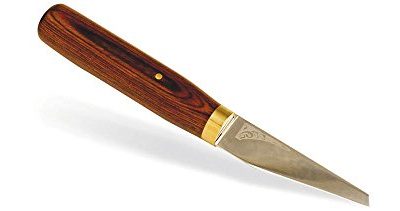
A straight-edged spear point shape covers the widest range: peeling, coring, trimming, and board work all suit it. A curved bird’s beak shape is specialised for peeling and turning round produce in the hand. If you own only one paring knife, the straight shape is the generalist; add the curved shape later only if you peel in hand often.
How should a paring knife be stored and maintained?
Store it in a block, on a magnetic strip, or in a blade guard, never loose in a drawer. Wash and dry it by hand after use, and keep the edge maintained with a honing rod or a stone suited to small blades. A sharp paring knife is safer than a dull one, because it follows your hand instead of skating off skins and rinds.
More from Amazon
Programs that pair well with the guide above. Offers and eligibility are set by Amazon and may change.
Set up recurring deliveries of everyday items on eligible products. Terms and savings are set by Amazon.
Explore Subscribe & SaveCollect the home and kitchen items you want in one registry that guests can shop from.
Create a wedding registryFree shipping on eligible items, Prime Video and more. Eligible new members can start with a free trial.
Start a Prime free trialAudiobooks and podcasts to listen to on the go. Eligible new members can start with a free trial.
Try Audible freeAs an Amazon Associate we earn from qualifying purchases.

Write Your Review
No reviews yet. Be the first to share your experience!