

Key takeaways
- Best for frequent cocktail making: powder-coated steel, stainless steel, acrylic, or sealed plastic.
- Good-looking but higher maintenance: sealed bamboo or other finished wood.
- Least suitable near a sink: unfinished wood, fabric-covered panels, and exposed particleboard.
Best Cocktail Recipe Book Stand for Your Bar
The best cocktail recipe book stand for a bar is a compact, splash-resistant stand with a 10–12-inch page ledge, a secure page holder, and at least three angle settings; for most home bars, a coated metal or sealed bamboo model is the best balance of stability, cleanability, and price.
Cocktail books create a tougher stand-selection problem than ordinary cookbooks. They are often tall, heavy, and glossy, while a bar counter has limited depth and is exposed to citrus juice, syrup, bitters, melting ice, and condensation. The right stand should keep the recipe open without forcing the book into the drink-preparation area.
Our top picks

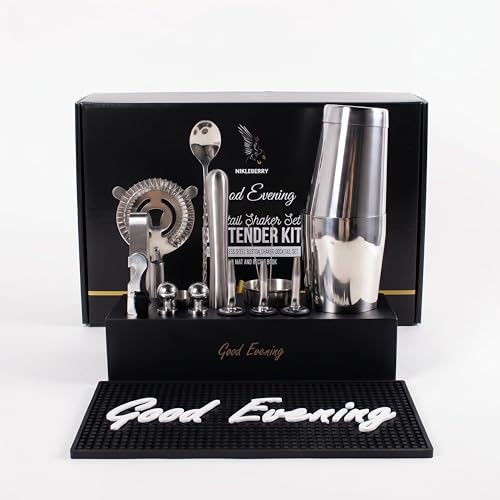
As an Amazon Associate we earn from qualifying purchases at no extra cost to you. Ratings are shown as listed on Amazon.
What to look for before buying
Footprint and counter clearance
Measure the space behind your shaker, mixing glass, and cutting board rather than measuring an empty section of counter. A stand that is 11 inches wide and 8 inches deep can occupy more working room than expected when a book is open.
For most home bars, look for a footprint no larger than approximately 10 inches wide by 8 inches deep. A fold-flat stand is particularly useful if the book is stored after each use. If the stand will remain permanently beside a drinks station, a heavier base is preferable to a lightweight folding frame.
Allow at least 2 inches of clearance behind the stand so that an open book does not touch a backsplash, wall, or appliance. This makes page turning easier and reduces the chance of splashing the lower pages.
Page-holding design
A shallow front ledge is enough for a thin booklet but can let a large cocktail book slide forward. Choose a ledge about 0.75–1.25 inches deep, with raised end stops or a continuous lip. This range generally supports both paperback and hardback books without hiding the bottom line of a recipe.
The most useful page holders are movable arms, clear retaining bars, or wide clips with rubber-covered tips. Narrow metal clips can crease pages, while small decorative pegs may not reach thick paper. If you frequently consult two-page recipes, choose a design with two independent holders rather than a single center clip.
Splash resistance
No cookbook stand is truly waterproof unless it is made as a sealed, nonporous unit. The practical goal is to prevent brief contact with liquid and make cleanup quick.
- Best for frequent cocktail making: powder-coated steel, stainless steel, acrylic, or sealed plastic.
- Good-looking but higher maintenance: sealed bamboo or other finished wood.
- Least suitable near a sink: unfinished wood, fabric-covered panels, and exposed particleboard.
Look for smooth seams and few recessed joints. Syrup and citrus pulp collect around hinges and spring clips, where they become sticky or difficult to remove. A wipeable stand is more useful than a stand marketed as water-resistant if it cannot be cleaned around its moving parts.
Adjustable viewing angles
Two or three useful angle settings are more valuable than a large number of unstable positions. A near-vertical setting works well for a narrow counter, while a 45–60-degree setting makes a deep hardback easier to read without leaning over the bar.
The hinge should resist the weight of the open book. If the stand folds under pressure when you turn a page, its angle adjustment is not sufficiently secure. A locking bar, toothed support, or wide friction hinge is usually more dependable than a smooth hinge with no positive stop.
Specification comparison
The following targets help distinguish a practical bar stand from a decorative display stand. They are useful comparison points when product descriptions use vague terms such as “large,” “sturdy,” or “adjustable.”
| Stand type | Typical footprint | Book capacity | Angle range | Typical weight | Best use |
|---|---|---|---|---|---|
| Compact folding wire stand | 8 × 6 in | Up to 1.5 in thick | 1–2 positions | 0.5–1.2 lb | Small counters and occasional use |
| Coated metal cookbook stand | 10 × 8 in | Up to 2.5 in thick | 3–5 positions | 1.5–3 lb | Regular cocktail preparation |
| Sealed bamboo stand | 11 × 8.5 in | Up to 2 in thick | 3 positions | 1.5–2.5 lb | Warm, furniture-like bar setups |
| Oversized book easel | 13 × 10 in | Up to 4 in thick | 3–6 positions | 3–6 lb | Large hardbacks and permanent display |
Best choice by bar situation
| Your situation | Recommended design | Why it fits |
|---|---|---|
| Limited counter space | Folding metal stand, 8 × 6 inches or smaller | Stores easily and leaves room for tools |
| New cocktail maker | Coated stand with a 1-inch ledge and two page holders | Forgives imprecise page placement and handles mixed book sizes |
| Several drinks every week | 1.5–3-pound metal or sealed bamboo stand | Resists sliding and repeated cleaning |
| Large reference books | Oversized easel with a 13-inch-wide support | Prevents tall or heavy books from overhanging the base |
| Bar beside a sink | Stainless steel, acrylic, or fully coated plastic | Handles splashes without absorbing moisture |
Standard versus oversized cocktail books
A standard cocktail book is commonly around 9–10 inches tall and 1–2 inches thick. Most medium cookbook stands support this format comfortably. Before buying, open the book to the center and measure the distance from the counter to the highest point of the pages. The stand must support that height without tipping backward.
Oversized cocktail books can be 11–13 inches tall, more than 2 inches thick, and substantially heavier because of coated paper and hard covers. A narrow stand may technically hold the book while still being unsafe. As a practical sizing rule, the stand’s support width should be at least 2 inches wider than the closed book, and its base depth should be at least half the book’s height.
For example, a 12-inch-tall book should ideally sit on a base at least 6 inches deep. If the book weighs 4 pounds and the stand weighs only 1 pound, choose a broad rear support and a non-slip base; otherwise, page turning can shift the center of gravity and make the assembly topple.
Ownership details that matter
What wears first
On folding stands, the hinge or angle-stop mechanism usually wears before the frame. On clip-style stands, spring tension and rubber tips are the likely failure points. A stand with replaceable silicone pads or simple mechanical hinges is easier to keep usable than one with glued decorative parts.
Wooden stands can also develop cloudy finishes or swollen edges if they are left wet. Wipe them immediately after a spill and do not leave them beside a sink where water repeatedly reaches the same joint.
Cleaning routine
- Remove the book before cleaning the stand.
- Wipe syrup, juice, and bitters with a damp cloth before they dry.
- Use a small brush or cotton swab around hinges and clips.
- Dry metal and finished wood completely, especially underneath the base.
- Clean page-holder pads separately if they become sticky.
Avoid soaking bamboo or applying abrasive powder to coated metal. Harsh scrubbing can damage the finish and create rough areas that catch paper or retain liquid.
How much should you spend?
Basic folding stands generally cost about $10–$25, dependable coated metal or sealed bamboo models about $25–$60, and large weighted easels roughly $50–$100 or more. Paying extra is most worthwhile when you need a heavy book capacity, an oversized format, or a finish that can tolerate frequent wiping.
For occasional use, a compact stand costing $20 and used twice a month for three years costs about $0.28 per use. A $50 stand used four times a week for three years costs about $0.32 per use. The cheaper item is not automatically better value if it slides, stains, or cannot hold the book you actually use.
Final verdict
For most home bars, choose a coated metal or sealed bamboo stand around 10 × 8 inches, weighing at least 1.5 pounds, with a 0.75–1.25-inch ledge, two page holders, and three or more secure angle settings. Choose stainless steel, acrylic, or coated plastic when splash exposure is high, and move up to an oversized easel when your cocktail books exceed 11 inches in height or 2.5 inches in thickness. Those specifications matter more than ornamental styling because they determine whether the recipe stays open, readable, and safely out of the spill zone.





Write Your Review
No reviews yet. Be the first to share your experience!