

Key takeaways
- 300 g peeled ripe banana, mashed (about 1¼ cups; usually 3 medium bananas)
- 100 g granulated sugar (½ cup)
- 50 g light brown sugar (¼ cup, packed)
- 80 ml neutral oil, such as canola or vegetable oil (⅓ cup)
- 2 large eggs, about 100 g without shells
- 5 ml vanilla extract (1 teaspoon)
- 220 g all-purpose flour (about 1¾ cups, spooned into the cup and leveled)
- 5 g baking soda (1 teaspoon)
- 2 g fine salt (½ teaspoon)
- 1 g ground cinnamon (½ teaspoon), optional
- 60–90 g chopped walnuts, pecans, or chocolate chips, optional
Banana Bread Recipe: Moist, Easy, and Classic
This banana bread recipe makes one moist, classic loaf in a 9-by-5-inch pan and uses 300 grams of peeled ripe banana for a reliable texture. Mix the wet and dry ingredients separately, then fold them together just until the flour disappears; check doneness with a skewer in the center, not by color alone.
It takes about 15 minutes to prepare and 55–70 minutes to bake, depending on your oven and pan. The recipe uses neutral oil for a tender crumb, with clear swaps for butter, smaller or larger bananas, and optional add-ins.
Our top picks


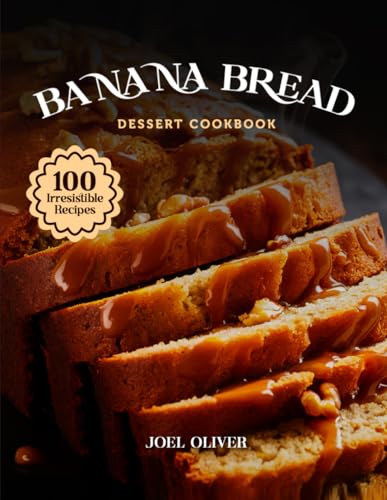
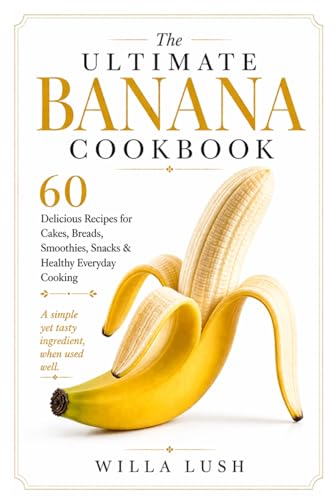
As an Amazon Associate we earn from qualifying purchases at no extra cost to you. Ratings are shown as listed on Amazon.
Classic Banana Bread Recipe
Yield: 1 loaf, about 10 slices
Pan: 9 by 5 inches (23 by 13 cm), light-colored metal preferred
Oven: 350°F (175°C)
Prep: 15 minutes
Bake: 55–70 minutes
Ingredients
- 300 g peeled ripe banana, mashed (about 1¼ cups; usually 3 medium bananas)
- 100 g granulated sugar (½ cup)
- 50 g light brown sugar (¼ cup, packed)
- 80 ml neutral oil, such as canola or vegetable oil (⅓ cup)
- 2 large eggs, about 100 g without shells
- 5 ml vanilla extract (1 teaspoon)
- 220 g all-purpose flour (about 1¾ cups, spooned into the cup and leveled)
- 5 g baking soda (1 teaspoon)
- 2 g fine salt (½ teaspoon)
- 1 g ground cinnamon (½ teaspoon), optional
- 60–90 g chopped walnuts, pecans, or chocolate chips, optional
Method
-
Prepare the pan and oven. Heat the oven to 350°F (175°C). Grease a 9-by-5-inch loaf pan and line it with a strip of parchment that hangs over the long sides. Those overhanging edges make the baked loaf easier to lift out without tearing it.
-
Measure and mash the banana. Peel the bananas, weigh out 300 g, and mash with a fork until mostly smooth, leaving a few small lumps if you like. Weighing the peeled fruit matters more than counting bananas: their sizes vary, and extra banana can make the middle gummy before the edges are done.
-
Combine the wet ingredients. In a large bowl, whisk the mashed banana with both sugars, oil, eggs, and vanilla until blended. The mixture may look slightly uneven; it does not need to be whipped.
-
Mix the dry ingredients separately. In a second bowl, whisk together the flour, baking soda, salt, and cinnamon. This distributes the baking soda through the flour and helps prevent bitter pockets in the finished bread.
-
Fold the batter together gently. Add the dry ingredients to the banana mixture and fold with a spatula just until no dry flour remains. Scrape the bottom and sides of the bowl once or twice. Stop there—even a few small lumps are preferable to prolonged mixing, which can make the loaf tough.
-
Add extras, if using. Fold in up to 90 g (¾ cup) of chopped nuts or chocolate chips. For a more even distribution, reserve a small handful to scatter over the top. Avoid loading the batter with much more than 120 g total add-ins, which can weigh down the loaf and interrupt even baking.
-
Bake and check the center. Scrape the batter into the prepared pan and level it. Bake for 55–70 minutes. Start checking at 55 minutes: insert a thin skewer into the center, away from a chocolate chip or banana lump. It should come out clean or with a few moist crumbs, not streaked with raw batter.
-
Cool before slicing. Leave the loaf in its pan for 10–15 minutes, then lift it onto a rack and cool for at least 45 minutes. The crumb continues to set as it cools; slicing while hot can make an otherwise baked loaf seem wet or crumbly.
Why banana weight, pan size, and mixing matter
Banana bread batter is forgiving, but three variables make the biggest difference: the amount of banana, how deeply the batter sits in the pan, and how much it is mixed. A scale is the most reliable way to measure fruit because banana size and moisture vary. If you do not have one, use about 1¼ cups mashed banana, then avoid adding extra fruit just to use up a whole banana.
| Variable | Recipe target | What changes if it varies |
|---|---|---|
| Peeled banana | 300 g | More can leave a damp, heavy center; less makes the loaf less banana-forward and somewhat drier. |
| Loaf pan | 9 × 5 in (23 × 13 cm) | A smaller pan makes a deeper loaf that needs longer; a larger pan makes a shorter loaf that may bake sooner. |
| Oven temperature | 350°F (175°C) | A dark pan may brown the edges faster; begin checking early and tent loosely with foil if the top darkens before the center sets. |
| Optional add-ins | 60–90 g | Large amounts can weigh down the batter and make the center slower to bake. |
| Mixing | Stop when flour disappears | Overmixing develops more gluten, which can make the crumb firm or chewy. |
Pan dimensions are usually measured across the top, and pans with the same label can differ slightly in shape and depth. If your pan is closer to 8½ by 4½ inches, fill it no more than about two-thirds full; bake any extra batter in a muffin cup rather than risking overflow. Muffin portions will cook much faster, so check them after about 18–22 minutes.
How to tell when banana bread is done
The top should be set and browned, but color alone is not a dependable test. Put a skewer into the center of the loaf: a few moist crumbs are fine, while shiny batter means it needs more time. If the top is already dark but the center is not ready, tent the loaf loosely with foil and continue baking in 5–10-minute increments.
Ovens can run hotter or cooler than their setting, and glass or dark metal pans may bake differently from light metal. If this recipe regularly takes much longer than 70 minutes in your oven, check the oven temperature with a standalone oven thermometer and confirm that the pan is the stated size.
Oil, butter, and add-in substitutions
- Use melted butter instead of oil: Substitute 80 g (about ⅓ cup) melted butter for the 80 ml oil. Let it cool until warm, not hot, before whisking it with the eggs. Butter gives a richer flavor and a slightly firmer texture, especially after the loaf cools.
- Use oil instead of butter: The recipe already uses oil for a soft crumb that stays tender after cooling. Choose a neutral oil so its flavor does not overpower the banana.
- Use another neutral oil: Canola, vegetable, or mild avocado oil can generally be used in the same volume. Strongly flavored oils will change the taste.
- Change the add-ins: Use chopped walnuts or pecans, chocolate chips, or a mix, keeping the total around 60–90 g for an easy-to-slice loaf. Dried fruit can also be used in that range; chop large pieces so they do not form dense pockets.
- Leave out the cinnamon or add-ins: Both are optional. Omitting them does not require a change to the other ingredient amounts.
Do not replace the flour with the same volume of almond or coconut flour: those flours absorb liquid differently and need a separately tested recipe. Likewise, reducing the sugar substantially can change the loaf’s moisture, browning, and structure, not just its sweetness.
Storage and common texture problems
Once completely cool, wrap the loaf or place it in an airtight container. Keep it at room temperature for up to about three days, or refrigerate it for up to a week; refrigeration can make the crumb feel firmer, so bring slices to room temperature or warm them briefly before serving. Freeze individual slices or the whole wrapped loaf for up to about three months for best quality, then thaw before eating.
- Gummy middle: The loaf may be underbaked, contain more than 300 g banana, or have been sliced while hot. Check the center with a skewer and let the loaf cool fully.
- Dense or tough crumb: Too much flour or mixing after the flour is incorporated are common causes. Weigh the flour when possible and fold only until combined.
- Sunken center: The middle may not have set before the loaf was removed, or the oven door may have been opened repeatedly early in baking. Use the skewer test and avoid moving the pan during the first 45 minutes.
- Very dark edges: A dark pan or hot oven can brown the crust early. Use a light-colored pan if available, check the oven temperature, and tent with foil if needed.
Frequently Asked Questions
How many bananas make 300 g peeled?
Usually, 300 g peeled banana is about three medium bananas, but fruit size varies considerably. Weigh the peeled bananas or measure about 1¼ cups mashed banana for the closest practical substitute.
Can I make banana bread without a scale?
Yes. Use about 1¼ cups mashed banana and 1¾ cups all-purpose flour, measuring the flour by spooning it into the cup and leveling it rather than packing it down. A scale improves consistency, especially for the banana, but careful cup measurements work.
Can I use an 8½-by-4½-inch loaf pan?
Yes, but the smaller pan will make a deeper loaf and may need additional baking time. Do not fill it more than about two-thirds full; bake excess batter separately and test the loaf’s center before removing it.
Why is my banana bread wet in the middle?
The most common reasons are underbaking, excess banana, or cutting the loaf before it has cooled. Confirm that you used 300 g peeled banana, bake until a center skewer shows no raw batter, and let the loaf cool for at least 45 minutes before slicing.
Can I freeze banana bread?
Yes. Cool it completely, wrap it tightly, and freeze the whole loaf or individual slices for up to about three months for best quality. Thaw wrapped at room temperature so condensation collects on the wrapping rather than on the bread.
Can I use bananas that are not very ripe?
Very ripe bananas are sweeter and mash more easily, so they give the loaf its characteristic flavor and texture. If yours are only lightly spotted, the bread can still bake, but it may taste less sweet and less banana-forward; do not compensate by adding extra banana beyond the recipe weight.





Write Your Review
No reviews yet. Be the first to share your experience!