

The best pan for fish depends on the cooking method: a nonstick skillet is the easiest for delicate fillets, carbon steel or cast iron gives the best crust on skin-on salmon and firm fish, and a long oval poacher suits whole fish. For most home cooks, a 12-inch nonstick pan like the OXO Good Grips Pro plus a well-seasoned carbon steel pan such as the De Buyer Mineral B covers nearly every fish dish. Matching the pan to the fish is more important than the brand name.
Our top picks


As an Amazon Associate we earn from qualifying purchases at no extra cost to you.
Quick Comparison of Fish Pans
| Pick | Best for | Key specs | Price range |
|---|---|---|---|
| OXO Good Grips Pro 12-Inch Nonstick | Delicate fillets such as sole, tilapia, cod | Hard-anodized aluminum, PFOA-free nonstick, oven-safe limit and cooktop compatibility vary by version, so check the listing | Mid |
| De Buyer Mineral B (11 or 12 in.) | Crisp skin on salmon and trout | Carbon steel, lighter than cast iron, induction compatible, needs seasoning | Mid to upper-mid |
| Lodge 12-Inch Cast Iron Skillet | Searing and blackening, budget pick | Pre-seasoned cast iron, about 8 lb, oven safe to very high heat | Budget |
| All-Clad D3 12-Inch Stainless Fry Pan | Pan sauces after fish, durable all-rounders | Tri-ply stainless, induction compatible, dishwasher safe per maker | Premium |
| Oval fish poacher (class) | Whole fish, poaching | 20 to 24 in. long, rack, lid | Mid to premium |
| Ceramic nonstick skillet (class) | Low-fat cooking, easy release | Ceramic coating, 10 to 12 in., shorter lifespan | Budget to mid |
Best for Delicate Fillets: OXO Good Grips Pro Nonstick
Thin white fish such as sole, flounder and tilapia stick and break easily. A quality nonstick pan removes that stress, and the OXO Good Grips Pro 12-inch is a widely sold three-layer hard-anodized model with a sturdy handle. Use medium heat and non-metal tools. The trade-off is lifespan: nonstick coatings wear, so plan to replace the pan every few years, and avoid high-heat searing that can degrade the coating.
Best for Crispy Skin: De Buyer Mineral B Carbon Steel
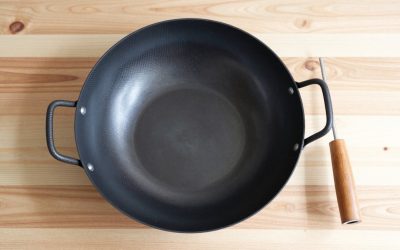
Carbon steel combines the heat retention of cast iron with a lighter weight. A well-seasoned Mineral B pan builds a natural nonstick patina, so salmon skin releases cleanly and crisps. The 12-inch size has a roughly 9.5-inch cooking surface according to the maker’s dimensions. It works on induction and lasts decades. The trade-offs are seasoning, no soaking, and a learning curve with acidic sauces that can strip seasoning. The pan is also not dishwasher safe.
Best Budget Searing Pan: Lodge 12-Inch Cast Iron Skillet
Lodge’s pre-seasoned skillet is inexpensive and holds heat well, which is why it is a favorite for blackened redfish and seared tuna. It weighs about 8 pounds, so flipping fish in it takes some care, and cast iron can react with acidic marinades. If you preheat it thoroughly and use enough oil, it releases firm fish well.
Best Long-Lasting All-Rounder: All-Clad D3 Stainless
A tri-ply stainless pan is not as forgiving as nonstick, but with proper preheating it can brown fish and build fond for pan sauces. All-Clad’s D3 line is among the most recognized, and it works on every cooktop including induction. Expect a steeper learning curve and higher cost, but it can last a lifetime.
Best for Whole Fish: An Oval Fish Poacher
A fish poacher is a long narrow pan with a rack and lid that holds a whole salmon, bass or trout in simmering liquid. They are specialty items, so buy one only if you cook whole fish a few times a year. A large roasting pan with a rack can work for occasional use.
Budget Alternative: Ceramic Nonstick
Ceramic-coated pans offer easy release without PTFE. Their coatings usually wear faster than PTFE nonstick, so they suit occasional use. Avoid high heat and metal tools.
How to Choose a Fish Pan
- Size: A 12-inch pan fits four fillets of 6 ounces each without crowding. A 10-inch pan fits two.
- Material: Nonstick for fragile fish, carbon steel or cast iron for sear and crust, stainless for sauces.
- Sides: Slightly sloped sides help a fish spatula slide under the fish.
- Weight: Choose a pan you can lift with one hand when full. Cast iron at 8 pounds is heavy.
- Cooktop: Check induction compatibility if you have an induction range.
- Handle: A stay-cool handle or helper handle matters on heavy pans.
Decision Matrix by Fish and Situation
| What you cook | Best pan | Heat |
|---|---|---|
| Sole, flounder, tilapia fillets | Nonstick | Medium |
| Skin-on salmon | Carbon steel, cast iron or stainless | Medium-high, then reduce |
| Blackened fish | Cast iron | High, with ventilation |
| Whole trout | Large skillet or oven-safe pan | Medium-high plus oven |
| Poached salmon | Fish poacher or deep sauté pan | Gentle simmer |
How to Cook Fish Without Sticking: Step by Step
- Pat the fish dry with paper towels, because surface moisture causes steaming and sticking.
- Heat the pan first, then add a high-smoke-point oil such as avocado or refined canola.
- Lay the fish away from you to avoid oil splatter, skin side down for skin-on fillets.
- Press gently for the first 10 seconds so the skin makes contact, then leave it alone.
- Flip only when the fish releases easily, usually after 3 to 4 minutes for a 1-inch fillet.
- Rest briefly, then serve. The U.S. FDA recommends cooking fish to an internal temperature of 145 degrees Fahrenheit.
Cooking Time Guide by Fish Thickness
| Fish | Thickness | Pan heat | Time per side | Target internal temp |
|---|---|---|---|---|
| Sole or flounder fillet | 0.25 to 0.5 in. | Medium | 1 to 2 minutes | 145 F |
| Cod or haddock fillet | 1 in. | Medium-high | 3 to 4 minutes | 145 F |
| Skin-on salmon fillet | 1 to 1.25 in. | Medium-high | 4 to 5 minutes skin side, 2 to 3 on flesh | 145 F (many cooks pull earlier) |
| Tuna steak | 1 in. | High | 1 to 2 minutes for rare center | 145 F for full doneness |
| Whole trout | About 1.5 in. at the thickest | Medium-high | 4 to 5 minutes | 145 F |
The rule of thumb of about 10 minutes of cooking per inch of thickness comes from long-standing guidance and works as a starting point. Thin fillets cook faster, so check them early.
Cost Per Year: A Worked Example
A nonstick pan that costs about the price of a good dinner out and lasts three years costs a third of that per year. A carbon steel pan that costs twice as much but lasts twenty years costs a fraction of that per year, though only if you maintain the seasoning. If you cook fish once or twice a week, the long-lived pan is the better value. If you cook fish a few times a year, an inexpensive nonstick or ceramic pan is enough.
Ownership Realities
- Fish odors cling to pans. Wash promptly and wipe cast iron and carbon steel with a little oil afterward.
- Nonstick pans last longer if you avoid dishwashers and metal utensils.
- Carbon steel and cast iron may need re-seasoning after cooking acidic dishes.
- Use a thin, flexible fish spatula. It is as important as the pan.
Frequently Asked Questions
What is the best pan material for fish?
Nonstick is easiest for delicate fillets, while carbon steel and cast iron give the best crispy skin. Stainless works well with preheating and enough oil.
How do I keep fish from sticking to the pan?
Dry the fish, preheat the pan, use enough oil and wait for the fish to release before flipping. Forcing it too early tears it.
Can I cook fish in a cast iron skillet?
Yes. Heat it thoroughly, oil the fish or pan and avoid long acidic marinades. Firm fish such as salmon and catfish do especially well.
What size pan do I need for fish fillets?
A 12-inch pan fits about four 6-ounce fillets without crowding. Use a 10-inch pan for two.
Is a fish poacher worth it?
Only if you cook whole fish often. For occasional use, a large roasting pan or deep sauté pan works.
How do I get fish smell out of a pan?
Wash with hot soapy water, then rub with lemon or a baking soda paste. Dry fully and re-oil carbon steel or cast iron.




Write Your Review
No reviews yet. Be the first to share your experience!