

The best cast iron pizza pans for crisp crusts are the Lodge 14-Inch Cast Iron Pizza Pan for dependable all-purpose baking, the Lodge 15-Inch Cast Iron Pizza Pan with Handles for larger pizzas, and a low-rim cast iron skillet when you want the deepest browning and the most flexibility.
Cast iron can produce a crisp, well-browned base because it stores substantial heat and releases it gradually into the dough. The trade-off is weight, slower preheating, and a greater risk of over-browning the underside in ovens that run hot. Choosing the right diameter and rim matters as much as choosing the brand.
Our top picks
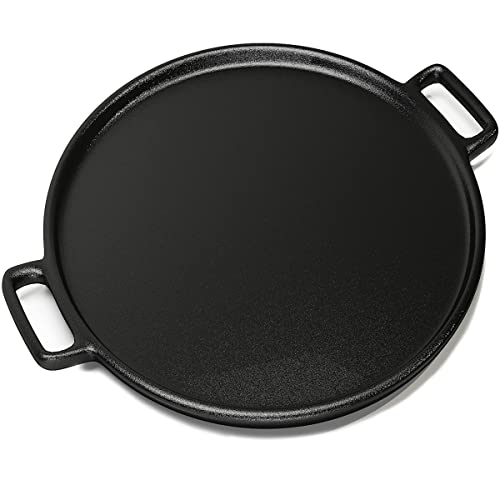 Home-Complete Cast Iron Pizza Pan
- Constructed from durable cast iron, this flat pan…
- Cast iron skillets heat evenly on gas, electric,…
- This cast iron grill pan is perfect for…
 Lodge BOLD Pre-Seasoned Cast Iron Pizza Pan
- Heavy Duty Construction: The Lodge Seasoned Cast Iron…
- Time-Tested Even Heat Distribution: This durable cast iron…
- Oven Ready Versatility: Designed with dual handles for…
 Classic Cuisine Cast Iron Pizza Pan
- Pre-seasoned and constructed from sturdy and durable cast…
- This handy skillet can be used in the…
- Use it for breakfast, lunch, and dinner! The…
| Product | Key specs | |
|---|---|---|
| Home-Complete Cast Iron Pizza Pan | Constructed from durable cast iron, this flat pan… Cast iron skillets heat evenly on gas, electric,… This cast iron grill pan is perfect for… | Check price |
| Lodge BOLD Pre-Seasoned Cast Iron Pizza Pan | Heavy Duty Construction: The Lodge Seasoned Cast Iron… Time-Tested Even Heat Distribution: This durable cast iron… Oven Ready Versatility: Designed with dual handles for… | Check price |
| Classic Cuisine Cast Iron Pizza Pan | Pre-seasoned and constructed from sturdy and durable cast… This handy skillet can be used in the… Use it for breakfast, lunch, and dinner! The… | Check price |
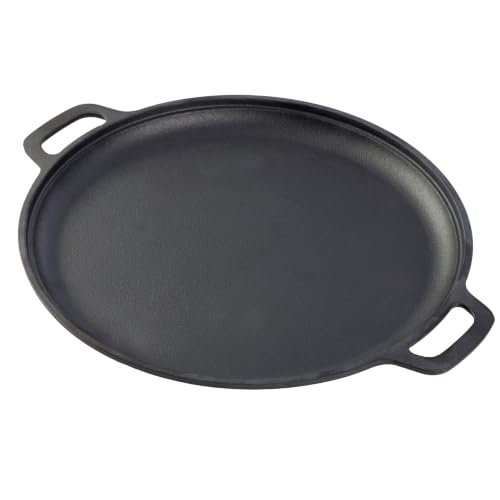 Home-Complete Cast Iron Pizza Pan with Dual Home-Complete Cast Iron Pizza Pan with Dual | Constructed from durable cast iron, this 12 inch… Cast iron cookware heat evenly on gas, electric,… This cast iron griddle pan is perfect for… | Check price |
As an Amazon Associate we earn from qualifying purchases at no extra cost to you.
Best cast iron pizza pans at a glance
| Pan or style | Typical diameter | Approx. weight | Rim or edge | Best for | Typical market range |
|---|---|---|---|---|---|
| Lodge 14-Inch Cast Iron Pizza Pan | 14 inches | About 10–12 lb | Low, shallow edge | Classic round pizza and crisp, fairly thin crust | About $35–$60 |
| Lodge 15-Inch Cast Iron Pizza Pan with Handles | 15 inches | About 12–14 lb | Low edge with integrated handles | Large pizzas and easier oven handling | About $40–$70 |
| Victoria 12-Inch Cast Iron Skillet | 12 inches | About 7–8 lb | About 2-inch sidewall | Pan pizza, smaller ovens, and frequent general cooking | About $25–$45 |
| 14-inch cast iron skillet | 14 inches | About 10–13 lb | Usually 2–3 inches | Thicker crust, deep toppings, and maximum versatility | About $40–$80 |
| 10–12-inch cast iron pizza pan | 10–12 inches | About 5–9 lb | Low edge | Small kitchens, two-person portions, and toaster ovens if approved | About $25–$50 |
Weights vary by production batch and exact model, so treat the figures as buying guidance rather than guaranteed specifications. Before ordering a 14- or 15-inch pan, measure the oven rack, door opening, and distance between the rack supports. A pan that fits the rack may still be awkward to load through the door.
Head-to-head: pizza pan versus cast iron skillet
Low-rim pizza pans
A dedicated pizza pan usually has a shallow rim or raised edge. This makes sliding a shaped pizza onto the surface easier and leaves more room for a wide crust. It also encourages a flatter pizza with a more evenly browned underside. The Lodge 14-Inch Cast Iron Pizza Pan is a strong choice when the main goal is a conventional round pizza rather than deep-dish baking.
The low edge has two limitations: it provides little support for wet, heavily topped dough, and it does not contain much oil or sauce. Use a baking sheet beneath it if cheese or oil is likely to run over the side.
High-rim skillets
A skillet is the better choice for pan pizza, focaccia-style pizza, or dough that needs to rise inside the pan. A 12-inch skillet can hold roughly 700–900 grams of dough for a thick pizza, depending on how tall you want the crust. The taller sides also make it easier to add generous toppings without spilling.
However, the sidewall can make launching and removing a thin pizza harder. A skillet also concentrates heat around the dough’s perimeter, which may produce a darker outer ring than the center. The Victoria 12-Inch Cast Iron Skillet is a practical option when the pan will also cook cornbread, vegetables, or seared foods.
How diameter changes the crust
Diameter changes more than serving size: it changes dough thickness, topping density, and baking time. For the same 500-gram dough ball, a 12-inch pizza has approximately 36 percent more dough per square inch than a 14-inch pizza.
Using the circle-area calculation:
- 12-inch pan area: π × 6² = about 113 square inches.
- 14-inch pan area: π × 7² = about 154 square inches.
- 500 grams of dough ÷ 113 = about 4.4 grams per square inch.
- 500 grams of dough ÷ 154 = about 3.2 grams per square inch.
That difference usually means a thicker, chewier crust in the 12-inch pan and a thinner, crisper crust in the 14-inch pan. For two modest servings, choose 10–12 inches. For a larger thin-crust pizza, choose 14 inches. A 15-inch pan is useful only if your oven and peel or cutting board can comfortably accommodate it.
Seasoning and surface texture
Most current cast iron pizza pans arrive factory-seasoned, but “pre-seasoned” does not mean nonstick immediately. The first few pizzas may release more cleanly if you apply a very thin film of neutral oil and bake the empty pan at approximately 400°F for 45–60 minutes, following the manufacturer’s care instructions.
A smooth cooking surface can release thin dough more easily, while a textured surface may hold seasoning well but require more oil during the first several uses. Neither surface guarantees a crisp crust; dough hydration, preheating, and oven temperature have greater influence.
After baking, let the pan cool enough to handle safely, scrape away stuck food with a plastic or wood tool, rinse with hot water, and dry it completely. A light coat of oil helps prevent rust. Avoid leaving water in the pan, soaking it overnight, or using a dishwasher. If rust develops, scrub it away, dry the pan over low heat, and rebuild the seasoning in thin layers.
Preheating requirements in different ovens
Standard home oven
Put the empty cast iron pan on a middle or lower-middle rack while the oven preheats. Allow at least 30 minutes after the oven reaches its target temperature; 45 minutes gives a large 14- or 15-inch pan more time to heat through. Bake at 475–525°F if the dough recipe permits. Transfer the dough carefully because cast iron retains heat far longer than aluminum.
Convection oven
Convection air movement browns exposed toppings quickly. Reduce the setting by roughly 25°F from a conventional-oven recipe or begin checking several minutes early. If the base is crisp but the cheese is darkening too fast, move the pan one rack higher or reduce the temperature rather than adding more oil.
Electric or gas oven with a weak lower element
Preheat the pan on the lowest safe rack position, but do not place it directly on the oven floor unless the oven manual specifically permits that use. A lower rack improves bottom browning; a middle rack produces a more balanced result. Thin-crust dough may need only 8–12 minutes, while a deep skillet pizza may take 18–25 minutes.
Outdoor pizza oven
Many cast iron pans are unsuitable for the highest temperatures of wood-fired pizza ovens unless the manufacturer explicitly rates them for that environment. Cast iron can tolerate high heat, but handles, seasoning, and pan coatings may not. For a typical high-temperature pizza oven, use the oven maker’s recommended cookware rather than assuming a household pan is safe.
Decision matrix: which pan suits your kitchen?
| Your situation | Best fit | Why | Watch out for |
|---|---|---|---|
| First cast iron purchase | 12-inch skillet | Manageable weight and useful beyond pizza | Higher sides make thin pizzas harder to remove |
| Thin, crisp crust twice a month | 14-inch low-rim pizza pan | Broad surface and easy crust shaping | Needs substantial preheating space |
| Large family pizza | 15-inch handled pizza pan | More cooking area and safer lifting points | Very heavy when loaded; verify oven clearance |
| Small kitchen or limited storage | 10- or 12-inch pan | Fits more ovens and is easier to store | Smaller pizza may require multiple batches |
| Thick, topping-heavy pizza | 12- or 14-inch skillet | Sidewalls contain oil, sauce, and rising dough | Longer bake and potentially darker edges |
Handle design and everyday ownership
Integrated handles are valuable because a loaded 14-inch cast iron pan can weigh 15 pounds or more. They are also space-hungry: handles may prevent the pan from fitting into a narrow oven or cabinet even when the cooking surface would fit. A pizza pan without handles is easier to store and may accept a wide spatula more easily, but it demands better oven mitts and a firmer grip.
The first component likely to become inconvenient is not the iron itself but the seasoning. Acidic tomato sauce, prolonged soaking, metal scraping, and repeated high-moisture cooking can create dull patches or rust. These are usually maintenance issues rather than structural failures. The pan can be reseasoned, but uneven seasoning may cause different pizzas to brown at different rates until the surface improves.
How to get the crispiest result
- Measure the oven before choosing a diameter, including the door opening and rack width.
- Place the dry pan in the oven and preheat it for 30–45 minutes.
- Stretch dough slightly smaller than the pan, then allow it to relax before extending it to the edge.
- Use a thin layer of oil; excess oil can fry the base while leaving the center soft.
- Limit very wet toppings, especially fresh mozzarella and watery vegetables.
- Check the underside before the top is fully browned. If the base is darkening too quickly, move the pan higher or lower the temperature.
- Rest the pizza for 3–5 minutes before cutting so the crust firms without steaming excessively.
For most households, the 14-inch low-rim pan is the best cast iron pizza pan for a crisp, conventional crust. Choose the 15-inch handled version when capacity and lifting matter more than storage, and choose a 12-inch skillet when thick crust and all-purpose cooking are more important than easy pizza removal.








Write Your Review
No reviews yet. Be the first to share your experience!