

Key takeaways
- How to clean copper cookware without damaging tin lining: gentle washing, safe tarnish removal, what to avoid, and signs it is time to have a pan re-tinned.
The safest way to clean tin-lined copper cookware is to wash it by hand with warm water, mild dish soap and a soft sponge, dry it right away, and keep abrasives away from the tin. Polish the copper exterior separately with a mild acid paste or a copper cleaner, and rinse it off thoroughly. The inside needs far more caution than the outside, because tin is a soft metal that scratches and wears easily. This guide explains the routine, what to avoid, and how to recognize a lining that needs professional attention.
Know what you are cleaning
Most traditional copper pots and pans have two surfaces. The outside is bare or lacquered copper, which tarnishes with heat and air. The inside is lined, commonly with tin, to keep acidic food from reacting with the copper. Some modern copper pans use a stainless steel lining instead, which is far tougher and does not need the same care.
Check which type you own before cleaning. A silvery, slightly soft-looking interior is typically tin, while a bright, hard and uniform interior is more likely stainless. The manufacturer’s care instructions are the best source, so check the manual or product page. Lacquered copper has a clear protective finish and should not be treated with polish or acids at all, so follow the maker’s directions for that surface.
Why tin needs gentle handling
Tin has a comparatively low melting point and is much softer than stainless steel. That has two consequences for cleaning and cooking. First, abrasive scrubbing wears it away. Second, high heat can damage it, so many makers advise against heating an empty pan on a high flame and recommend moderate heat for most cooking. Check the manufacturer’s guidance for the specific temperature advice that applies to your pan.
Wear is normal over time. A well-used tin lining slowly becomes dull and may develop dark marks, which are generally cosmetic. What matters is whether bare copper is showing, because that is when the lining has stopped doing its job.
What you need before you start
- Warm water and a mild liquid dish soap
- A soft sponge or non-scratch cloth for the interior
- A soft brush for rivets and seams
- Table salt, white vinegar or lemon for exterior tarnish
- Clean, dry towels, including a microfiber cloth for polishing
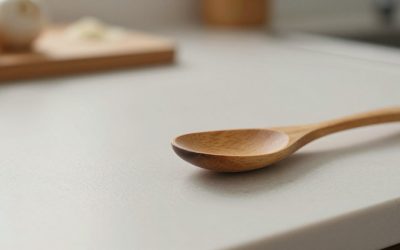
- Wooden or silicone utensils for loosening food
Leave steel wool, scouring powder, metal scrapers and harsh oven cleaners in the cupboard. None of them belongs anywhere near a tin interior.
Step-by-step: everyday washing
- Let the pan cool completely. Plunging a hot copper pan into cold water can stress the metal and the lining.
- Fill the pan with warm water and a drop of dish soap, and soak stuck-on food for 15 to 30 minutes.
- Wipe the interior with a soft sponge, using light pressure and circular motions.
- Loosen any remaining residue with a wooden spoon or silicone spatula rather than metal.
- Wash the outside with the same sponge, paying attention to rivets and handle joints where grease collects.
- Rinse thoroughly with warm water.
- Dry immediately with a clean towel, inside and out. Standing water leaves spots and encourages tarnish.
Removing tarnish from the exterior
Tarnish is normal, and many owners treat the darker patina as part of the pan’s character. If you want the bright finish back, there are two common approaches.
The household method uses acid and salt. Mix table salt with white vinegar or lemon juice into a paste, rub it gently over the outside with a soft cloth, then rinse completely and dry. The salt acts as a mild abrasive and the acid dissolves the oxide. Keep the paste off the lining where possible, and rinse it out well if it spreads inside, since acid sitting on tin is not ideal.
A commercial copper cleaner is the second option. Choose a product intended for cookware, follow the label, and test it on a small area. Never use polish on lacquered copper, and do not use it on the interior.
Quick reference: what to use where
| Surface | Safe approach | Avoid |
|---|---|---|
| Tin lining | Warm soapy water, soft sponge, soak | Steel wool, scouring powder, metal tools, dishwasher |
| Bare copper exterior | Salt and vinegar paste or cookware copper cleaner | Rough pads that leave scratches |
| Lacquered copper exterior | Mild soap and soft cloth | Polish, acid pastes, abrasives |
| Stainless lining | Standard stainless cleaning per the manual | Anything the manufacturer warns against |
| Handles and rivets | Soft brush, thorough drying | Prolonged soaking |
Worked example: cleaning after a tomato sauce
Assume a tin-lined saucepan was used to simmer a tomato sauce for about 40 minutes at low heat, and a thin layer of sauce has dried on the bottom. The pan is still warm when dinner ends. Instead of scrubbing, let it cool for 20 minutes, fill it with warm water and a few drops of soap, and leave it for half an hour. Most of the film will then lift with a sponge. Rinse, dry, and check the lining under good light.
If a faint stain remains, it is usually fine to leave it. Aggressive scrubbing to remove a light stain removes more tin than the stain is worth. Acidic dishes are a reason to clean promptly, since leaving acid sauce in the pan for long periods is discouraged for tin.
What can go wrong
Problems are mostly caused by the same few habits. Dishwashers dull the exterior and harm the tin. Metal utensils leave scratches that collect food and speed up wear. Overheating an empty pan can damage or melt the lining. Storing the pan wet encourages spots and verdigris. Stacking pans without protection scratches the interiors, so place a cloth or a pan protector between them.
If you see green or blue-green deposits, do not cook with the pan until they are cleaned from the cooking surface. Those deposits are copper corrosion products and should not touch food.
When to stop and call a professional
Stop using the pan for cooking when bare copper is visible in the cooking area, when the lining is flaking or peeling, or when you see persistent green deposits inside. At that point the practical solution is professional retinning, which is offered by specialized cookware restorers. Ask about their process and how long the job takes, and be wary of home repair methods involving unknown metals or solder.
Related guides
- Stock Pots For Large Batch Soup 20 Quart
- Carbon Steel Woks For Gas Stoves 14 Inch
- How To Season A Carbon Steel Wok Step By Step
Frequently asked questions
Can I put tin-lined copper cookware in the dishwasher?
It is best to avoid it. Dishwasher detergents are harsh, the heat can stress the tin, and long wet cycles dull the copper exterior and may leave spots. Tin is a soft metal, so even the tumbling of other dishes can scratch it. Hand wash with warm water, a little mild dish soap and a soft sponge, then dry the pan immediately with a clean towel.
What is the safest way to polish the outside of copper pans?
A paste of salt and white vinegar, or lemon juice with salt, is a common household method for the exterior. Apply it with a soft cloth, rub gently, rinse thoroughly and dry at once. Keep the paste away from the tin interior as much as possible. A commercial copper cleaner is another option, but follow its label and check that your pan is not lacquered.
Is the green or blue-green residue on copper dangerous?
That residue is usually verdigris, a corrosion product of copper, and it should not come into contact with food. Clean it off the exterior with a mild acid paste, and do not cook in a pan that has green deposits inside. If the interior lining is worn and copper is showing, stop using the pan for cooking until it has been re-tinned or otherwise repaired by a professional.
How do I know when the tin lining needs replacing?
Look for a dull, patchy interior where pinkish copper shows through the silvery tin, particularly in the center of the pan. Small gray or dark marks are normal, but exposed copper means the lining is worn through. A professional retinning service can restore the surface. Many cooks have pans relined every few years or decades depending on use and care.
Can I use steel wool or scouring powder on the inside?
No. Steel wool, scouring powder and abrasive pads can remove tin quickly because it is soft. Use a non-scratch sponge or a soft brush with warm soapy water. For stuck-on food, soak the pan instead of scraping, and use a wooden spoon or silicone spatula to loosen residue. Gentle cleaning helps the lining last longer between professional relinings.
Write Your Review
No reviews yet. Be the first to share your experience!