

The best resin art kits for beginners are complete epoxy sets with clearly measured mixing ratios, low-odor formulas, basic safety gear, and enough resin for several small projects—not simply the kit with the most molds.
For most first-time creators, a 16–32 oz (473–946 mL) two-part epoxy kit with silicone molds, disposable mixing supplies, pigments, gloves, and a printed or downloadable guide offers the best balance of cost and learning room. Choose a smaller 8–16 oz kit if storage is limited, or a larger 64 oz kit if you already know you will make trays, coasters, and multiple gifts.
Our top picks
 Sea Glass Art Kits
- 【 DIY artworks】Whether you are a craftsman or…
- 【Package Includes】 We provide you with everything you…
- 【Easy to Operate】Even if you have never been…
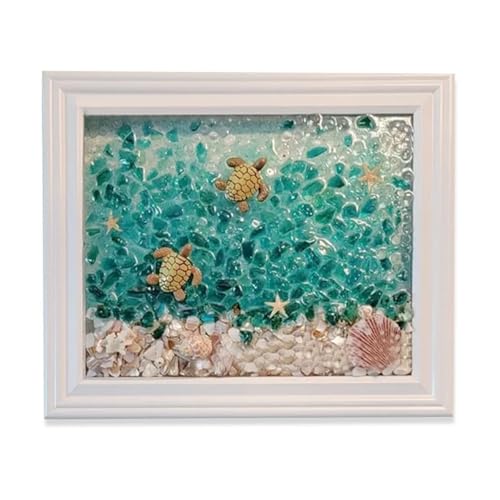 Sea Glass Art Kit
- DIY Resin Beach Art Kit : Unleash your…
- Complete Supplies: We provide you with everything you…
- Endless Possibilities : Our kit includes all the…
As an Amazon Associate we earn from qualifying purchases at no extra cost to you.
Best resin art kits by situation
| Situation | Best kit type | Useful specifications | Why it fits |
|---|---|---|---|
| First project or cautious beginner | Small complete epoxy starter kit | 8–16 oz total resin, 1:1 ratio, 6–12 pigments, 3–6 molds | Lower upfront cost and less material wasted while learning |
| Beginner wanting variety | Medium all-purpose kit | 16–32 oz total resin, 12–24 colors, 8–15 molds | Supports jewelry, coasters, keychains, bookmarks, and small décor |
| Frequent crafter or gift maker | Large casting kit | 64 oz total resin, reusable silicone molds, mica and liquid pigments | Lower resin cost per project and fewer interruptions for reordering |
| Small apartment or shared workspace | Compact low-volume kit | 8–16 oz total resin, shallow molds, lidded storage box | Less storage, shorter pours, and easier cleanup |
| Already owns tools and molds | Resin-and-pigment refill kit | 32–64 oz resin, pigments only, minimal accessories | Avoids paying for duplicate cups, gloves, and molds |
Head-to-head: what the main kit types actually offer
Compact starter kits
Compact kits usually contain 8–16 oz of combined resin and hardener, a few silicone molds, mixing cups, wooden sticks, disposable gloves, and a small pigment selection. They are the most suitable choice for a first attempt because epoxy has a limited working life: unused mixed resin cannot be returned to the bottles.
The limitation is project size. A coaster mold may use approximately 1.5–2.5 fl oz of mixed resin, while a small pendant may use less than 0.2 fl oz. A 16 oz kit might therefore produce six to eight coasters, dozens of small charms, or a mixture of both, depending on mold depth and waste.
Medium all-in-one kits
A 16–32 oz kit is the strongest general-purpose option for beginners who want to learn several techniques. Better versions include opaque pigments, mica powders, transparent tints, glitter, dried-flower accessories, and molds in different shapes. Look for a resin designed for thin and medium-depth pours rather than a formula intended only for river tables or thick castings.
These kits often provide enough material to compare color effects and practice layering. However, a long list of accessories does not automatically mean good value. Twenty nearly identical glitter pots are less useful than six distinct color types and durable, flexible molds.
Large casting kits
Large kits containing about 64 oz of combined resin and hardener make sense for regular use. They are economical when you already have a dedicated workspace and know how to measure accurately. They are less forgiving for beginners: opened bottles may thicken over time, and storing large quantities in a warm or sunny room can shorten their useful life.
Choose a large kit for repeated coasters, trays, molds, and small tabletop pieces—not because a larger bottle will make learning easier. A beginner who makes only one project may spend more on resin that eventually expires or becomes difficult to pour.
Refill and specialty kits
Refill sets from established resin brands such as ArtResin or Craft Resin can be practical once you own a scale, mixing cups, molds, and protective equipment. Specialty kits may focus on geode art, jewelry, petri-dish effects, ocean waves, or floral casting. They can create more distinctive results, but they are not always ideal for learning basic measuring and bubble control.
Brands such as Let’s Resin and Hippie Crafter are also commonly associated with beginner-oriented molds, pigments, and resin-crafting accessories. Check the current package specification before buying: formulas, included quantities, curing claims, and accessories can vary between kit versions.
What to compare before choosing
Resin volume and mixing ratio
Compare the combined volume of resin and hardener, not just the largest number printed on the front. A 1:1 by-volume formula is generally easier for beginners than a 2:1 or 3:1 system, although the instructions always take priority. Some products require weight-based measuring, so a digital scale may be essential rather than optional.
For a rough planning calculation, suppose a coaster mold holds 2 fl oz and you allow 10% for cup and tool waste. Eight coasters require about 17.6 fl oz of mixed resin:
8 × 2 fl oz × 1.10 = 17.6 fl oz
That means a 16 oz kit is unlikely to make eight full coasters, while a 32 oz kit leaves room for failed pours and experiments.
Curing time and working time
Most beginner epoxy kits need roughly 12–24 hours before a piece can be removed from a mold and about 48–72 hours for a harder final cure, though temperature, thickness, humidity, and formula make a substantial difference. A kit that feels firm after one night may still mark easily.
Working time is equally important. A resin with a 30–45 minute pot life gives time to mix colors and remove bubbles; a fast-curing formula may become thick before a first-time user finishes a design. Avoid choosing solely by the shortest advertised cure time.
Pigments and project variety
A useful beginner palette includes opaque pigment, mica powder, transparent tint, white, black, metallic, and glitter. Liquid colorants are convenient for translucent effects, while mica creates shimmer but can settle in deep pours. The kit should state that its pigments are compatible with epoxy resin; water-based paints can interfere with curing.
For variety, favor kits containing several mold categories rather than multiple sizes of one shape:
- Coasters or small trays for learning measured pours.
- Keychains and pendants for small-batch practice.
- Bookmarks or letter molds for thin, relatively economical projects.
- Geometric or floral molds for layered designs.
Safety equipment
At minimum, look for disposable nitrile gloves, protective table covering, mixing cups, and clear safety instructions. If a kit includes only thin plastic gloves, replace them with properly fitting nitrile gloves. Work in a well-ventilated area, keep uncured resin away from skin and food-preparation surfaces, and follow the product’s safety data sheet.
A basic craft mask is not automatically suitable for resin vapors. If the manufacturer specifies respiratory protection, use the type recommended in the safety documentation. Never use resin molds, cups, or tools for food after they have been used for craft materials.
Features that matter after the first project
Silicone mold quality often matters more than an extra pigment set. Look for smooth interiors, even walls, a stable base, and enough flexibility to release cured pieces without tearing. Very thin silicone can warp and create uneven coasters. Molds with sharp corners may need more careful demolding and can trap bubbles.
Bottles with narrow, resealable caps reduce spills, but resin still needs to be stored upright in a cool, dry, dark place. Dust covers, reusable silicone cups, and a level work surface reduce waste. A kit with a small measuring cup is less useful if its markings are hard to read; graduated cups plus a digital scale provide more reliable control.
Common ownership problems and how to avoid them
- Sticky or soft pieces: inaccurate ratio, incomplete mixing, cold conditions, or incompatible colorant. Scrape the sides and bottom while mixing, then follow the specified ratio precisely.
- Cloudy surfaces: moisture, overworking, or a cold workspace. Keep materials dry and use the temperature range in the instructions.
- Many bubbles: vigorous stirring, porous inclusions, or a deep mold. Stir slowly, let the mixture rest briefly, and use only manufacturer-approved bubble-removal methods.
- Warped pieces: thin molds, an uneven table, or demolding too soon. Support flexible molds and wait for the full cure.
- Worn accessories: disposable cups, gloves, mixing sticks, and fine detail tools are the first consumables to run out. Budget for replacements instead of judging a kit only by its initial price.
How to set up a first project
- Cover a level work surface and gather the mold, gloves, timer, cups, sticks, pigments, and waste container before opening the bottles.
- Measure the required amount according to the kit’s volume or weight instructions. Do not guess by eye.
- Mix slowly for the specified duration, scraping the bottom and sides several times.
- Divide the resin into smaller cups before adding pigments so one color does not contaminate the whole batch.
- Pour in thin layers when the mold or design requires it, then protect the piece from dust while it cures.
- Leave the project in the mold for the stated demolding time, and wait for the full cure before sanding, handling heavily, or applying a finish.
Final buying recommendation
Choose a 16–32 oz, 1:1 epoxy starter kit if you are new and want more than one type of project. Prioritize clear instructions, a moderate working time, varied pigments, flexible silicone molds, and real nitrile gloves over an impressive accessory count. Select a compact 8–16 oz kit for occasional crafting or limited storage, and move to a 64 oz refill or casting kit only after you know how much resin you use and which projects you enjoy.








Write Your Review
No reviews yet. Be the first to share your experience!