

The most reliable beef and noodles recipe uses a well-marbled beef chuck roast, a covered simmer until the beef is fork-tender, and egg noodles added only at the end. For the best texture, cook the beef fully before adding noodles: about 8–10 minutes in a skillet, 2–3 hours in a Dutch oven, or 6–8 hours in a slow cooker, followed by a separate 6–8 minute noodle cook.
This method makes a rich, savory meal without mushy noodles or tough beef. The key is matching the cut, cooking vessel, and timing: thin-sliced sirloin works for a fast skillet version, while chuck is better for Dutch oven and slow-cooker beef and noodles.
Our top picks
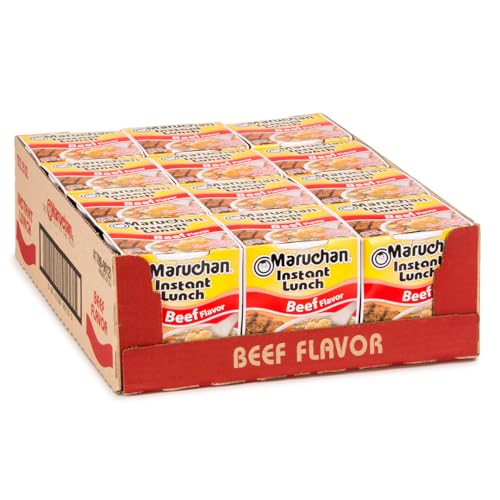 Maruchan Instant Lunch Ramen Noodles
- Hearty, Beefy Ramen: Savory Japanese-style instant ramen noodles…
- One Cup, Endless Possibilities: Customize your slurp, and…
- Convenient Meal or Snack: Busy day? No problem
 Nissin Top Ramen Noodle Soup
- Embrace the convenience of Top Ramen in its…
- Top ramen is always a simple, delicious pleasure,…
- Quick and easy to make
 Maruchan Ramen Noodle Soup
- Beefed-Up Classic Ramen: Japanese-style instant ramen noodles in…
- Customize Your Slurp: Start with our signature ramen…
- Quick Fuel for Packed Days: Hungry between classes,…
| Product | Key specs | |
|---|---|---|
| Maruchan Instant Lunch Ramen Noodles | Hearty, Beefy Ramen: Savory Japanese-style instant ramen noodles… One Cup, Endless Possibilities: Customize your slurp, and… Convenient Meal or Snack: Busy day? No problem | Check price |
| Nissin Top Ramen Noodle Soup | Embrace the convenience of Top Ramen in its… Top ramen is always a simple, delicious pleasure,… Quick and easy to make | Check price |
| Maruchan Ramen Noodle Soup | Beefed-Up Classic Ramen: Japanese-style instant ramen noodles in… Customize Your Slurp: Start with our signature ramen… Quick Fuel for Packed Days: Hungry between classes,… | Check price |
 Maruchan Ramen Noodles Maruchan Ramen Noodles | Item Package Length: 11.2cm Item Package Width: 14.4cm Item Package Height: 20.9cm | Check price |
As an Amazon Associate we earn from qualifying purchases at no extra cost to you.
Beef and Noodles Recipe at a Glance
| Method | Best beef cut | Beef cooking time | Noodle timing | Approximate total time | Best for |
|---|---|---|---|---|---|
| Skillet | Thin-sliced sirloin or chuck eye | 8–10 minutes | 6–8 minutes, added at the end | 30–35 minutes | Weeknight meals and smaller portions |
| Dutch oven | 1 1/2-inch cubes of beef chuck | 2–3 hours | 6–8 minutes, added at the end | 3 hours | Deep flavor and the most tender beef |
| Slow cooker | 1 1/2-inch cubes of beef chuck | 6–8 hours on Low | Cook separately for 6–8 minutes | 6 1/2–8 1/2 hours | Hands-off cooking and meal prep |
Ingredients for Beef and Noodles
This recipe makes 4 generous servings.
- 1 1/2 pounds beef chuck roast, cut into 1 1/2-inch cubes, for the Dutch oven or slow cooker
- Or 1 1/4 pounds sirloin, cut into thin strips across the grain, for the skillet method
- 1 1/2 teaspoons kosher salt, divided
- 1/2 teaspoon black pepper
- 2 tablespoons all-purpose flour
- 2 tablespoons neutral cooking oil
- 1 medium yellow onion, diced
- 8 ounces cremini mushrooms, sliced, optional
- 3 garlic cloves, minced
- 2 tablespoons tomato paste
- 3 cups low-sodium beef broth
- 1 tablespoon Worcestershire sauce
- 1 teaspoon dried thyme
- 1 bay leaf
- 12 ounces wide dried egg noodles
- 1/2 cup sour cream, optional
- 2 tablespoons chopped parsley, optional
For a thicker sauce, reserve 1/4 cup of the cooking liquid and whisk it with 1 tablespoon cornstarch before stirring it into the finished beef. For a lighter, brothier bowl, use the full 3 cups of broth and omit the sour cream.
Why Beef Gets Tough and Noodles Turn Mushy
Tough beef usually comes from using a quick-cooking cut in a long braise, cutting a steak with the grain, or stopping a chuck roast before its connective tissue has softened. Beef chuck becomes tender only after a long, moist cook, so it may seem tough at the two-hour mark and become tender 30–45 minutes later.
Mushy noodles are usually caused by adding them too early, using too little liquid, or holding them in hot sauce after they are fully cooked. Dried egg noodles continue absorbing liquid while they sit. For that reason, the slow-cooker method should use noodles cooked in a separate pot, while the skillet and Dutch oven methods should add noodles only when the beef is already tender.
Skillet Beef and Noodles: Fastest Method
Choose this method when dinner needs to be ready in about 30 minutes. Thin-sliced sirloin stays tender when seared quickly, but it should not be simmered for an hour like chuck.
- Boil the noodles separately. Cook 12 ounces of wide egg noodles in salted water for 1 minute less than the package’s al dente time, usually 6–7 minutes. Drain, toss with 1 teaspoon oil, and set aside. This prevents the noodles from overcooking while the sauce finishes.
- Slice and season the beef. Cut 1 1/4 pounds sirloin into strips no more than 1/4 inch thick, slicing across the grain. Season with 1 teaspoon salt and the pepper. Thin pieces and cross-grain slicing shorten the chew of the muscle fibers.
- Sear in batches. Heat 1 tablespoon oil in a 12-inch skillet over medium-high heat. Cook the beef for 60–90 seconds per side, then transfer it to a plate. Crowding the pan causes steaming instead of browning.
- Build the sauce. Add the remaining oil, then cook the onion and mushrooms for 4–5 minutes. Stir in garlic and tomato paste for 30 seconds. Add 2 cups broth, Worcestershire sauce, and thyme, scraping up browned bits.
- Simmer briefly. Return the beef and any collected juices to the skillet. Simmer uncovered for 2–3 minutes, just until the sauce thickens slightly and the beef is hot. Sirloin does not benefit from extended simmering.
- Combine at the last moment. Stir in the drained noodles and sour cream, if using. Warm for 1–2 minutes, then remove from the heat. Add a splash of broth if the sauce becomes too thick.
The skillet version should have a glossy sauce that coats the noodles rather than a large amount of liquid. If the beef is already well done after searing, add it during the final 30 seconds instead of simmering it for three minutes.
Dutch Oven Beef and Noodles: Best Texture and Flavor
The Dutch oven is the best all-purpose choice when tender beef and a concentrated sauce matter more than speed. Use a 5 1/2- to 7-quart heavy pot with a tight-fitting lid; the thick walls hold steady heat and reduce evaporation during the braise.
- Dry and season the chuck. Pat 1 1/2 pounds of beef chuck dry. Season with 1 teaspoon salt and the black pepper, then dust with the flour. Dry surfaces brown more effectively, while a light flour coating helps the finished sauce thicken.
- Brown the beef in batches. Heat the oil in the Dutch oven over medium-high heat. Brown the cubes for 2–3 minutes per side, working in two or three batches. Transfer the browned beef to a bowl.
- Cook the aromatics. Add onion and mushrooms to the pot and cook for 5–6 minutes. Stir in garlic and tomato paste for 1 minute. The tomato paste should darken slightly but not burn.
- Deglaze and braise. Pour in 3 cups broth and the Worcestershire sauce, scraping the bottom. Add thyme, bay leaf, and the beef. The liquid should reach roughly halfway to two-thirds up the beef, not completely cover it.
- Cook until fork-tender. Bring the liquid to a gentle simmer, cover, and place in a 325°F oven for 2–3 hours. Begin checking at 2 hours. The beef is ready when a fork slides into a cube with little resistance; temperature alone does not determine tenderness for chuck.
- Cook the noodles separately. While the beef rests briefly, boil the egg noodles for 1 minute less than the package direction. Drain well. Separate cooking gives the most predictable texture and prevents the noodles from absorbing the entire sauce.
- Finish the sauce. Remove the bay leaf. If the sauce is thin, simmer it uncovered on the stovetop for 5–10 minutes. Stir in the noodles and sour cream off the heat, adding broth one tablespoon at a time if needed.
Do not keep the Dutch oven at a vigorous boil. Fast bubbling tightens the outer muscle fibers and can make the sauce evaporate before the connective tissue has softened. A few lazy bubbles around the edge are enough.
Slow-Cooker Beef and Noodles: Best for Hands-Off Cooking
Use the slow cooker when the meal needs to wait for you. A 6-quart slow cooker fits this recipe comfortably; smaller models may require reducing the beef to 1 pound and the broth to 2 cups.
- Brown the beef if possible. Season the chuck with salt and pepper, then brown it in a skillet in batches for about 2 minutes per side. This step is optional, but it adds browned flavor that a slow cooker alone cannot create.
- Layer the ingredients. Put onion, mushrooms, garlic, tomato paste, thyme, Worcestershire sauce, and bay leaf in the cooker. Add the beef and pour in 3 cups broth. Avoid adding the noodles at this stage.
- Cook on Low. Cover and cook for 6–8 hours on Low. Start checking at 6 hours if the cubes are small. The beef is done when it can be divided easily with a fork.
- Cook noodles separately. Boil the egg noodles in a separate pot for 1 minute less than the package time. Drain immediately. This is the most important slow-cooker rule because noodles left in the cooker can become soft and swollen.
- Adjust and serve. Remove the bay leaf, taste the sauce, and add salt if needed. Stir in the noodles and sour cream immediately before serving. If the sauce is thin, transfer 1 cup to a saucepan and simmer it for 5–8 minutes, then return it to the cooker.
For meal prep, store the beef sauce and noodles in separate airtight containers for up to 3 days in the refrigerator. Reheat the sauce first, then add the noodles for the final minute. This preserves more texture than reheating everything together.
How to Choose the Right Method
| Your situation | Recommended method | Reason | Main compromise |
|---|---|---|---|
| Under 40 minutes | Skillet with sirloin | Quick searing and a short sauce reduction | Less deeply tender than braised chuck |
| Maximum tenderness | Dutch oven with chuck | Even heat and controlled evaporation | Requires active browning and oven time |
| Minimal active work | Slow cooker with chuck | Long, unattended moist cooking | Noodles must be cooked separately |
| Cooking for leftovers | Dutch oven or slow cooker | Chuck sauce reheats well when noodles are stored apart | Longer initial cooking time |
| Small kitchen or one-pan cleanup | Skillet | One large skillet handles the sauce and final combination | Egg noodles still cook best in a second pot |
Common Mistakes and Practical Fixes
- Using chuck for the fast method: Chuck needs hours, not minutes. For a skillet, use sirloin and cut it thinly across the grain.
- Adding noodles at the beginning: Add them only during the final 6–8 minutes, or cook them separately. If the noodles are already soft, they cannot be firmed again.
- Boiling the sauce hard: Keep braising liquid at a gentle simmer. A rolling boil can make beef fibers firm and reduce the sauce too quickly.
- Skipping the rest after browning: Let browned beef sit while the vegetables cook. Returning it later prevents overcooking thin pieces and gives the pan time to develop flavor.
- Making the sauce too salty: Use low-sodium broth and season at the end, especially if adding Worcestershire sauce or packaged seasoning.
- Leaving noodles in the leftovers: Store noodles and sauce separately. The noodles will continue absorbing liquid in the refrigerator and become soft.
Serving and Storage
Serve beef and noodles with chopped parsley, black pepper, and a small spoonful of sour cream. Steamed green beans, roasted broccoli, or a crisp cucumber salad add contrast to the rich sauce.
Cool leftovers in shallow containers and refrigerate within 2 hours. Keep the beef sauce for up to 3 days in the refrigerator. Reheat it gently on the stovetop or in the microwave, adding a tablespoon or two of broth if it has thickened. Freeze the beef sauce without noodles for up to 2 months; thaw it in the refrigerator overnight and cook fresh noodles when serving.
Frequently Asked Questions
What is the best cut of beef for beef and noodles?
Beef chuck is the best cut for a Dutch oven or slow cooker because its connective tissue breaks down during long, moist cooking. Sirloin is better for a fast skillet version because it can become tender after a quick sear. Avoid using thin sirloin in a long braise, where it is more likely to become dry.
Should I cook the noodles before adding them to beef and noodles?
For the slow cooker, yes: cook the noodles separately and add them just before serving. In a Dutch oven or skillet, you can cook them in the sauce during the final 6–8 minutes, but separate cooking gives you more control. Always follow the package time and begin checking one minute early.
Why is my beef still tough after two hours?
Chuck can remain tough until its connective tissue has had enough time to soften. Continue cooking it at a gentle simmer in the Dutch oven, checking every 20–30 minutes, or allow more time in the slow cooker. If the beef is dry rather than merely firm, the pieces may be too small, the heat may be too high, or there may not have been enough braising liquid.
Can I make beef and noodles without sour cream?
Yes. The dish is still flavorful without sour cream, especially if the sauce is reduced until glossy. You can also finish it with a tablespoon of butter, a splash of cream, or a small amount of plain Greek yogurt stirred in off the heat.
How do I thicken beef and noodles sauce?
First, simmer the sauce uncovered for 5–10 minutes so excess liquid can evaporate. If it still needs thickening, whisk 1 tablespoon cornstarch with 1/4 cup cold broth, stir it into the hot sauce, and simmer for 1–2 minutes. Do not add dry cornstarch directly to the pot because it can form lumps.
Can I make this beef and noodles recipe ahead of time?
Yes. Cook the beef sauce up to 3 days ahead and refrigerate it in a sealed container. Cook the noodles separately on the day you serve the meal, or store them separately so they do not absorb all the sauce and become mushy.








Write Your Review
No reviews yet. Be the first to share your experience!