

Key takeaways
- 360 g (3 cups) all-purpose flour, plus a little extra for the pan if needed
- 1 tablespoon baking powder
- 1 teaspoon fine salt
- 2 tablespoons granulated sugar, optional but recommended for balance
- 12 oz (355 ml) beer, poured into a measuring jug and allowed to settle briefly
- 60 g (4 tablespoons) unsalted butter, melted and divided
The best beer bread recipe uses 360 g (3 cups) all-purpose flour, 12 oz (355 ml) beer, 1 tablespoon baking powder, and 60 g (4 tablespoons) melted butter for a tender, no-yeast loaf. Bake it in a greased 9 x 5-inch loaf pan at 375°F (190°C) for about 45–55 minutes; a light beer gives the mildest flavor, lager adds a slightly malty crust, and darker beer produces a richer, more pronounced loaf.
Beer bread is a quick bread leavened with baking powder rather than yeast, so there is no kneading, rising time, or proofing schedule. The main decisions are choosing a beer that suits the meal and using the correct pan size: a 9 x 5-inch pan makes a moderately tall loaf, while an 8½ x 4½-inch pan produces a taller, more domed loaf that may need a few extra minutes in the oven.
Our top picks


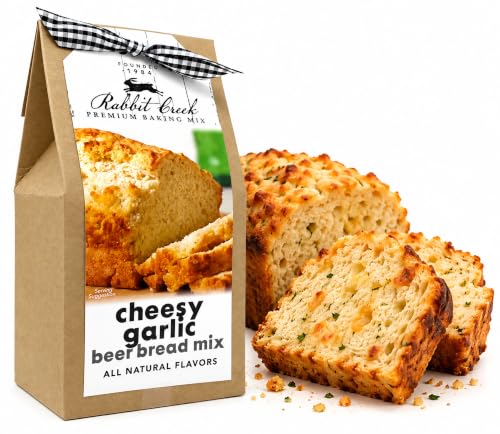
As an Amazon Associate we earn from qualifying purchases at no extra cost to you. Ratings are shown as listed on Amazon.
Quick beer bread recipe comparison
| Beer choice | Flavor | Crust and crumb | Best use | Approximate cost per loaf |
|---|---|---|---|---|
| Light beer | Mild, clean, lightly grainy | Soft crumb with a delicate crust | First-time bakers, sandwiches, breakfast | $1.25–$2.50 |
| Standard lager | Balanced malt and gentle bitterness | Golden crust and fuller bread flavor | Most savory meals | $1.50–$3.00 |
| Pale ale | More aromatic, sometimes citrusy or bitter | Firm, flavorful crust | Cheese, chili, grilled foods | $2.00–$4.00 |
| Stout or porter | Roasted, cocoa-like, coffee-like | Darker, denser-tasting loaf | Stews, smoked foods, strong cheese | $2.50–$5.00 |
The cost ranges are general estimates for the flour, beer, butter, and basic pantry ingredients, not a claim about a particular retailer. Beer prices vary considerably by region and package size.
Ingredients for one 9 x 5-inch loaf
- 360 g (3 cups) all-purpose flour, plus a little extra for the pan if needed
- 1 tablespoon baking powder
- 1 teaspoon fine salt
- 2 tablespoons granulated sugar, optional but recommended for balance
- 12 oz (355 ml) beer, poured into a measuring jug and allowed to settle briefly
- 60 g (4 tablespoons) unsalted butter, melted and divided
For a more rustic loaf, replace up to 120 g (1 cup) of the all-purpose flour with whole-wheat flour. Do not replace all the flour unless you also increase the liquid slightly, because a fully whole-wheat dough can become heavy and dry. If using salted butter, reduce the added salt to ½ teaspoon.
How to make this beer bread recipe
1. Prepare the oven and pan
Heat the oven to 375°F (190°C). Grease a metal 9 x 5-inch loaf pan with butter or cooking oil, then line the long sides with a strip of parchment paper if you want an easy lift-out.
A metal pan usually gives the most predictable crust because it transfers heat efficiently. A glass or ceramic pan can also work, but the loaf may brown differently; reduce the oven temperature by about 25°F (15°C) if your pan manufacturer recommends that adjustment for baking. A dark nonstick pan may brown the sides faster, so begin checking the loaf a few minutes early.
2. Combine the dry ingredients
Whisk the flour, baking powder, salt, and sugar in a large bowl until evenly distributed. This step matters because baking powder must be dispersed through the flour; pockets of baking powder can leave bitter-tasting spots and uneven rising.
3. Add the beer
Pour in the 355 ml of beer and add 30 g (2 tablespoons) of the melted butter. Stir with a sturdy spatula just until no large dry patches remain. The batter should be thick, sticky, and lumpy rather than smooth.
Do not beat or knead the mixture. Overmixing develops gluten and can turn a quick bread into a chewy, tight loaf. The beer’s carbonation may create a little extra lift, but the baking powder is the primary leavener, so flat beer still works.
4. Fill the pan and add butter
Scrape the batter into the prepared pan and spread it into the corners. Pour the remaining 30 g (2 tablespoons) melted butter over the top. This butter helps create a deeply golden, crisp surface and adds richness to the crust.
5. Bake until fully set
Bake for 45–55 minutes, or until the top is golden brown and a skewer inserted in the center comes out with only a few moist crumbs. If you use an instant-read thermometer, the center should be approximately 200–205°F (93–96°C).
Start checking at 45 minutes. If the top is dark but the center is not done, loosely cover the loaf with foil and continue baking in 5-minute increments.
6. Cool before slicing
Let the loaf cool in the pan for 10 minutes, then transfer it to a wire rack for at least 30 minutes before slicing. Cutting immediately can compress the warm crumb and make it seem gummy, even when the loaf is properly baked.
Beer choice: light, lager, or dark?
The beer changes the aroma and flavor more than it changes the basic structure. Use a beer you would be comfortable drinking, but avoid highly flavored varieties unless you want their character to dominate the loaf.
Light beer: the safest mild option
A light beer makes a pale, gently flavored loaf with little bitterness. It is the best choice when serving the bread with soup, eggs, sandwiches, or a meal where you do not want the bread to compete with the main dish.
Because light beer can have a less pronounced malt flavor, the optional 2 tablespoons of sugar are useful. The sugar does not make the bread dessert-sweet; it rounds out bitterness and supports browning.
Lager: the best all-purpose choice
A standard lager is the most versatile option. Its mild maltiness gives the bread more flavor than a light beer without the roasted notes of a stout or porter. Choose lager when you want one recipe that works with chili, barbecue, roasted vegetables, sausages, or cheddar.
A lager loaf usually has a golden crust and a recognizable but restrained beer aroma. For a slightly more savory version, replace the sugar with 1 teaspoon of dried rosemary, garlic powder, or black pepper.
Darker beer: the boldest choice
Stout and porter create a darker, more robust loaf with toasted, coffee-like, or chocolate-like notes. This version pairs well with beef stew, mushroom dishes, smoked foods, and strong cheeses.
Dark beer can add bitterness, especially if it is heavily roasted or strongly hopped. Keep the sugar in the recipe, and consider replacing no more than 60 g (½ cup) of the flour with whole-wheat flour. Too many intense flavors at once can make the bread heavy and overpowering.
Pan-size guidance and baking adjustments
| Pan size | Expected loaf shape | Approximate bake time | Adjustment |
|---|---|---|---|
| 8½ x 4½ inches | Taller and more domed | 50–60 minutes | Do not fill more than two-thirds full; cover the top if it browns early |
| 9 x 5 inches | Moderately tall, even slices | 45–55 minutes | Use the recipe as written |
| 8 x 8-inch square pan | Shorter, wider pieces | 30–40 minutes | Begin checking early because the batter is shallower |
| 12-cup muffin pan | Individual portions | 18–24 minutes | Fill each cup about two-thirds full; divide the batter evenly |
The 9 x 5-inch pan is the easiest choice for neat sandwich-style slices. The 8½ x 4½-inch pan is suitable when you prefer a taller loaf, but it leaves less room for expansion. A pan that is too small can cause the batter to rise over the sides before the center sets.
How to choose the right version
| Your situation | Recommended choice | Why | Main trade-off |
|---|---|---|---|
| First time making beer bread | Standard lager in a 9 x 5-inch metal pan | Balanced flavor and predictable baking | Less distinctive than a dark beer |
| Serving children or flavor-sensitive guests | Light beer | Mild aroma and low bitterness | Less malt depth |
| Pairing with chili or grilled meat | Lager or pale ale | Stronger flavor stands up to savory food | Pale ale may taste bitter |
| Pairing with stew or strong cheese | Porter or stout | Roasted notes complement rich foods | Can become bitter or dense-tasting |
| Limited oven space or quick portions | Muffin pan | Shorter bake time and easy serving | More crust and less soft center per portion |
Common mistakes and ownership realities
Using too much flour
Flour volume varies depending on how it is scooped. Weighing 360 g gives more consistent results. If measuring by cups, spoon the flour into the cup and level it rather than packing it down. An extra ½ cup of flour can make the loaf dry and crumbly.
Overmixing the batter
Mix only until the dry ingredients are moistened. A few small lumps are acceptable. The most common texture problem is not insufficient mixing but excessive stirring, which produces a rubbery or tight crumb.
Skipping the cooling period
The center continues to set as the loaf cools. Slicing after only five or ten minutes can create compressed, damp-looking slices. For the cleanest texture, wait 30 minutes; for especially neat slices, wait closer to one hour.
Storing the loaf
Store cooled beer bread in an airtight container or tightly wrapped at room temperature for up to 2 days. Refrigeration can make the crumb seem firm and dry, although it is useful if your kitchen is very warm or humid. For longer storage, wrap individual slices and freeze them for up to 2 months; thaw at room temperature or toast directly from frozen.
Cleaning the pan
Remove crumbs while the pan is still slightly warm, then wash with warm water and mild dish soap. Avoid cutting the loaf inside a nonstick pan, since a knife can damage the coating. If baked butter or batter sticks to the corners, soak the pan rather than scraping it with metal tools.
Variations that keep the recipe balanced
- Cheddar and herb: Fold in 100 g (1 cup) grated sharp cheddar and 1 tablespoon chopped chives. Use lager and reduce the added salt to ¾ teaspoon.
- Jalapeño: Add 1 finely chopped seeded jalapeño and ½ cup grated cheese. A lager or pale ale works well.
- Whole-wheat: Replace 120 g (1 cup) of all-purpose flour with whole-wheat flour. Add 1–2 tablespoons extra beer only if the batter is unusually stiff.
- Seeded crust: Brush the top with butter, then sprinkle with 1 tablespoon sesame, caraway, or pumpkin seeds before baking.
- Honey version: Replace the granulated sugar with 2 tablespoons honey. Stir it into the beer before adding the liquid to the flour.
Avoid adding large quantities of wet ingredients, such as tomatoes or sautéed vegetables, without reducing the beer. Extra moisture can leave the center underbaked. If adding more than ½ cup of wet mix-ins, reduce the beer by 2–3 tablespoons and expect a longer bake.
Frequently Asked Questions
Does beer bread contain alcohol?
Some alcohol may remain after baking, because the amount retained depends on baking time, temperature, loaf thickness, and other factors. Baking should not be treated as a guaranteed way to remove all alcohol. If avoiding alcohol is important, use a nonalcoholic beer and check its label.
Can I make this beer bread recipe without butter?
Yes. Use 3 tablespoons of neutral oil in the batter and brush the top with another tablespoon of oil. The loaf will still work, but the crust will have a slightly different flavor and may be less buttery and crisp.
Why did my beer bread turn out dense?
Common causes include too much flour, expired baking powder, overmixing, or using a pan that is too small. Measure 360 g of flour, check that the baking powder is active, and stir only until the batter comes together. A center temperature of approximately 200–205°F (93–96°C) also helps confirm that the loaf is baked through.
Can I use cold beer?
Cold beer is acceptable, although room-temperature beer combines more easily with the melted butter and flour. If the melted butter seizes into small solid pieces when it meets the beer, the bread can still bake successfully; simply stir until the mixture is reasonably combined.
What is the best beer for a first loaf?
A standard lager is the best first choice because it provides moderate malt flavor without excessive bitterness. Use a light beer if you want the mildest possible loaf, or choose a porter or stout when you specifically want roasted, darker flavors.
Can I bake beer bread in a different pan?
Yes, but pan depth changes the baking time. A 9 x 5-inch loaf pan takes about 45–55 minutes, while muffins take about 18–24 minutes and an 8 x 8-inch pan usually takes 30–40 minutes. In every format, check for a set center and a skewer that comes out with only a few moist crumbs.





Write Your Review
No reviews yet. Be the first to share your experience!