

Key takeaways
- For a silkier finish, strain through a fine-mesh sieve after blending.
- For more body, blend in 50 g day-old bread soaked in water and squeezed dry.
- Top with diced cucumber, tomato, bell pepper, basil, and a few drops of olive oil.
The best cold soup recipes depend on texture: blend roughly 2 parts watery produce to 1 part creamy or thickening ingredients for a pourable soup, or use closer to 1:1 for a spoon-thick bowl. For the freshest flavor, chill blended soups for at least 2 hours, add crunchy toppings just before serving, and adjust salt and acidity after chilling because cold temperatures mute seasoning.
Use the guide below to choose between silky blended soups, lightly blended soups with texture, and no-cook soups assembled from chopped ingredients. Each method includes practical ratios, chilling times, and topping ideas so you can match the soup to your equipment, schedule, and preferred consistency.
Our top picks

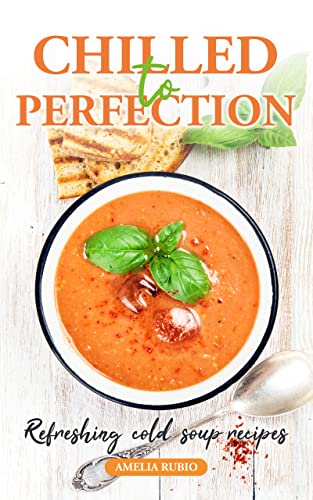

As an Amazon Associate we earn from qualifying purchases at no extra cost to you. Ratings are shown as listed on Amazon.
Quick comparison of cold soup methods
| Soup style | Best for | Typical ratio | Equipment | Chilling time | Useful toppings |
|---|---|---|---|---|---|
| Silky blended | Restaurant-smooth texture and make-ahead meals | 600 g produce, 250 ml liquid, 30–60 ml oil | High-speed blender or food processor | 2–4 hours | Herb oil, yogurt, seeds, finely diced vegetables |
| Lightly blended | Soups with noticeable vegetable pieces | 500 g produce, 150–200 ml liquid | Immersion blender or standard blender | 1–2 hours | Croutons, corn, cucumber, chopped herbs |
| Chopped and stirred | No-cook preparation and rustic texture | 3 parts chopped vegetables, 1 part dressing or broth | Knife, bowl, and whisk | 30–60 minutes | Olives, feta, beans, toasted bread |
| Creamy dairy-based | Rich, filling soups with gentle acidity | 2 parts vegetables, 1 part yogurt or buttermilk | Blender or whisk | 1–3 hours | Dill, radish, smoked fish, toasted seeds |
Best silky cold soup recipes
Classic gazpacho: the balanced all-purpose choice
Gazpacho is the most flexible starting point for cold soup recipes because ripe tomatoes provide water, acidity, sweetness, and enough body to blend without much stock. For approximately four servings, blend 900 g ripe tomatoes, 150 g cucumber, 100 g red bell pepper, 50 g onion, 1 small garlic clove, 30 ml sherry vinegar or red-wine vinegar, 60 ml olive oil, and 5 g salt.
For a smooth but not watery result, blend the vegetables first for 60–90 seconds, then stream in the oil. Add 50–100 ml cold water only if the blender struggles or the soup is thicker than desired. Chill for 2 hours, taste again, and correct with vinegar and salt before serving.
- For a silkier finish, strain through a fine-mesh sieve after blending.
- For more body, blend in 50 g day-old bread soaked in water and squeezed dry.
- Top with diced cucumber, tomato, bell pepper, basil, and a few drops of olive oil.
The main trade-off is flavor development versus freshness: overnight chilling rounds out the onion and garlic, but the soup may lose some of its bright raw-vegetable character. Keep the soup covered and refrigerated, and stir before portioning because oil and water can separate.
Chilled pea and herb soup: best for a bright green bowl
Use frozen peas rather than fresh peas when you want reliable sweetness and color. Blanch 600 g frozen peas for 2 minutes, drain, and cool immediately in ice water. Blend with 250 ml cold vegetable stock, 100 g plain yogurt, 30 ml lemon juice, 20 g mint or parsley, and 4 g salt.
The 600 g peas to 250 ml liquid ratio produces a spoonable soup. Add stock in 30 ml increments if it is too thick. Chill for 90 minutes, then check the seasoning. Lemon juice can be added before chilling, but reserve a small amount for the final adjustment.
- Top with yogurt swirled with lemon zest.
- Add crushed peas, toasted sunflower seeds, or thinly sliced radishes for contrast.
- Use olive oil instead of yogurt for a dairy-free version, adding 45–60 ml while blending.
Pea soup can turn dull green if overcooked, so keep blanching brief and cool the peas promptly. The soup is best within 24 hours, although it can remain refrigerated for up to 3 days in a sealed container.
Best lightly blended cold soup recipes
Chilled corn soup: sweet, textured, and filling
For four servings, cut the kernels from 6 ears of corn, or measure about 700 g frozen corn. Blend half the corn with 250 ml buttermilk, 100 ml cold water, 30 ml lime juice, 2 g ground cumin, and 5 g salt. Stir in the remaining corn after blending so each spoonful has texture.
For a thinner soup, use 350 ml total liquid; for a dip-like consistency, use 250 ml. Chill for 1–2 hours. If using frozen corn, thaw it first and drain excess water so it does not dilute the soup.
- Add diced avocado and coriander or parsley.
- Scatter over crumbled feta, chili flakes, or toasted pumpkin seeds.
- For smoky depth, blend in 1 teaspoon smoked paprika or top with a small amount of chili oil.
This recipe is easier to make with an immersion blender because you can stop when the desired texture is reached. A countertop blender creates a smoother base but may require working in batches; never fill a blender above its recommended maximum, especially with liquid.
Chunky cucumber and avocado soup: best when you want minimal cooking
Blend 2 large cucumbers, 1 ripe avocado, 150 g plain yogurt, 30 ml lime juice, 100 ml cold water, 10 g cilantro or dill, and 4 g salt. Blend for 30–45 seconds, leaving a little texture. Chill for 45–60 minutes rather than several hours, because avocado can darken and cucumber can release water over time.
The avocado supplies fat and body, while yogurt adds acidity and protein-rich creaminess. If the soup tastes flat, add lime juice first; if it tastes harsh, add 1–2 teaspoons of olive oil or another spoonful of yogurt.
- Top with diced cucumber, toasted sesame seeds, and herbs.
- Add cooked shrimp, shredded chicken, or white beans if serving it as a larger meal.
- Use cold water rather than stock to preserve the cucumber’s clean flavor.
Best no-cook chopped cold soup recipes
Rustic tomato and cucumber soup
For a knife-and-bowl version, dice 700 g tomatoes, 300 g cucumber, 150 g bell pepper, and 75 g red onion. Whisk together 60 ml olive oil, 45 ml red-wine vinegar, 100 ml cold water, 5 g salt, and a pinch of black pepper. Toss everything together and chill for 30–60 minutes.
This 3:1 vegetable-to-dressing proportion gives a salad-like soup that is juicy without being watery. Stir before serving and crush a small amount of the tomato against the side of the bowl if you want more liquid without blending.
- Add stale bread cubes to make a rustic panzanella-style meal.
- Top with olives, feta, basil, or a hard-boiled egg.
- For heat, add minced jalapeño or a few drops of hot sauce.
Chilled beet and apple soup
Dice 400 g cooked beetroot, 250 g crisp apple, 150 g cucumber, and 50 g shallot. Stir with 300 ml kefir or buttermilk, 30 ml apple-cider vinegar, 5 g salt, and 10 g chopped dill. Chill for at least 1 hour to let the beet color and flavor spread through the liquid.
For a smoother version, blend half the mixture and stir it back into the chopped portion. This creates a thickened base while preserving pieces of apple and cucumber. Keep the soup covered because beetroot can stain plastic containers and refrigerator shelves.
How to balance a cold soup
- Start with the produce. Choose naturally watery ingredients such as tomatoes, cucumbers, melon, zucchini, or blanched peas. Weighing the produce is more reliable than counting individual vegetables because size and water content vary.
- Add liquid gradually. Begin with about 250 ml liquid for every 600 g produce in a blended soup. You can thin the mixture, but removing excess water without changing the flavor is difficult.
- Add fat for body. Use 30–60 ml olive oil, 100–150 g yogurt, half an avocado, or a combination for each 600–700 g produce. Fat carries aroma and prevents a watery mouthfeel.
- Season before chilling, then adjust afterward. Add approximately 4–6 g salt per kilogram of ingredients as a starting point. Cold food tastes less salty and less aromatic, so final seasoning should happen after chilling.
- Include acid carefully. Start with 30 ml vinegar or citrus juice per 1 kg of produce. Add more in 5 ml increments after chilling; too much acid can overpower delicate cucumber, pea, or melon soups.
- Chill quickly and safely. Transfer soup to a shallow, covered container no deeper than about 5 cm, refrigerate promptly, and stir once it is cold. The U.S. Department of Agriculture’s general guidance is to refrigerate perishable foods within 2 hours, or within 1 hour when the surrounding temperature is above 32°C.
A worked ratio example
Suppose you have 1.2 kg of tomatoes and cucumbers and want a pourable gazpacho. At the base ratio of 600 g produce to 250 ml liquid, 1.2 kg requires approximately 500 ml liquid. However, tomatoes and cucumbers already contain substantial water, so begin with only 250 ml added liquid, plus 80 ml olive oil and 60 ml vinegar or citrus juice.
Blend the produce and seasonings first. If the soup is too thick, add cold water in 50 ml increments, stopping when it pours from a ladle in a continuous stream. Chill for 2 hours, then taste. This staged approach avoids the common mistake of adding the full calculated liquid amount to naturally watery vegetables.
Texture and topping choices that improve the final bowl
- Silky soups: Use herb oil, yogurt dots, finely diced vegetables, toasted seeds, or flaky salt. Keep toppings small so they do not overpower the smooth texture.
- Chunky soups: Add croutons, corn, cucumber, beans, olives, or chopped nuts. These toppings should be added immediately before eating so they remain crisp.
- Creamy soups: Contrast richness with citrus zest, pickled onions, fresh herbs, chili oil, or a spoonful of salsa.
- Sweet vegetable or fruit soups: Use mint, basil, yogurt, toasted coconut, granola-style seeds, or a restrained drizzle of honey.
For best presentation, reserve 10–15% of the main ingredient as a topping. For example, hold back 60 g cucumber from a 600 g cucumber soup, dice it finely, and add it just before serving. This gives the bowl a fresh aroma and a deliberate textural contrast without requiring a separate garnish recipe.
Common mistakes with cold soup recipes
- Serving immediately after blending: The ingredients may taste disconnected and the soup may seem under-seasoned. A minimum 30-minute rest helps, while 1–2 hours is better for most vegetable soups.
- Overloading the blender: Dense mixtures circulate poorly and can remain lumpy. Work in batches, leave room for movement, and follow the appliance manufacturer’s fill line.
- Adding all the water at once: Watery vegetables release more liquid during blending. Add liquid gradually and save a portion for the final adjustment.
- Using too much raw garlic or onion: Their flavor intensifies during chilling. Begin with half the amount you would use in a warm dish and increase after resting.
- Ignoring separation: Oil, water, and dairy can separate. Stir or briefly blend before serving, and add delicate toppings only after the soup is portioned.
Frequently Asked Questions
How long should cold soup chill before serving?
Most blended cold soups need 1–2 hours to become properly cold and balanced. Thick dairy-based soups can be ready in about 1 hour, while gazpacho often benefits from 2–4 hours. Taste and adjust the salt and acid after chilling.
Can cold soup be made the day before?
Yes, gazpacho, pea soup, and beet soup generally hold well for 24–48 hours in a sealed container in the refrigerator. Soups containing avocado, fresh herbs, or chopped crunchy vegetables are usually better within 24 hours. Store toppings separately so they do not soften.
How do I thicken a watery cold soup?
Blend in avocado, soaked bread, cooked potato, yogurt, beans, or additional vegetables. Add thickening ingredients in small amounts, then chill again because the texture may firm as the ingredients hydrate. Straining will not thicken a soup; it only removes solids.
Can I freeze cold soup?
Soups based on tomatoes, peas, and cooked vegetables can often be frozen for up to about 2–3 months, although texture may change after thawing. Dairy, cucumber, and avocado soups can separate or become grainy, so refrigeration is usually preferable. Thaw in the refrigerator and blend briefly before serving.
What is the safest way to store homemade cold soup?
Refrigerate it promptly in a covered, shallow container and keep the refrigerator at 4°C or below. Use clean utensils when serving and avoid leaving the soup at room temperature for more than 2 hours, or more than 1 hour in very hot conditions. When in doubt about an unusual smell, appearance, or storage history, discard it.






Write Your Review
No reviews yet. Be the first to share your experience!