
Our Short List of 3

- Best for: Debarking small logs and bushcraft carving on the move.
- Blade length: 5.3 inches
- Blade material: High-carbon steel hardened to 58 HRC
- Handle material: Ashwood
- Leather sheath with hanging hook included
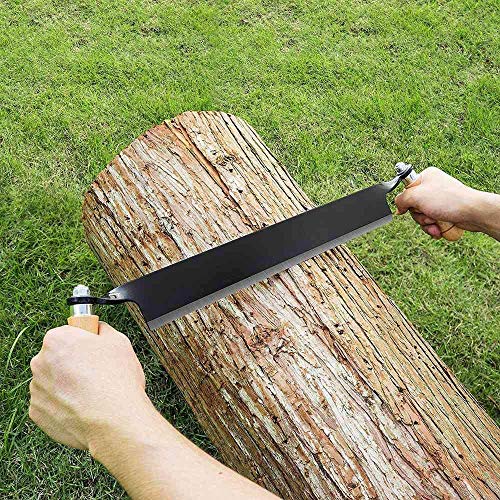
- Best for: Straight debarking and flat shaping on logs, posts, and slabs.
- Blade length: 8 inches
- Blade thickness: 5 mm
- Blade angle: 30 degrees
- Blade material: Hardened steel, HRC 30

- Best for: Fine detailing, spoon carving, and finishing small carvings.
- Blade length: 10.6 cm (4.3 inches)
- Blade thickness: 2 mm
- Blade material: High-carbon steel
- Handle material: Ashwood finished with linseed oil
All 4 Picks at a Glance
| Product | Specs | Action |
|---|---|---|
| Hutsuls Draw Knife 5.3 inch Debarking Knife with Leather Sheath |
| Check price on Amazon |
| Carmyra Draw Knife 8 inch Straight Draw Shave Woodworking Tool |
| Check price on Amazon |
| BeaverCraft DK2s Draw Knife 4.3 inch with Leather Sheath |
| Check price on Amazon |
 Flexcut KN16 5 inch Draw Knife |
| Check price on Amazon |
Key takeaways
- Find the best antique draw knife for shaping, debarking, and carving wood. Compare five traditional-pattern draw knives with specs from Amazon listings.
A draw knife is one of the oldest tools in the woodshop, and buying one in the antique style means choosing between a genuine old tool and a new tool built to the old pattern. Genuine antiques are one-off used pieces with unknown edges and worn handles, while the new listings below follow the traditional shape: a long blade with a handle at each end, pulled toward the body to shave wood. The real decision is blade length and curve, steel that holds an edge, and handles that stay comfortable through long strokes.
This guide is for woodworkers, chairmakers, spoon carvers, and bushcraft builders who want that old-pattern feel with a tool they can buy new and sharpen themselves. We picked five draw knives from Amazon titles and specs, covering short carving blades, mid-size debarking tools, and a long hand-forged blade, so you can match the tool to the work in front of you.
Quick Picks
As an Amazon Associate we earn from qualifying purchases.
| Product | Best for | Key spec from title |
|---|---|---|
| Wisemen Mueller Drawknife 9-1/2 inch Forged in Austria | Long shaping strokes and heirloom-style work | 9-1/2 inch hand-forged blade |
| Hutsuls Draw Knife 5.3 inch Debarking Knife | Compact debarking and bushcraft carving | 5.3 inch carbon steel blade with leather sheath |
| Carmyra Draw Knife 8 inch Straight Draw Shave | Straight, flat shaping on logs and posts | 8 inch straight hardened steel blade |
| BeaverCraft DK2s Draw Knife 4.3 inch | Fine detailing and spoon carving | 4.3 inch high-carbon steel blade with leather sheath |
| Flexcut KN16 5 inch Draw Knife | Curved contour carving and bowl work | 5 inch 1095 high-carbon steel blade |
How to Choose
Blade Length Sets the Job
Blade length decides what a draw knife can do in one pass. Short blades around 4 to 5 inches suit spoon carving, handle shaping, and detail work where control matters more than coverage. Mid-size blades around 8 inches cover debarking logs, shaping chair legs, and tapering posts without feeling unwieldy. Long blades near 9-1/2 inches remove stock fast on big pieces but demand more strength and a steady stance. Pick the shortest blade that still spans the work you do most, because a blade longer than the piece fights you on every stroke.
Straight or Curved Blade
A straight blade cuts flat, even surfaces and is the right pick for debarking, flattening log slabs, and shaping spindles that need true, straight lines. A curved blade, or one with a slight curve, follows concave shapes and makes hollowing seats, bowls, and curved chair parts easier. Some blades carry only a gentle curve that splits the difference, giving a little extra control on detail cuts without losing straight-line ability. Decide from the shapes you cut most, and remember that a curved edge is harder to sharpen evenly than a straight one.
Steel and Edge Holding
Draw knife blades are usually high-carbon steel or hardened steel, and the hardness rating tells you how long the edge lasts between sharpenings. A blade hardened to 58 HRC holds a keen edge through long carving sessions but needs a stone and strop to bring back when it dulls. A blade rated near HRC 30 sharpens quickly and forgives rough use on bark and knots, yet it needs honing more often. Hand-forged blades often show visible forging marks and a slightly uneven finish, which is normal for the traditional pattern and says nothing bad about the edge.
Handles, Sheath, and Safety
Two handles carry all the force of a draw knife, so grip shape and material matter as much as the blade. Wooden handles, often ashwood, absorb shock and stay grippy when hands get tired, while handles set at a slight angle give better leverage on deep cuts. A sheath or blade protector keeps the edge safe in storage and protects your hands when the tool rides in a bag. Before buying, check that the handles feel secure with no wobble, and plan where the knife will live, because an uncovered draw knife edge is a hazard in any workshop.
The 5 Best Options
Wisemen Mueller Drawknife 9-1/2 inch Forged in Austria
This is the long, hand-forged option for woodworkers who want a traditional draw knife built to be kept for years. Each blade is hand forged in Austria, and the slight curve in the 9-1/2 inch blade gives extra control when shaping chair legs, tool handles, and curved stock. The maker backs it with a lifetime warranty, and the visible forging marks are part of the old-pattern character. It suits buyers who do heavier shaping work and want one full-size draw knife rather than a set of smaller tools.
Specs
- Blade length: 9-1/2 inches with a slight curve
- Blade width: 1 inch
- Overall length: 16-1/2 inches
- Hand forged in Austria
- Wooden handles
- Lifetime warranty
Best for: Long shaping strokes on chair legs, handles, and curved stock.
Watch out for: The 1 inch blade width is narrow for fast debarking of wide logs, so check your usual stock size first.
ASIN: B00S11LRWA
Hutsuls Draw Knife 5.3 inch Debarking Knife with Leather Sheath
- Best for: Debarking small logs and bushcraft carving on the move.
- Blade length: 5.3 inches
- Blade material: High-carbon steel hardened to 58 HRC
- Handle material: Ashwood
- Leather sheath with hanging hook included
Debarking small logs and bushcraft carving on the move.
The short blade is slow on wide logs and large posts, so match it to small-diameter work.
This compact draw knife is built for debarking small logs and bushcraft carving, where a short blade and light weight beat raw coverage. The 5.3 inch carbon steel blade arrives sharp and ready to use, and the ashwood handles line up with the blade for steady, controlled pulls. A handcrafted leather sheath with a hanging hook covers the edge between jobs, which makes it easy to carry to a campsite or store on a workshop wall. It is a strong pick for carvers who work on saplings, spoon blanks, and small greenwood pieces.
Carmyra Draw Knife 8 inch Straight Draw Shave Woodworking Tool
- Best for: Straight debarking and flat shaping on logs, posts, and slabs.
- Blade length: 8 inches
- Blade thickness: 5 mm
- Blade angle: 30 degrees
- Blade material: Hardened steel, HRC 30
Straight debarking and flat shaping on logs, posts, and slabs.
The blade ships with a black protective coating that must be removed before use, and the edge may need honing before the first job.
This straight draw knife is the workhorse pick for flat, accurate shaping on logs, fence posts, and firewood. The 8 inch blade is 5 mm thick, which keeps it stiff through heavy cuts, and the 30 degree bevel cuts fast with little tear-out on softwood. Wood grip handles give a secure hold during long debarking sessions, and a rubber edge protector covers the blade for travel and storage. Timber framers, wood turners, and furniture makers who need straight, true surfaces will get the most from this one.
BeaverCraft DK2s Draw Knife 4.3 inch with Leather Sheath
- Best for: Fine detailing, spoon carving, and finishing small carvings.
- Blade length: 10.6 cm (4.3 inches)
- Blade thickness: 2 mm
- Blade material: High-carbon steel
- Handle material: Ashwood finished with linseed oil
Fine detailing, spoon carving, and finishing small carvings.
The thin blade is made for wood without bark or knots, so keep it away from rough, knotty stock.
This is the detail knife of the group, made for shaping, detailing, and spoon carving rather than rough stock removal. The 10.6 cm high-carbon steel blade is only 2 mm thick, which lets it take fine shavings and follow tight curves on spoon blanks and small carvings. Ashwood handles finished with linseed oil feel warm and secure in the hand, and the leather sheath protects the thin edge when the knife is not in use. It fits carvers who already own a larger draw knife and want a precise finishing tool.
Flexcut KN16 5 inch Draw Knife
- Best for: Contour carving on bowls, spoons, and curved surfaces.
- Blade length: 5 inches
- Blade material: 1095 high-carbon steel
- Handle material: Ergonomic ash wood
- Leather sheath included
Contour carving on bowls, spoons, and curved surfaces.
The flexible blade is not built for heavy debarking or prying, so use a stiffer knife for rough log work.
This flexible 5 inch draw knife is made for contour carving, where the blade needs to follow concave and convex curves on bowls, spoons, and sculpted shapes. The 1095 high-carbon steel blade flexes slightly under pressure, which helps it track curves without digging in, and the ergonomic ash wood handle stays comfortable through long carving sessions. A leather sheath is included to guard the edge, and the tool is made in the USA. It is a good match for carvers who shape curved work and want a small, forgiving draw knife.
Which One Fits Your Situation
You Debark Logs and Shape Posts
Pick the Carmyra 8 inch straight draw knife. Its stiff 5 mm blade and straight edge strip bark fast and leave flat, true surfaces on logs, fence posts, and slabs. The long overall length gives leverage on wide stock, and the rubber edge protector keeps the blade safe between jobs. Keep a stone nearby, since the HRC 30 edge needs regular honing on bark-heavy work.
You Carve Spoons and Small Greenwood Pieces
Pick the Hutsuls 5.3 inch draw knife or the BeaverCraft DK2s. The Hutsuls is the better all-rounder for debarking small logs and camp carving, with a sheath that makes it easy to carry. The BeaverCraft is the finer tool, with a thin blade that takes delicate shavings on spoon blanks. Either one keeps the work close and controlled.
You Want One Traditional Tool for the Workshop
Pick the Wisemen Mueller 9-1/2 inch draw knife. Its hand-forged Austrian blade, slight curve, and lifetime warranty make it the closest thing here to an heirloom tool. It handles chair legs, handles, and curved stock with control, and its full size covers more jobs than the short carving knives. Expect to sharpen it yourself and care for the wooden handles.
You Shape Bowls and Curved Surfaces
Pick the Flexcut KN16 5 inch draw knife. Its flexible 1095 steel blade follows concave and convex curves without gouging, which is exactly what bowl and spoon carving demands. The ergonomic ash handle reduces fatigue on long sessions, and the included sheath protects the edge. Pair it with a stiffer draw knife if you also debark logs.
Common Mistakes
- Buying a genuine used antique with a pitted blade and loose handles when a new traditional-pattern tool would hold an edge and stay safe.
- Choosing a blade longer than the pieces you shape, which makes control harder and leaves uneven cuts.
- Pulling a draw knife toward the body without a clear stance and a secured workpiece, which invites slips and cuts.
- Skipping the first sharpening, since many draw knives ship with a protective coating or an edge that needs honing before real work.
- Storing the knife uncovered in a drawer or tool bag, where the exposed edge dulls and becomes a hazard.
Frequently Asked Questions
What is an antique draw knife used for?
An antique draw knife is a traditional two-handled tool used to shave wood by pulling the blade toward the body. It removes bark from logs, shapes chair legs and tool handles, tapers posts, and hollows seats and bowls. The blade sits between two handles, and the user controls the depth of cut by tilting the edge. It works best on green wood and straight-grained stock.
Are antique draw knives still sold new?
Yes, several makers sell new draw knives built to the traditional pattern, with hand-forged or high-carbon steel blades and wooden handles. Genuine antiques are one-off used tools sold at flea markets and auctions, so their condition varies widely. A new traditional-pattern knife gives a known edge, solid handles, and a sheath, which makes it the safer buy for most woodworkers.
What size draw knife should a beginner buy?
A beginner should start with an 8 inch blade for general work or a 5 inch blade for carving. The 8 inch size debarks logs and shapes posts without feeling too long, while a 5 inch blade is easier to control on spoons and small pieces. Short blades forgive mistakes better, and a mid-size knife covers the widest range of first projects.
How do I sharpen a draw knife?
Sharpen a draw knife with a file or sharpening stone held flat against the bevel, working in smooth strokes along the edge. Keep the blade cool and hold the bevel angle steady, then finish with a whetstone and a leather strop for a keen edge. Always secure one handle and keep fingers behind the edge, and cover the blade with its sheath when you finish.
More from Amazon
Programs that pair well with the guide above. Offers and eligibility are set by Amazon and may change.
Set up recurring deliveries of everyday items on eligible products. Terms and savings are set by Amazon.
Explore Subscribe & SaveCollect the home and kitchen items you want in one registry that guests can shop from.
Create a wedding registryFree shipping on eligible items, Prime Video and more. Eligible new members can start with a free trial.
Start a Prime free trialAudiobooks and podcasts to listen to on the go. Eligible new members can start with a free trial.
Try Audible freeAs an Amazon Associate we earn from qualifying purchases.
Write Your Review
No reviews yet. Be the first to share your experience!