
Key takeaways
- Cooking feels like a chore when every meal repeats itself, so this best make cooking fun guide shares simple habits, small projects and playful routines.
Cooking turns into a chore when every meal repeats the same few dishes, the same rushed hour, and the same pile of washing up. The food still gets made, yet nothing about the process feels enjoyable, and the kitchen becomes a place to get through rather than a place to spend time. Making cooking fun is not about fancy equipment or complicated recipes; it is about changing small habits so the hour in the kitchen feels like time for yourself instead of another task on the list.
This guide is for home cooks who are bored of their own cooking, busy parents who want dinner to feel lighter, and anyone who would like to enjoy the kitchen again without turning every meal into a project. It covers simple habits, small projects, playful routines, and ways to share the work, so cooking becomes something to look forward to rather than something to rush through. As an Amazon Associate we earn from qualifying purchases
How to Choose
Start with one small change
The fastest way to ruin a good intention is to change everything at once. A cook who buys five new gadgets, plans a week of unfamiliar recipes, and sets a strict new routine will be exhausted by Wednesday and back to old habits by Friday. One small change is enough to start: a new playlist in the kitchen, a different herb in a familiar dish, or a single recipe tried on a quiet Sunday. Small changes stick because they cost almost nothing in time or effort, and each one that works makes the next one easier to try. Pick the change that sounds most enjoyable rather than the one that sounds most impressive, and let the habit grow from there instead of forcing it. A playlist that fits the mood can turn a routine task into a small pleasure, and a kitchen that smells of fresh herbs feels different from one that smells of nothing at all. Keep a notebook on the counter for ideas that come while cooking, since the best changes often arrive mid-recipe rather than during planning.
Cook what you actually like eating
Many home cooks plan meals around what they think they should cook rather than what they enjoy, and the kitchen soon feels like a duty. The meals that make cooking fun are the ones the cook looks forward to eating, whether that is a slow stew, a crisp salad, or a tray of roasted vegetables with good bread. Start the week by choosing one meal that genuinely excites you, and build the rest of the plan around it. When the cook enjoys the food, the chopping and stirring feel like part of the pleasure rather than a delay before it, and the table becomes a reward for the work instead of a separate event. Ask the household what they actually want to eat this week, and let the answers shape the plan instead of guessing. A meal that everyone looks forward to is cooked with more care than one nobody asked for, and the table feels warmer when the food was chosen together.
Make the kitchen a pleasant place
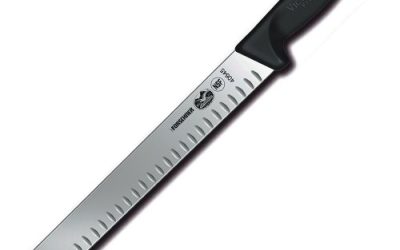
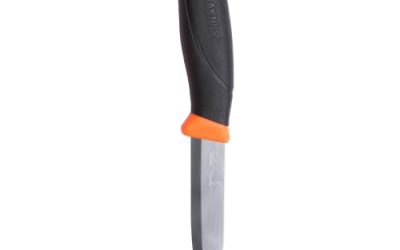
A kitchen that is cramped, dark, or cluttered makes every task harder than it needs to be. Clearing the counter before cooking starts, putting on music or a podcast, and opening a window can change the feel of the whole hour. Good light matters too: a bright lamp over the worktop makes chopping safer and the food look better, which lifts the mood without any effort. Small comforts such as a favourite apron, a comfortable pair of shoes, or a stool to sit on while something simmers all add up, and a kitchen that feels welcoming is a kitchen the cook returns to willingly. A sharp knife and a clear worktop do more for enjoyment than any gadget, since fumbling with blunt tools drains the pleasure from the simplest task. Put the tools you use every day within easy reach, and store the rest out of sight so the counter stays clear.
Give yourself a project
Routine cooking is repetitive, yet a small project gives the week a focus. A project can be as simple as learning to make bread, trying one new spice a week, or growing herbs on a windowsill and cooking with them. Projects work because they have a clear goal and a visible result: the first loaf, the first jar of pickles, or the first meal cooked entirely from the garden. Choose a project that fits the time available, since a project that demands hours every day will feel like a second job, while one that asks for twenty minutes a week will feel like play. When the project is finished, pick another and keep the sense of progress going. A project with a visible result, such as a jar of pickles or a loaf of bread, gives the week a small sense of achievement. Share the result with a neighbour or a friend, since a compliment on home cooking is one of the simplest pleasures a kitchen can offer.
Which One Fits Your Situation
A busy parent cooking every night
For parents who cook dinner every night after work, the goal is to make the routine lighter rather than longer. Cook with the children when they are old enough to stir or tear herbs, since a small helper turns a chore into shared time and the meal arrives with less grumbling. Keep a short list of fast meals that everyone likes, and rotate them without guilt, because a familiar meal cooked calmly beats an ambitious one cooked in a panic. Use the weekend to prepare one base, such as a pot of grains or a tray of roasted vegetables, that can be turned into several different dinners through the week. Let children choose one meal a week and help make it, since a child who helped cook is far more likely to eat the result without complaint. Keep the fast meals on a short list stuck to the fridge, so a tired evening never turns into a long debate about what to cook.
A new cook learning the basics
New cooks should keep things simple and build confidence one dish at a time. Start with meals that have few steps and forgiving timings, such as soups, tray bakes, and stir-fries, and cook them until they feel easy before moving on. A simple notebook for what worked and what did not helps far more than a shelf of cookbooks, since it records real experience rather than good intentions. Invite a friend to cook together once a week, because shared cooking teaches faster than solitary practice and turns a lesson into a social evening. Cook the same simple dish several times until it feels easy, then change one thing at a time and notice the difference. A notebook that records what worked becomes a personal cookbook within months, and the confidence it builds is worth more than any single recipe.
A keen cook who has lost the spark
When a keen cook feels bored, the answer is usually a new challenge rather than more of the same. Try a cuisine that is unfamiliar, cook a meal entirely from a market stall without a list, or set a small goal such as making pasta from scratch. A cooking class, even a single evening, can restart the habit of learning and put new ideas into the weekly plan. The spark returns when the kitchen feels like a place of discovery again, so chase curiosity rather than perfection and let a few imperfect meals be part of the fun. Visit a market without a list and cook whatever looks freshest, since an unfamiliar ingredient forces new thinking. A single evening class can restart the habit of learning, and a new technique practised a few times soon becomes part of the weekly routine.
Cooking alone most nights
Cooking for one can feel pointless, yet it is the best chance to cook exactly what you like without compromise. Make a meal you love, plate it properly, and sit down to eat it rather than standing at the counter, since treating your own dinner with care makes the cooking feel worthwhile. Batch cooking helps too: make a large pot of something good on Sunday, freeze it in single portions, and the week is full of meals that only need reheating. A podcast or an audiobook keeps the kitchen company, and the hour becomes a quiet pleasure rather than a lonely task. Cook a double batch of something you love and freeze half in single portions, so a busy night still ends with a good meal. Light a candle or open a window while you cook, since small comforts turn a solitary hour into a calm ritual.
Common Mistakes
- Trying to change everything at once, which leads to exhaustion by midweek and a quick return to old habits that feel easier, even when the new habits were starting to work.
- Choosing complicated recipes for a busy night, so the meal arrives late, the cook is stressed, and nobody enjoys the food, even though the recipe looked wonderful on the page.
- Cooking only what feels dutiful rather than what tastes good, which turns the kitchen into a chore instead of a pleasure, and makes the whole household dread dinner time.
- Working in a cluttered kitchen with poor light, where every task takes longer and the whole hour feels harder than it should, even for a simple meal.
- Treating a failed dish as proof of failure, when a burnt pan or a flat loaf is simply part of learning and often the funniest story of the week, told again at the next family meal.
Frequently Asked Questions
How can I make cooking fun when I am short on time?
Keep the menu short and the tools ready before you start, so the cooking itself takes less than half an hour. Choose meals with few steps, such as tray bakes and stir-fries, and let one pan do most of the work. Put on music, pour a drink, and treat the half hour as time for yourself rather than a race, since the mood of the cook shapes the meal more than the recipe does. Cook in stages when possible, so the washing up happens while the food simmers rather than piling up at the end. A tidy kitchen at the end of the meal makes the next one easier to start.
What is the easiest way to start enjoying cooking again?
Start with one meal you genuinely love and cook it well, then add one small change a week, such as a new herb, a different side dish, or a playlist in the kitchen. Small pleasures rebuild the habit faster than grand plans, and the enjoyment returns when the kitchen feels like your own space again rather than a place of obligation. Cook with a friend once a week if you can, since shared cooking teaches faster than solitary practice and turns a lesson into a social evening. Even a short call with a relative while you cook can make the hour feel shared.
Should I buy new equipment to make cooking more fun?
New equipment can help, yet it is rarely the answer on its own. A sharp knife, a good pan, and a clear counter matter more than a drawer of gadgets, since the basics decide whether cooking feels smooth or frustrating. Buy one useful tool at a time and only when a real need appears, so each purchase solves a problem instead of adding clutter. A good pan that heats evenly and a knife that holds its edge will improve almost every meal you make. Spend on the tools you touch every day, and leave the single-use gadgets on the shelf.
How do I get children interested in cooking?
Give children small, safe jobs such as stirring, tearing herbs, or washing vegetables, and let them choose one meal a week to help with. Praise the effort rather than the result, and accept a little mess as part of the process. Children who cook are more likely to eat what they made, and the kitchen becomes a shared place rather than a room they are told to leave. Let children taste as they go and ask what they think, since a child who helped season a dish owns the result. Keep the jobs small and safe, and accept that the kitchen will need a quick clean afterwards.
More from Amazon
Programs that pair well with the guide above. Offers and eligibility are set by Amazon and may change.
Set up recurring deliveries of everyday items on eligible products. Terms and savings are set by Amazon.
Explore Subscribe & SaveCollect the home and kitchen items you want in one registry that guests can shop from.
Create a wedding registryFree shipping on eligible items, Prime Video and more. Eligible new members can start with a free trial.
Start a Prime free trialAudiobooks and podcasts to listen to on the go. Eligible new members can start with a free trial.
Try Audible freeAs an Amazon Associate we earn from qualifying purchases.



Write Your Review
No reviews yet. Be the first to share your experience!