

Key takeaways
- Described as an all purpose seasoning, so one container covers most tasks
- Gallon format usually brings a low cost per ounce
- Limit: far more volume than a small household may finish
Soy sauce looks like the simplest bottle in the pantry, yet the label choices split quickly: all-purpose or lighter, wheat-brewed shoyu or wheat-free tamari, a jug for heavy use or a small bottle for occasional cooking. The right pick depends on what leaves your stove most often, whether that is stir-fries, braises, marinades or a dipping dish beside dumplings.
This guide is for home cooks who want one dependable bottle, or two with different jobs. Each option below is described from its listing details only, so use the notes to narrow the field and then read the full ingredient list before buying.
Quick Picks
| Product | Best for | Key detail from the title |
|---|---|---|
| Kikkoman Traditionally Brewed | All-purpose cooking | 1 gallon, all purpose seasoning |
| 365 Organic Shoyu Reduced Sodium | Small households, organic shoppers | 10 ounce, organic, reduced sodium |
| Kikkoman Lite | Big-batch cooking with a milder profile | 64 ounce bottle, Lite |
| Lee Kum Kee Soy Sauce | Marinades, stews, dipping | 64 ounce, vegan, non-GM soybeans |
| La Choy Soy Sauce | Weeknight stir-fries | 15 ounce, gluten-free per listing |
| Yamaroku Tsuru Bishio | Finishing, sushi, special dishes | 18 ounce, barrel aged 4 years |
| San-J Gluten Free Tamari | Wheat-free kitchens, bulk use | 64 ounce jug, 100% soy, kosher |
| San-J Organic Tamari | Wheat-free, lower-sodium bottle | 10 ounce, organic, 50% less sodium |
How to Choose
Read the ingredient list first
Traditional soy sauce is built from soybeans, salt, water and often wheat, but listings differ. Tamari-style bottles usually lean on soy alone. If a title says “100% soy” or “no wheat”, confirm it in the ingredient panel. Anyone with allergies or celiac disease should read the full allergen statement and ask a clinician or dietitian about their needs.
Match bottle size to how often you cook
A gallon or 64-ounce jug makes sense if you marinate weekly. Sauce kept for months in a large container may lose its edge, so a 10 or 15 ounce bottle suits occasional use. Compare value by dividing the cost tier by ounces, not by bottle.
Look for certifications only when named
Some listings name organic, kosher, vegan or non-GM labels. Read these as the seller’s description and look for the matching mark on the bottle. Where a listing says “reduced sodium” or “50% less sodium”, the comparison is against that brand’s own regular version, so check the nutrition panel.
Think about storage and flavor fit
Unopened bottles keep in a cool cupboard; many makers suggest refrigerating after opening for flavor, so follow the label. Lighter, all-purpose styles typically suit everyday cooking, while darker, sweeter, aged styles typically work better as a finishing drizzle.
The 8 Best Options
Kikkoman Traditionally Brewed Soy Sauce
As an Amazon Associate we earn from qualifying purchases at no extra cost to you.
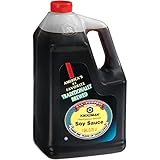
This is the familiar all-purpose bottle, sold here in a gallon size that suits restaurants, large families or anyone who fills smaller bottles for the counter. It is a flexible default for stir-fries, fried rice, glazes and quick marinades, and the brand is widely stocked, so refills are easy to find.
- Described as an all purpose seasoning, so one container covers most tasks
- Gallon format usually brings a low cost per ounce
- Limit: far more volume than a small household may finish
Skip it if your kitchen uses soy sauce only now and then, or if you need a wheat-free option.
365 by Whole Foods Market Organic Shoyu Reduced Sodium

A compact 10 ounce bottle for cooks who want an organic, reduced sodium shoyu without committing to a jug. Shoyu is the Japanese term for soy sauce, and this one is labeled organic. It fits couples and small kitchens where a bottle should be finished before it goes stale.
- The listing names organic and reduced sodium
- Small bottle is easy to store and gift-free to use up
- Limit: shoyu typically contains wheat, so confirm on the label
Skip it if you cook large batches or need a certified wheat-free sauce.
Kikkoman Lite Soy Sauce

This 64 ounce bottle is a middle path: the same familiar brand as the all-purpose gallon, in a lighter style and a size that fits a busy pantry. It suits soups, noodle dishes and marinades where you want to season gradually and keep the sauce from dominating. Always compare the nutrition panel against the all-purpose version before assuming the difference.
- The Lite label points to a milder profile, so confirm sodium on the panel
- Large bottle helps value per ounce
- Limit: the title gives no certifications or wheat-free claim
Skip it if you want a darker, richer, finishing-style sauce.
Lee Kum Kee Soy Sauce

The listing pitches this 64 ounce jug at marinades, stews, sauce mixes, stir-frying, drizzling and dipping, which makes it a true utility bottle. It also notes vegan and non-GM soybeans, a plus for plant-based households. Because the bottle is large, many cooks decant a week’s worth into a smaller dispenser.
- Listing describes it as vegan with non-GM soybeans
- Broad use list covers braises through dipping dishes
- Limit: bulk size demands cupboard space
Skip it if you need a gluten-free sauce or only cook with it occasionally.
La Choy Soy Sauce

A 15 ounce bottle aimed at weeknight stir-fries, meal prep and marinades. The listing describes it as gluten-free and as fitting a low carb lifestyle, which will interest readers tracking those labels. As always, the listing description is a starting point and the ingredient panel is the final word.
- Mid-size bottle works for regular home cooking
- Listing describes it as gluten-free
- Limit: smaller volume costs more per ounce than a jug
Skip it if you want an artisan, slow-fermented flavor or a bulk container. Anyone with celiac disease or diabetes should read the full label and check with a clinician.
Yamaroku Shoyu Tsuru Bishio

This 18 ounce bottle sits at the premium end. The listing describes a dark, sweet Japanese shoyu, barrel aged for 4 years and traditionally fermented, positioned for sushi and cooking. A bottle like this is usually bought for flavor rather than volume, so use it where the sauce is front and center.
- Barrel aging and traditional fermentation named in the title
- Dark, sweet profile typically suits finishing and dipping
- Limit: premium tier for a bottle you might not want to cook with daily
Skip it if you mostly need a workhorse sauce for large marinades.
San-J Gluten Free Tamari Soy Sauce

A 64 ounce family jug of tamari made with 100% soy and no wheat, per the listing, which also names kosher and vegan. Tamari typically has a rounder, deeper flavor that works in dipping sauces and glazes. The jug is a practical buy for households that cook wheat-free every week.
- Listing describes it as wheat-free, kosher and vegan
- Jug size lowers cost per ounce for frequent cooks
- Limit: not made for light, quick seasoning if you prefer thin sauce
Skip it if you rarely cook with soy sauce and would not finish a jug.
San-J Organic Gluten Free Tamari with 50% Less Sodium

The 10 ounce counterpart to the family jug adds organic and a 50% less sodium description. It suits small kitchens, lunch-box sauces and cooks who like to adjust salt at the table. Organic and wheat-free are both named in the title, though the label should confirm each.
- Listing names organic, wheat-free and 100% whole soy
- Compact bottle stays fresh in a small household
- Limit: smaller size means a higher cost per ounce
Skip it if you want to buy once and cook for a crowd.
Which One Fits Your Situation
You cook Asian-style meals every week
Go with the Kikkoman Traditionally Brewed gallon or the Lee Kum Kee 64 ounce jug, both sized for regular use. Pour into a small dispenser to keep the counter tidy.
You avoid wheat
The two San-J tamari bottles are the listed wheat-free picks here, with La Choy described as gluten-free as well. Compare the allergen statements side by side.
You want one bottle for finishing and dipping
Yamaroku Tsuru Bishio is the choice for sushi nights and dumpling dips, where a darker, sweeter shoyu shows.
You cook for one or two
The 365 Organic Shoyu or San-J Organic Tamari keeps volume manageable so the bottle does not linger.
Common Mistakes
- Assuming every soy sauce is gluten-free; many contain wheat, so read the allergen line.
- Buying a gallon for a household that uses a few tablespoons a month.
- Comparing bottles by sticker size instead of cost per ounce.
- Using “reduced sodium” as a one-for-one swap without adjusting the salt as you cook.
- Skipping the label on certifications such as organic or kosher instead of relying on the listing text alone.
Frequently Asked Questions
What is the difference between shoyu and tamari?
Shoyu is the general Japanese term for soy sauce and usually includes wheat. Tamari is typically brewed with little or no wheat and has a deeper flavor. Read each ingredient panel to be sure.
Does soy sauce need refrigeration after opening?
Many makers suggest it for best flavor, but follow the instructions printed on your bottle. Unopened bottles generally sit fine in a cool, dark cupboard.
Can one soy sauce replace another in a recipe?
Often yes, but salt levels differ between styles. Start with a smaller amount and adjust at the end of cooking.
Is soy sauce safe for people with allergies?
Soy sauce contains soy, and many types contain wheat. Anyone with food allergies, celiac disease or other medical needs should check the full label and talk to a clinician or dietitian.





Write Your Review
No reviews yet. Be the first to share your experience!