

Key takeaways
- Large bag keeps the per-serving cost in the budget-to-mid range tier for frequent bakers
- Described as keto certified and zero net carbs in the title
- Limit: a big bag is a lot of storage if you only sweeten one mug a day
Swapping the sweetener in your morning coffee is easy. Swapping it in a batch of muffins is where things go sideways, because bulk, browning and sweetness all change at once. The real decision is whether you want a spoonable blend that behaves like sugar in measuring cups, or a concentrated powder or liquid drop that you dose in tiny amounts.
This guide is for home cooks who already know they want a monk fruit option and need help sorting bags, bottles and drops by how they will actually be used. Every pick below is monk fruit based; stevia-only products are not in this lineup, so the stevia side of the question is left for another day.
A practical way to shop is to decide the job first. Coffee and tea drinkers can ignore bulk entirely, while anyone planning pancakes, quick breads or a fruit crisp should look for a granulated blend that measures easily and mixes evenly into dry ingredients.
Quick Picks
| Product | Best for | Key detail from the title |
|---|---|---|
| Monk Fruit In The Raw | Big-batch baking | 3 LB bag, keto certified |
| DureLife Organic Monk Fruit | Pure powder fans | 5 oz, no erythritol, no fillers |
| NOW Foods Organic Monk Fruit | Coffee and tea | 2 fl oz liquid |
| Morning Pep Pure Monk Fruit | Label readers | Extract powder, no erythritol |
| Lakanto Classic Monk Fruit | Cup-for-cup style swaps | 8.29 oz, with erythritol |
| Monk Fruit Drops | Portable dosing | 1.7 oz, 167 servings |
| Lakanto Liquid Monk Fruit Drops | Smoothies and drinks | 1.76 fl oz, 260 servings |
| Splenda Monk Fruit Liquid Drops | Stocking up | 3.38 fl oz, pack of 2 |
How to Choose
Read the ingredient list first
Monk fruit extract is intensely sweet, so most granulated products add a bulking ingredient. Some listings state “with erythritol,” others say “no erythritol” or “no fillers.” Neither is automatically better; it depends on whether you want sugar-like volume or a pure concentrate. If the title is unclear, check the ingredient list on the listing.
Match the form to the job
Granulated blends scoop and level like sugar, which makes recipe math simple. Powders and liquid drops are far more concentrated and are measured in pinches or drops. Baking with a concentrate usually means you lose the bulk sugar provides, so expect to adjust the recipe rather than swap one for one.
Compare value per serving, not per package
A bag, a small jar and a bottle of drops are not comparable by size alone. Where a title gives a serving count, such as 167 or 260 servings, divide your expected use against it. For bagged products, compare ounces against how often you bake. Sort your options into budget, mid-range and premium tiers by cost per serving.
Certifications and storage
Only trust labels the listing actually names, such as keto certified, organic, non-GMO or kosher. Consider these the seller’s description, and read the full label and allergen statement. Anyone with diabetes or other medical needs should check with a clinician or dietitian before changing sweeteners. Store dry products sealed and away from humidity so they do not clump; keep liquids capped and follow the label for refrigeration.
The 8 Best Options
Monk Fruit In The Raw, 3 LB Bag
As an Amazon Associate we earn from qualifying purchases at no extra cost to you.

The size is the story here. A 3 LB bag suits households that bake weekly or sweeten a lot of iced tea. The listing calls it a substitute for white sugar and mentions baking, which points to a granulated, measurable format.
- Large bag keeps the per-serving cost in the budget-to-mid range tier for frequent bakers
- Described as keto certified and zero net carbs in the title
- Limit: a big bag is a lot of storage if you only sweeten one mug a day
Skip it if you want a small first purchase to see whether you like the flavor.
DureLife Organic 100% Pure Monk Fruit

This is the purist option on the list. The title names no erythritol and no fillers, plus keto certified, OU Kosher and a USDA organic claim that is cut off in the listing, so confirm it on the page. A 5 oz size is small, which fits a concentrate.
- Pure extract with no bulking agent listed
- Kosher and organic labels named in the title
- Limit: concentrated powder will not measure like sugar in a standard recipe
Skip it if you want a one-to-one swap in cookies or cakes.
NOW Foods Organic Monk Fruit Liquid

A 2 fl oz bottle is built for beverages. Liquids dissolve instantly in cold coffee, kombucha or lemonade, which is where granulated sweeteners tend to settle at the bottom.
- Liquid form blends into cold drinks without stirring for long
- Title lists organic and zero-calorie
- Limit: small bottle and no baking bulk
Skip it if your goal is a bag for muffins or a sugar-style topping on oatmeal.
Morning Pep 100% Pure Monk Fruit Extract Powder
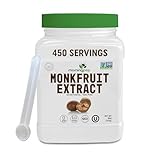
Another extract-only powder, this one lists no erythritol and says non-GMO Project Verified, keto certified and OU kosher. The title is cut off after that, so read the rest of the listing for the full ingredient details.
- Extract powder suits cooks who like to dose precisely
- Several certifications are named in the title
- Limit: concentration means a learning curve in recipes
Skip it if you want something that spoons like sugar.
Lakanto Classic Monk Fruit Sweetener with Erythritol

This 8.29 oz option blends monk fruit with erythritol, so it carries bulk that is easier to use in coffee, tea and baking. The title calls it a white sugar substitute and zero calorie.
- Bulked format is simpler for recipe conversions
- Title names coffee, tea, baking and cooking as uses
- Limit: contains erythritol, which some people prefer to avoid
Skip it if the words “no erythritol” are a must on your shopping list.
Monk Fruit Drops, 1.7 oz

The title promises 167 servings from a small bottle and says no erythritol. That makes it easy to toss in a bag for a desk or a trip.
- Pocket-sized format with a high stated serving count
- Extract only, per the title
- Limit: described as 15X sweeter than sugar, so overdosing is easy at first
Skip it if you plan to bake large batches that need sugar-like volume.
Lakanto Liquid Monk Fruit Extract Drops, Original

With 260 servings in 1.76 fl oz, this bottle is aimed at daily drink sweetening. The listing says erythritol free and names coffee, tea and smoothies.
- Highest serving count of the liquids here
- Original flavor is a neutral starting point
- Limit: not a baking bulk replacement
Skip it if you prefer a granulated product you can sprinkle.
Splenda Monk Fruit Liquid Drops, Pack of 2

Two 3.38 fl oz bottles make this the stock-up choice among liquids. The title lists it as a zero calorie sweetener.
- Two bottles reduce reorder frequency
- Familiar brand name for shoppers who like to stay with one sweetener line
- Limit: the title gives little ingredient detail, so read the label
Skip it if you want a certified-organic or extract-only product.
Which One Fits Your Situation
You bake most weekends
Start with Monk Fruit In The Raw for its 3 LB size or Lakanto Classic for a bulked blend. Both are easier to scoop than a concentrate.
You only sweeten drinks
Go with Lakanto Liquid Drops for the 260-serving count, or NOW Foods Organic Liquid if organic is a priority.
You want a pure, short-label option
DureLife and Morning Pep both state no erythritol, which makes them the closest to a single-ingredient approach in this list.
You travel or work from an office
Monk Fruit Drops fit in a pocket, and Splenda Monk Fruit Drops give you a spare bottle for a drawer.
Mixing formats is perfectly reasonable: a small liquid for the thermos and a granulated bag at home covers most routines without forcing one product to do every job.
One more habit worth building: write the product name and the conversion you settled on on the container or in your recipe notes. Sweeteners look alike in a pantry, and a concentrate mistaken for a granulated blend is the fastest way to ruin a batch of brownies.
Common Mistakes
- Swapping a concentrate one-for-one for sugar and wondering why the batter is thin.
- Ignoring the erythritol line on the listing when it matters to you.
- Buying the biggest bag before knowing you like the aftertaste.
- Leaning on “keto” or “zero net carbs” as a substitute for reading the full label; anyone with diabetes should check with a clinician or dietitian.
- Forgetting to look for allergen statements, especially on blends and flavored drops.
Frequently Asked Questions
Is monk fruit sweetener the same as stevia?
No. They come from different plants. Monk fruit sweeteners are extracted from a fruit, while stevia comes from a leaf. This list covers monk fruit only.
Why do some products include erythritol?
Monk fruit extract is very concentrated, so makers often add a bulking ingredient so you can measure by the spoonful. Pure extracts list no erythritol.
Can I bake with liquid drops?
You can sweeten batters, but drops do not replace the bulk or browning that sugar provides. Granulated blends are usually the more forgiving format for baking.
Do I need to worry about allergens?
Always read the full ingredient and allergen label. Anyone with allergies, diabetes or other medical needs should check with a clinician or dietitian.




Write Your Review
No reviews yet. Be the first to share your experience!