

The best egg poaching pan for most kitchens is a 4-cup stainless-steel pan with a removable, nonstick egg insert, a vented glass lid, and a thick base that works on your stovetop.
That configuration balances the things that matter after repeated breakfasts: enough capacity for a small household, cups that release cleanly, a lid that keeps steam inside without dripping excessively, and materials that tolerate frequent washing. A six- or eight-cup model is better for batch cooking, while a compact two-cup pan makes more sense when storage space is limited.
Our top picks
 Egg Poacher
- NEW & IMPROVED LARGER 75ml CUPS WITH PFOA…
- Unlike the delicate poacher pans on the market,…
- This deluxe poacher pan features a convenient Bakelite…
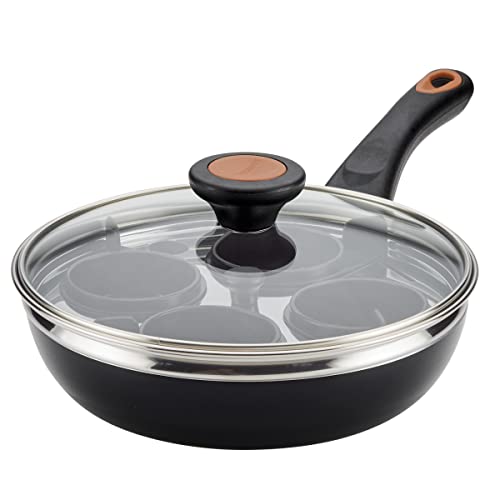 Farberware Glide Copper Ceramic Egg Poacher Pan
- FAST, EVEN HEATING: Make poached eggs without sticking…
- This egg poaching pan boasts CopperSlide(tm) technology for…
- Egg poachers with four nylon cups easily poach…
 Eggssentials Egg Poacher Pan Nonstick Poached Egg
- 75ML cups hold XL and Jumbo eggs
- Unlike the delicate poacher pans on the market,…
- This deluxe poacher pan features a convenient Bakelite…
| Product | Key specs | |
|---|---|---|
| Egg Poacher | NEW & IMPROVED LARGER 75ml CUPS WITH PFOA… Unlike the delicate poacher pans on the market,… This deluxe poacher pan features a convenient Bakelite… | Check price |
| Farberware Glide Copper Ceramic Egg Poacher Pan | FAST, EVEN HEATING: Make poached eggs without sticking… This egg poaching pan boasts CopperSlide(tm) technology for… Egg poachers with four nylon cups easily poach… | Check price |
| Eggssentials Egg Poacher Pan Nonstick Poached Egg | 75ML cups hold XL and Jumbo eggs Unlike the delicate poacher pans on the market,… This deluxe poacher pan features a convenient Bakelite… | Check price |
 Eggssentials Egg Poacher Pan Nonstick Coating Eggssentials Egg Poacher Pan Nonstick Coating | NEW & IMPROVED LARGER 75ml CUPS WITH PFOA… Unlike the delicate poacher pans on the market,… This deluxe poacher pan features a QUICK-COOL BAKELITE… | Check price |
As an Amazon Associate we earn from qualifying purchases at no extra cost to you.
Best egg poaching pan choices by situation
| Kitchen situation | Best pan type | Useful specifications | Main compromise |
|---|---|---|---|
| One or two people, occasional use | Compact 2-cup pan | About 7–8 inches wide; 18–24 oz total weight | Limited batch capacity |
| Regular breakfasts for two to four people | 4-cup stainless-steel poacher | About 8–10 inches wide; 2–3 quart water capacity | Usually taller than a standard skillet |
| Family breakfasts or meal preparation | 6- or 8-cup poacher | Typically 10–12 inches wide; 4–6 quart water capacity | More storage space and longer heating time |
| Induction cooktop | Magnetic stainless-steel model | Flat base, roughly 7–10 inches across; induction-compatible marking | Some inexpensive models have uneven heating |
| Lowest purchase price | Thin stainless or aluminum pan with coated cups | Often about $20–$35; usually 4 cups | Lighter lid and faster wear on the coating |
| Longest ownership | Heavy-gauge stainless pan with replaceable or removable insert | About 2.5–4 pounds; riveted handle preferred | Commonly $40–$80 |
Our preferred configuration: a four-cup stainless-steel poacher
A four-cup pan is the practical middle ground. It can cook four eggs at once without requiring the broad footprint of a family-size model, and it leaves enough water around the insert to generate steady steam. For most households, that is more useful than choosing a pan solely by its maximum egg count.
Look for a pan body made from stainless steel, ideally with a thick encapsulated base. Stainless steel does not depend on a surface coating for its basic function, so scratches on the exterior are not a reason to replace it. The insert may still be nonstick, because egg white is especially prone to catching around the cup rim. A removable insert also makes the pan easier to clean and lets you use the lower pan for steaming other foods.
The typical market range is approximately $25–$80. The lower end can work well for occasional use, but often has a thin base, loose-fitting cups, or a lid that rattles during steaming. Paying more is most worthwhile when the pan will be used several times each week.
Insert design matters more than the cup count
Individual removable cups
Separate cups are the easiest design to handle. You can lift out one egg without disturbing the others, and a damaged or worn cup may be replaceable. Check that each cup has a firm rim and a handle or tab that remains cool enough to grasp after steaming. Very shallow cups can produce eggs with broad, thin whites; deeper cups generally give a more compact shape.
One-piece perforated insert
A single insert is sturdy and quick to position, but removing one egg can be awkward. It also has more corners and underside surfaces where cooked egg can collect. This design is suitable when all the eggs are served together, but less convenient when diners want different cooking times.
Silicone cups
Silicone cups usually release eggs easily and avoid metal-on-coating contact. Their weaknesses are flexibility and heat retention: a soft cup can be difficult to carry when full, and thin silicone may tip while you are filling it. Choose cups with a rigid support frame or a reinforced rim rather than unsupported, floppy liners.
Pan materials and stovetop compatibility
Stainless steel is the safest all-purpose choice for durability. It may develop water spots or rainbow discoloration, but those are cosmetic and can usually be reduced with a mild citric-acid or vinegar-based cleaner. Avoid abrasive scouring pads on polished surfaces.
Aluminum heats quickly and keeps the pan light, but uncoated aluminum can discolor and may react with some cleaning products. Many aluminum poachers therefore use a nonstick interior or a stainless-steel base. Check the manufacturer’s care instructions before using high heat.
For induction, the water pan must have a magnetic, flat base. A stainless-steel insert alone does not make the whole product induction-compatible. A simple magnet test on the underside can help: if it does not cling firmly, the pan will not heat directly on most induction cooktops. Gas and conventional electric burners are more forgiving, although a base that is much smaller than the burner may heat slowly and unevenly.
Do not assume that a pan advertised as “stovetop” is safe for an oven. Handles, silicone components, and tempered-glass lids may have lower temperature limits. Egg poachers are designed for stovetop steaming, so oven compatibility is rarely an important advantage.
Lid fit: the overlooked performance test
A good lid should sit securely, leave enough headroom above the eggs, and allow steam to escape in a controlled way. A vent is helpful because it reduces the chance of vigorous bubbling or a lid that lifts and rattles. However, an oversized vent can let too much steam escape and lengthen cooking time.
Glass lids are useful for checking progress without releasing heat. The rim should overlap the pan by at least a few millimeters, and the handle should be firmly attached rather than held by a small screw that loosens after repeated washing. A lid that drips condensation directly into the egg cups can dilute the whites and create uneven surfaces, so a sloped interior or steam vent is preferable.
Cooking and setup: a repeatable method
-
Fill the lower pan with water to the maker’s suggested level, usually below the insert rather than touching the egg cups. Too little water can boil dry; too much can splash into the eggs.
-
Bring the water to a gentle simmer before adding the eggs. Starting with cold water makes timing less consistent, especially on electric cooktops.
-
Lightly oil the cups if they are not freshly nonstick. Use a thin film, not a puddle, because excess oil gathers around the white.
-
Crack each egg into a cup and check that no shell fragments are present. For uniform results, use eggs of similar size and temperature.
-
Cover the pan and cook for roughly 4–7 minutes, depending on egg size and the desired yolk. Begin checking early; residual heat continues cooking the eggs after the pan is removed.
-
Lift the insert carefully, allow excess water to drain, and remove the eggs with a silicone spoon or small nonmetal spatula.
As a practical capacity calculation, four large eggs occupy approximately 200–240 milliliters before cooking. A four-cup insert therefore needs enough clearance for each egg to expand without touching the lid. If the cups are only 60 milliliters each, oversized eggs or added ingredients can cause overflow; cups around 75–100 milliliters provide more forgiving headroom.
Cleanup after repeated use
Cleanup is where inexpensive pans often become frustrating. Rinse the insert soon after serving so egg residue does not dry around the cup rims. Soak stuck-on egg in warm water for 10–15 minutes, then use a soft sponge. Avoid metal utensils, steel wool, and powdered abrasives on nonstick cups.
Wash the water pan separately. Mineral deposits from hard water can build up around the base, especially when the pan is repeatedly boiled nearly dry. A short soak with diluted white vinegar can loosen scale, but rinse thoroughly and follow the care instructions for coated or aluminum parts. Dry all components before storing them together; trapped moisture encourages odors and can corrode unprotected metal.
The coating on the cups is usually the first component to wear. Scraping, stacking the insert against other cookware, and placing hot cups into cold water accelerate damage. If the coating begins to peel, replace the insert or the pan rather than trying to restore it. A loose lid knob, warped insert, or base that rocks on the cooktop are also signs that replacement is more sensible than repair.
What to prioritize before buying
- Capacity: Choose four cups for most households; choose six or eight only if you regularly serve a larger group.
- Insert: Prefer removable cups or an insert with generous drainage and easy access around each egg.
- Base: Confirm induction compatibility separately from general stovetop compatibility.
- Lid: Look for a stable fit, adequate height, and a vent or controlled steam outlet.
- Cleaning: Check whether the cups are dishwasher-safe, but hand-washing is usually kinder to nonstick coatings.
- Storage: Measure the pan with its lid attached; tall handles and domed lids can make a supposedly compact model difficult to store.
For an occasional cook on a budget, a simple four-cup model with removable coated cups is sufficient. For frequent use, the better long-term choice is a heavier stainless-steel pan with a thick base, a secure vented lid, and an insert that can be removed without flexing. That combination costs more initially but addresses the parts most likely to affect everyday reliability: even heating, clean release, stable steaming, and manageable cleanup.








Write Your Review
No reviews yet. Be the first to share your experience!