

The best madeleine pan for French madeleines is a heavy-gauge metal pan with sharply molded shell ribs, 12 evenly sized cavities, and a dependable nonstick or traditional light-colored finish: choose a cast-aluminum pan for the deepest definition and tallest humps, a thick aluminized-steel pan for durability and easy release, or a silicone pan only when storage matters more than browning.
Our top picks
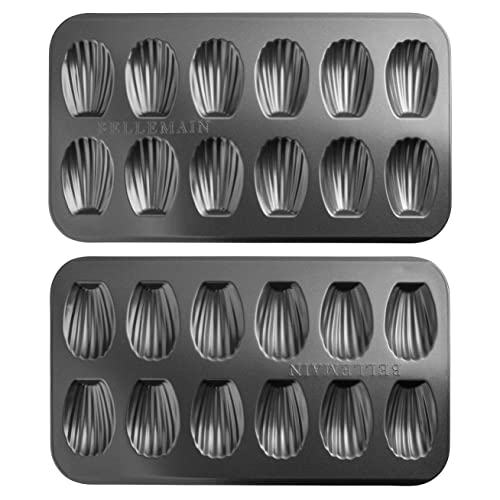 Bellemain Nonstick Madeleine Pans
- Classic Madeleine Pan: Bake 12 light, shell-shaped French-style…
- Signature Shell Baking Pan: Twelve ridged cavities shape…
- Durable Carbon Steel Body: This sturdy madeleine pan…
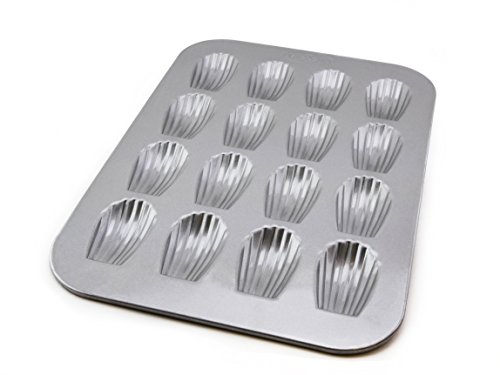 USA Pan Bakeware Nonstick Madeleine Pan
- Perfect for delicious French madeleines that bake evenly…
- Made from Aluminized steel
- Madeleine pan is finished with USA Pan’s proprietary…
 Madeleine Pan
- 🧁 Premium Madeleine Pan for Classic French Cookies:…
- 🐚 12 Classic Shell Cavities with Defined Ridges:…
- ✨ PFOA-Free Nonstick Coating for Easy Release: The…
| Product | Key specs | |
|---|---|---|
| Bellemain Nonstick Madeleine Pans | Classic Madeleine Pan: Bake 12 light, shell-shaped French-style… Signature Shell Baking Pan: Twelve ridged cavities shape… Durable Carbon Steel Body: This sturdy madeleine pan… | Check price |
| USA Pan Bakeware Nonstick Madeleine Pan | Perfect for delicious French madeleines that bake evenly… Made from Aluminized steel Madeleine pan is finished with USA Pan’s proprietary… | Check price |
| Madeleine Pan | 🧁 Premium Madeleine Pan for Classic French Cookies:… 🐚 12 Classic Shell Cavities with Defined Ridges:… ✨ PFOA-Free Nonstick Coating for Easy Release: The… | Check price |
 HONGBAKE Nonstick Madeleine Pan 2 Pack 12-Cavity HONGBAKE Nonstick Madeleine Pan 2 Pack 12-Cavity | 2 Pack packaging Madeleine Pan enables you to… A delicate, fluted shape is part of what… The Whitford-reinforced for exceptional release, the two-layer coating… | Check price |
As an Amazon Associate we earn from qualifying purchases at no extra cost to you.
Quick picks by baking situation
| Situation | Best choice | Why it fits | Typical price range in 2026 |
|---|---|---|---|
| Maximum shell definition | Nordic Ware-style cast-aluminum madeleine pan | Rigid metal and deep ridges produce crisp edges and a pronounced shell pattern | $30–$45 |
| Frequent baking and easy release | USA Pan-style aluminized-steel pan | Heavy steel resists warping and a coated surface reduces sticking | $25–$40 |
| Traditional French technique | Uncoated tin-plated or tinned-steel pan | Excellent browning when properly buttered and floured, but requires more preparation | $25–$60 |
| Occasional baking or limited storage | Flexible silicone madeleine mold | Lightweight and easy to store, though shells and browned edges are usually softer | $12–$25 |
What matters in the best madeleine pan for French madeleines
Shell definition
Look at the depth and sharpness of the ridges rather than the number of cavities alone. A good French madeleine has a recognizable shell on one side and a rounded, slightly domed back. Shallow grooves create a generic scalloped cake; narrow, clean ribs create the ridged outline associated with a classic madeleine.
Cast aluminum generally gives the clearest definition because it can be molded with relatively deep, precise details while remaining rigid. Thick steel pans can perform just as well when their cavities are deeply formed. Silicone reproduces the shape, but its flexibility can soften the edges as the batter spreads.
Cavity size and shape
Most standard pans hold 12 madeleines, with cavities approximately 3 to 4 inches long and 1¼ to 1½ inches wide. Large “restaurant” or jumbo cavities may hold fewer than 12 and need longer baking. Small cavities produce daintier cakes but are less forgiving: a few extra grams of batter can erase the hump and spill over the shell.
For a dependable first purchase, choose a 12-cavity standard pan. It is easier to match recipes, portions, and baking times than an unusually large or miniature mold. Check the cavity depth as well as the length. A long, shallow cavity encourages a thin cake, while a deeper cavity gives the batter room to rise.
Metal thickness and heat behavior
Thin sheet metal heats quickly but is more likely to buckle, develop hot spots, or darken the bottom before the center sets. A pan around 0.8 to 1.2 mm thick is a practical target for steel. Cast-aluminum pans are usually thicker and more rigid, but their performance depends heavily on the alloy, coating, and finish.
Heavy metal is not automatically better in every oven. It stores more heat, so a well-preheated heavy pan can brown the edges efficiently. It also takes longer to cool between batches. If your oven runs hot or your madeleines frequently have dark undersides, a lighter-colored pan and a lower rack position may solve more than changing recipes.
Nonstick durability
Nonstick coating makes release easier, especially for beginners, but it is the part most likely to wear first. Madeleine ridges are difficult to clean, and repeated scraping with knives or abrasive pads can damage the coating. A coated pan should be washed by hand with a soft sponge, dried promptly, and stored so another pan cannot grind against its surface.
Do not assume that “nonstick” means no preparation is needed. A thin coating of softened butter is still useful for the first several batches, particularly with recipes containing little fat or honey. Avoid aerosol baking sprays unless the manufacturer permits them; propellants and residue can accumulate in detailed cavities.
Head-to-head: the main pan types
Cast aluminum
This is the strongest all-round choice when shell definition and hump formation are priorities. The rigid body holds its shape, the deep cavities give the batter structure, and the metal transfers heat efficiently. Nordic Ware’s madeleine pans are a recognizable example of this category.
The trade-offs are weight, hand-washing, and the possibility of a darker underside if the pan is placed too close to a heating element. Cast aluminum also needs careful handling: banging it against a sink or stacking heavy cookware on it can damage decorative finishes or coatings.
Aluminized steel
Aluminized steel combines a steel core with an aluminum surface, giving it good rigidity and useful heat distribution. USA Pan and Chicago Metallic are established names associated with professional-style bakeware, though cavity design varies by model. This type is a strong choice for someone who bakes madeleines several times a month and wants a pan that tolerates regular use.
Its shell definition can be excellent, but compare individual cavity molds. Some commercial pans have ribs that are less dramatic than cast-aluminum designs. Coated versions are convenient; uncoated versions demand more careful buttering and flouring.
Traditional tin or tinned steel
Traditional French-style metal gives excellent browning and a classic baking experience, but release depends on technique. Brush every cavity thoroughly with clarified butter or softened butter, dust lightly with flour, and tap out the excess. Repeating the process after washing is part of ownership rather than an optional step.
This option suits experienced bakers who value crisp, golden edges and do not mind preparation. It is less forgiving when the batter is cold, the pan is inadequately greased, or the cakes are unmolded too late.
Silicone
Silicone is attractive for small kitchens because it is light, flexible, and easy to store. It releases cakes with little force and will not rust. However, it is the weakest choice for pronounced humps and crisp shells. The mold must sit on a rigid baking sheet, and the extra flexibility can allow the batter to spread before it sets.
How pan choice affects the hump
The “hump” is created by the interaction of chilled batter and a hot pan, not by the pan alone. Rest the batter in the refrigerator for at least 1 hour, or overnight for deeper flavor and a more consistent rise. Preheat the metal pan according to the recipe when the method calls for it, but do not preheat an empty silicone mold.
Fill each cavity roughly two-thirds full. As a useful measurement, a standard cavity commonly takes about 20 to 25 grams of batter, though the exact capacity varies. For a 12-cavity pan holding 24 grams per cavity, the batch requires approximately 288 grams of batter:
12 cavities × 24 grams = 288 grams
Weighing the batter is more reliable than using a spoon. Overfilling produces flat tops, spilled batter, and fused edges; underfilling creates thin madeleines with little central rise.
Release and maintenance: what determines ownership satisfaction
- Grease the grooves: Use a pastry brush to work butter into every rib, especially at the narrow ends.
- Use the right flour layer: With an uncoated pan, dust lightly after buttering. Too much flour leaves pale, rough patches.
- Let the cakes settle briefly: Wait about 2 to 5 minutes after baking, then loosen the edges and invert the pan. Leaving them until completely cool can make caramelized edges stick.
- Clean gently: Soak residue in warm water instead of picking at ridges with metal tools.
- Inspect the coating: If scratches, flaking, or persistent sticking appear, replace a coated pan rather than trying to scour it back to performance.
The first failure point is usually not the metal body but the finish, followed by bent corners or warped thin steel. A heavy pan kept dry and handled without abrasive tools can last many years. Silicone does not rust, but it can retain oily odors and may become permanently stained.
Our buying verdict
For most home bakers, the best madeleine pan for French madeleines is a 12-cavity, heavy cast-aluminum or aluminized-steel model with sharply defined shells and a reputable coating. Choose cast aluminum when the visual shell pattern and classic hump matter most. Choose thick aluminized steel when you bake frequently and want a practical balance of durability, release, and price. Choose traditional tin only if you are comfortable with careful greasing and flouring, and choose silicone primarily for storage convenience.
Before buying, verify the cavity count, cavity dimensions, total pan size, washing instructions, and whether the surface is coated. Those details predict the finished cakes more accurately than a product description that simply says “French madeleine pan.”
Frequently asked questions
Should a madeleine pan be light or dark?
A light-colored pan gives you more time before the bottoms become deeply browned. A dark nonstick pan absorbs heat more aggressively and may need a slightly lower oven temperature or shorter bake. Follow the recipe, then adjust based on the color of the underside.
Can I use cooking spray instead of butter?
Sometimes, but butter is more dependable for detailed molds and contributes to browning. If using spray, select one approved for bakeware and clean the pan thoroughly after each use.
Why do my madeleines stick even in a nonstick pan?
Common causes include insufficient greasing in the ribs, batter that contains little fat, an underbaked center, or waiting too long before unmolding. Chill the batter, prepare the pan carefully, and release the cakes while they are warm but structurally set.








Write Your Review
No reviews yet. Be the first to share your experience!