

The best brioche mold for French baking is a fluted metal mold—preferably tinned steel or heavy-gauge aluminum—for the most traditional shape, crispest ridges, and dependable browning; choose silicone only when easy release matters more than crust.
Our top picks
 Silpat Flexipan Brioche Bundt Cake Perfect Baking
- 100% French artisanal manufacturing: On average 10 days…
- The Flexipan brioche bundt cake mold is the…
- High durability: High lifetime, up to 3,000 uses,…
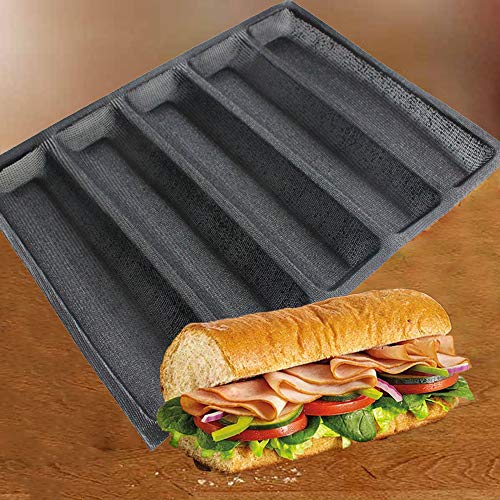 FETESUR Silicone Perforated Baking Form Sandwich Mold
- Durable Silicone Material: Made from food-grade silicone and…
- Perforated Design: Features perforations to allow steam to…
- Microwave and Oven Safe: Can be used in…
 Silpat The Original Mini-Brioche Baking molds
- 8 hole molds will allow you to get…
- Non-stick coating.
- Durable, long lasting and easy to clean.
As an Amazon Associate we earn from qualifying purchases at no extra cost to you.
Quick recommendation by baking situation
| Situation | Best mold type | Useful size | Why it fits |
|---|---|---|---|
| Traditional brioche à tête | Fluted tinned steel or aluminum | 18–22 cm diameter | Sharp pleats, strong browning, classic French profile |
| First-time brioche baker | Nonstick fluted metal | 20 cm diameter | Good structure with easier release and less preparation |
| Individual breakfast brioches | Small metal or silicone fluted molds | 8–10 cm diameter | Shorter baking time and easy portioning |
| Frequent baking and professional-style results | Heavy aluminum or tinned steel | 18–24 cm diameter | Durable, responsive, and more resistant to shape distortion |
| Occasional baking, simplest cleanup | Flexible food-grade silicone | 8–22 cm diameter | Usually releases easily and can go in the dishwasher |
What makes a mold suitable for French brioche?
French brioche is a rich, yeast-raised dough containing substantial butter and eggs. It needs a mold that supports a soft dough during its final rise and transfers enough heat to set the outer crumb before the center over-expands. A fluted wall creates the familiar ridges, while a narrower base and wider upper profile help produce the traditional brioche silhouette.
The classic brioche à tête uses a large fluted mold with a rounded body and a small ball of dough placed on top. A straight-sided cake pan can bake the dough, but it will produce a loaf rather than the recognizable French form.
Fluted shapes: narrow pleats or broad ridges?
Deep, narrow flutes
Deep flutes create a more pronounced traditional appearance and increase the mold’s surface area. They are a good choice for brioche à tête, but the grooves need thorough greasing because baked dough can cling at the narrowest points. They also take slightly longer to wash by hand.
Broad, shallow flutes
Shallow flutes are more forgiving. Butter and flour reach the corners more easily, and a soft brioche usually releases with less coaxing. The finished brioche looks less dramatic but is practical for regular home baking.
Plain-sided molds
A plain-sided mold is easier to clean and can be useful for brioche loaves or filled brioche. It is not the best choice if the goal is the classic French fluted shape.
Material comparison: crust, release, and care
| Material | Typical wall thickness | Release performance | Browning | Cleaning requirements |
|---|---|---|---|---|
| Tinned steel | 0.4–0.8 mm | Very good when well buttered and floured | Deep, traditional browning | Hand-wash, dry immediately, avoid soaking |
| Heavy aluminum | 1.0–2.0 mm | Good; improves with baking spray or butter and flour | Even and moderately strong | Hand-wash; avoid harsh alkaline cleaners |
| Nonstick metal | 0.6–1.2 mm | Excellent when coating is intact | Good, sometimes slightly paler | Soft sponge; no metal utensils or abrasive pads |
| Silicone | Usually 1.5–3.0 mm | Very good for soft, moist dough | Paler sides and softer crust | Often dishwasher-safe; remove grease from grooves |
| Ceramic | 3–6 mm | Variable; requires careful greasing | Gentle, steady browning | Hand-wash preferred; avoid thermal shock |
Tinned steel is the closest match to traditional French bakery equipment. It conducts heat efficiently and produces a firm, well-colored crust, but it is not carefree: prolonged soaking or storage while damp can lead to rust.
Aluminum is lighter and usually more resistant to corrosion. It heats evenly and is a strong all-purpose choice, particularly in a heavier gauge. Bare aluminum may discolor over time, which is cosmetic rather than a baking failure.
Nonstick metal offers the easiest release for beginners, but the coating is the component most likely to wear first. Scratching, overheating an empty mold, or stacking unprotected molds can shorten its useful life.
Silicone is flexible and convenient, but it does not provide the same crisp edge or deep browning as metal. For a tall brioche, place a flexible silicone mold on a rigid baking sheet so it does not twist when moved.
Choosing the right diameter and dough quantity
Diameter alone does not determine capacity: depth and wall shape matter too. As a practical starting point, fill a brioche mold with dough to about one-third of its height before proofing. The dough should rise close to the rim, or slightly above it, before baking.
| Mold size | Approximate dough weight | Yield | Typical baking range at 175–190°C |
|---|---|---|---|
| 8 cm individual mold | 70–100 g | 1 individual brioche | 15–22 minutes |
| 10 cm individual mold | 120–160 g | 1 generous individual brioche | 20–28 minutes |
| 18 cm large mold | 450–600 g | 4–6 portions | 30–40 minutes |
| 20 cm large mold | 600–750 g | 6–8 portions | 35–45 minutes |
| 22–24 cm large mold | 800–1,000 g | 8–10 portions | 40–55 minutes |
These are starting points rather than universal formulas. A very deep mold accepts more dough than a shallow mold of the same diameter. If the dough rises more than expected, bake by internal doneness as well as color: the center should be set, not wet or compressible.
Release performance: the preparation matters
Even the best brioche mold can fail if the dough is placed into a cold, dry, deeply fluted surface. For tinned steel or bare aluminum, soften butter and brush a thin, complete layer into every groove. Dust with a light coating of flour, then tap out the excess. For very rich or high-sugar dough, a flour-and-butter coating is more reliable than butter alone.
Nonstick molds generally need only a light coating, especially when new. Excess spray can build a sticky film in the flutes. Silicone normally releases without coating, although a thin film of butter can improve the exterior color and flavor.
Let the baked brioche stand for around 5–10 minutes before turning it out. Removing it immediately can tear a fragile crumb; leaving it in the hot mold for too long can create steam-softened sides.
Ownership realities and cleaning
- Tinned steel: Wash briefly with warm water and a soft brush, dry completely, and rub a very thin film of neutral oil over the interior if the manufacturer recommends it. Do not put it away damp.
- Aluminum: Avoid dishwasher detergent and strongly alkaline cleaners, which can darken or pit the surface. A soft sponge is sufficient for ordinary residue.
- Nonstick: Never cut inside the mold or use a metal knife to loosen the brioche. Once the coating becomes visibly scratched or starts sticking despite proper preparation, replacement is safer than aggressive scrubbing.
- Silicone: Wash the grooves thoroughly because butter can collect there. A dishwasher may be convenient, but check the maker’s temperature and rack guidance.
- All types: Do not stack fluted molds without protection. The ridges can rub against neighboring surfaces, damaging coatings and bending thin metal.
Is a premium mold worth the cost?
General market prices vary by size and finish, but individual molds commonly range from about $5–$15 each, standard metal molds from $15–$45, and heavy professional-style or specialty molds from roughly $40–$90. Silicone sets may appear economical, but check whether the material is thick enough to hold its shape.
For example, a $30 metal mold used twice a month for five years costs:
$30 ÷ 120 uses = $0.25 per bake
That calculation favors a durable metal mold for regular bakers. For only two or three bakes per year, the easier cleanup of silicone may be more valuable than maximum crust quality.
Final verdict
Choose a heavy fluted tinned-steel mold for the most traditional French brioche, a heavy aluminum mold for a durable everyday alternative, and a nonstick fluted mold when reliable release is your priority. Select an 8–10 cm mold for individual brioches and an 18–22 cm mold for a classic large brioche. Silicone is the sensible occasional-use option, but expect softer sides and less pronounced browning.
The ideal purchase is therefore not the largest or most heavily coated mold. It is the fluted size that matches your dough quantity, made from metal if crust and shape matter most, with enough depth to support the rise and a cleaning routine you will actually maintain.








Write Your Review
No reviews yet. Be the first to share your experience!