

Key takeaways
- Use metal for anything you want browned, crisp or fast, such as cookies, sheet-pan vegetables and cakes with a tender crust.
Use metal for anything you want browned, crisp or fast, such as cookies, sheet-pan vegetables and cakes with a tender crust; use glass for casseroles, lasagna and bakes where you want to see the sides and keep food hot at the table; and use ceramic for slow, gentle baking and serving, such as gratins, fruit crisps and baked pasta. The material changes how heat reaches your food, so the right pan is mostly about matching the result you want.
This guide breaks down how each material behaves in the oven, where each one shines and what to watch for. It is written for home bakers who own a mix of pans and wonder why the same recipe browns differently from one dish to the next. Recipes and oven habits vary, so use the maker’s care instructions on any pan as the final word in 2026.
How Each Material Handles Heat
Heat moves into food through conduction from the pan, radiation from oven walls and air circulation. Pan material controls how quickly the pan itself heats and how long it holds that heat afterward, and thickness, color and surface finish add further variation. That is why identical batter can look pale in one pan and deeply golden in another.
Metal Heats Fast and Cools Fast
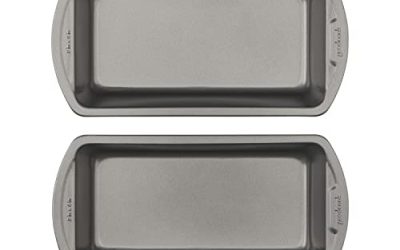
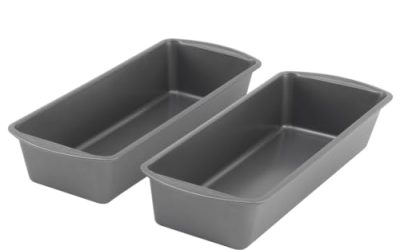
Aluminum and steel pans conduct heat quickly, so edges set and brown early. Light-colored metal reflects some heat and produces gentler browning, while dark or nonstick-coated metal absorbs more heat and browns faster. Because metal also cools quickly once it leaves the oven, it is good for baking that should stop on time, like cookies, biscuits and brownies that you do not want to keep cooking on the counter.
Glass Heats Slowly and Holds Heat
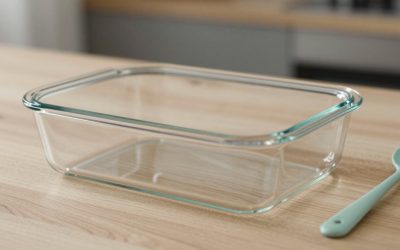
Glass is a poor conductor at first, so it takes longer to get hot, but once it is hot it holds onto that heat for a long time. That can mean slightly longer bake times, edges that keep cooking after the pan is removed, and a dish that stays warm at the table. Because you can see through glass, it is easy to check the bottom crust of a pie or the sides of a casserole, which makes it a forgiving choice if you are still learning how your oven runs. Glass also does not stain or hold odors the way some plastics and coated pans can.
Ceramic Is Slow, Steady and Decorative
Ceramic and stoneware behave like glass in that they heat gradually and then retain heat. They tend to be thicker, which gives gentle, even cooking that suits custards, gratins and baked pasta. Many are attractive enough to go from oven to table, which saves a serving dish and keeps food warm.
Choosing by Heat Behavior
If a recipe wants browned edges or a crisp base, reach for metal. If it wants slow, even heat and a warm dish at the table, reach for glass or ceramic. When you swap materials, expect to adjust the time or temperature slightly and watch the first bake closely.
Side-by-Side Comparison
| Feature | Metal | Glass | Ceramic |
|---|---|---|---|
| Heating speed | Fast | Slow to start | Slow to start |
| Browning | Strong, especially dark pans | Moderate, can brown edges | Gentle and even |
| Heat retention after baking | Low | High | High |
| Best for | Cookies, cakes, roasted vegetables | Casseroles, lasagna, pies | Gratins, crisps, baked pasta |
| Weight | Light | Medium to heavy | Heavy |
| Serving at the table | Usually not | Often yes | Often yes, with style |
| Sensitivity to sudden temperature change | Low | Higher, avoid shocks | Moderate, follow instructions |
| Acidic foods | Bare aluminum may react | Non-reactive | Non-reactive |
Best Uses by Dish
Match the pan to the dish, and the recipe often improves without any other change. Think of the list below as a starting point, not a rulebook, since your oven, rack position and recipe all play a part.
- Cookies, scones and biscuits: metal sheet pans for even, quick browning.
- Layer cakes and brownies: metal for tender edges, though glass can make edges firmer.
- Casseroles and lasagna: glass or ceramic, which hold heat and are friendly to acidic sauces.
- Fruit pies: glass lets you see the bottom crust, while metal can give a crisper base.
- Roasted vegetables: metal pans for caramelization.
- Baked custards and gratins: ceramic for gentle, even heat.
Care and Safety Basics
Glass and ceramic can crack under sudden temperature shifts, so avoid moving a hot dish onto a cold or wet surface, and do not add cold liquid to a hot dish. Let hot bakeware rest on a dry towel or trivet. Metal pans can warp if exposed to extreme heat or rapid cooling, and nonstick coatings scratch if cut with sharp tools. Check whether a piece is rated for oven, broiler or stovetop use, since not every dish handles every method. If a dish is chipped or cracked, retire it rather than risking a break in the oven. For cleaning, soak baked-on residue instead of scraping with metal tools, and let glass and ceramic cool fully before washing. Metal pans that develop rust spots or flaking coatings are also due for replacement.
Before You Buy
- List the three things you bake most often and pick the material that suits them first.
- Check the oven-safe temperature printed on the maker’s label or instructions.
- Decide whether you need a dish that can go from oven to table.
- Think about storage, since glass and ceramic are heavier and bulkier than metal.
- Consider cleaning habits, such as dishwasher use or hand washing for nonstick coatings.
- Look for lids if you plan to carry or store food in the same dish.
Converting Recipes Between Materials
Many recipes are written for one specific type of pan. When you switch to glass, some bakers lower the oven temperature slightly and watch for edge doneness, because glass retains heat. When you switch to dark metal, the same logic applies in reverse, since the pan may brown faster than the recipe expects. Rather than relying on a fixed rule, check the dish early and use visual cues like color, edge pull-away and a clean toothpick. A sheet of foil over the top can slow browning if the exterior is getting dark before the center sets.
Mistakes People Make When Swapping Pans
Most bakeware problems come from changing material without changing expectations. A cake that sets perfectly in a light metal pan can end up with dark, dry edges in a glass dish, and a lasagna that bubbled nicely in ceramic may go soggy on the bottom in a thin sheet pan. Common slips include:
- Using a dark nonstick pan at the temperature written for a light aluminum one, which browns the bottom early.
- Setting a hot glass dish on a wet counter or a cold stovetop and risking a crack.
- Cutting directly in a metal nonstick pan with a knife, which scratches the coating.
- Baking acidic tomato dishes in bare, uncoated aluminum, which can leave a metallic taste.
- Pulling a glass pan out and leaving food inside to finish cooking on retained heat, then finding it overdone.
A simple fix is to keep one familiar pan for each task. If you want brownies with chewy edges, stay with one pan and one temperature, so you learn how that setup behaves instead of guessing each time.
Related guides
- How To Clean Copper Cookware Without Damaging Tin Lining
- How To Choose A Food Processor For Home Cooking
- Carbon Steel Woks For Gas Stoves 14 Inch
Frequently Asked Questions
Is glass or metal better for baking cake?
Metal is usually preferred because it heats evenly and browns gently. Glass works, but bakers often note firmer edges and slightly longer bake times.
Can I use glass bakeware for roasting vegetables?
You can, but vegetables usually brown better on metal. Glass is better for dishes with sauce or moisture where you want gentle heat.
Is ceramic bakeware safe for the oven?
Most ceramic bakeware sold for baking is made for oven use, but confirm the maker’s temperature limit and any restrictions on broilers or sudden temperature changes.
Do I need all three types?
Not necessarily. A metal sheet pan and a baking dish in glass or ceramic cover most home cooking, and you can add specialty pieces as needs arise.
More from Amazon
Programs that pair well with the guide above. Offers and eligibility are set by Amazon and may change.
Set up recurring deliveries of everyday items on eligible products. Terms and savings are set by Amazon.
Explore Subscribe & SaveCollect the home and kitchen items you want in one registry that guests can shop from.
Create a wedding registryFree shipping on eligible items, Prime Video and more. Eligible new members can start with a free trial.
Start a Prime free trialAudiobooks and podcasts to listen to on the go. Eligible new members can start with a free trial.
Try Audible freeAs an Amazon Associate we earn from qualifying purchases.
Write Your Review
No reviews yet. Be the first to share your experience!