

Key takeaways
- Strength: versatile as a marinade, glaze or dipping sauce.
- Strength: the listing names vegan and no preservatives.
- Limit: its flavor profile differs from a traditional smoky American sauce.
Pick a barbecue sauce by how you will use it, and the shelf gets simpler fast. A thick sauce brushed on during the last minutes of grilling behaves differently than a thin one used as a marinade, and a dipping sauce for nuggets has little in common with a bottle meant for a rack of ribs.
This guide is for backyard grillers, oven cooks and weeknight dinner-makers choosing among eight familiar bottles, from a Japanese-style sauce to a full gallon jug. Notes come from the listing titles and general category traits, so look at the ingredient list on each product page before deciding.
Quick Picks
| Product | Best for | Key detail from the title |
|---|---|---|
| Bachan’s Japanese Barbecue Sauce, The Original | Marinades and stir-fry glazes | 17 oz bottle, non GMO, no preservatives, vegan |
| Sweet Baby Ray’s Original | Classic sweet sauce for the family | 28 oz bottle |
| Kraft Sweet Brown Sugar | Dipping and sweet glazes | 18 oz, slow-simmered |
| Kraft Original Slow-Simmered | All-purpose smoky sauce | 18 oz, thick texture, hint of sweetness |
| 365 by Whole Foods Market Original | Store-brand everyday bottle | 19.5 oz |
| Stubb’s Original | Large family cookouts | 36 oz |
| Grocery Honey BBQ | Wings and chicken | 18 oz, honey style |
| Cattlemen’s Kansas City Classic | Caterers and big gatherings | 1 gallon jug, tangy and sweet |
How to Choose
Check the ingredient list and sweetness
Most barbecue sauces start with a tomato base and add sweeteners, vinegar and spices. Compare where sugar, honey or brown sugar appears on the list. Sauces with sweeteners near the top typically brown and burn faster on a hot grill, so brush them on late. If the title lists labels like non GMO, vegan or no preservatives, the listing is describing that product, but the label is the final word.
Match thickness to the job
Thick sauces cling to ribs and burgers. Thinner, soy-based styles soak into meat as a marinade and work in stir-fries. A title that mentions “thick texture” or “dip” gives you a clue. If you plan to marinate, a thinner bottle often makes more sense.
Compare size and value per ounce
Bottles here run from 17 ounces to a full gallon. Divide the listing price by the ounces to compare, then sort each bottle into budget, mid-range or premium. A gallon only saves money if you will finish it, and a smaller bottle suits a household that uses sauce sparingly. Squeeze bottles are easier to control at the grill, while a jug usually means decanting into something smaller.
Storage and flavor fit
Opened sauces are usually refrigerated; follow the storage directions on the bottle. Flavors fall into broad groups: smoky, tangy, sweet, honey and Kansas City style. Choose the profile your family eats, and keep one milder option if kids or guests are at the table. Spicy and peppery versions exist across the category, so look for heat words in the title or description if you want them, and read the label if you need to avoid them. Anyone avoiding allergens or managing a medical diet should read the full label and ask a clinician or dietitian.
The 8 Best Options
Bachan’s Japanese Barbecue Sauce, The Original
As an Amazon Associate we earn from qualifying purchases at no extra cost to you.

Not a classic American sauce, this 17 ounce bottle is a Japanese-style barbecue sauce, listed as cold-filled, non GMO, free of preservatives, vegan and BPA free. It typically leans savory-sweet, which suits stir-fries, grilled skewers and marinades more than a rack of smoked ribs.
- Strength: versatile as a marinade, glaze or dipping sauce.
- Strength: the listing names vegan and no preservatives.
- Limit: its flavor profile differs from a traditional smoky American sauce.
Skip it if you want a thick, tomato-forward sauce for ribs.
Sweet Baby Ray’s Original Barbecue Sauce

A well-known sweet-style sauce in a 28 ounce bottle, which is generous for a household that grills regularly. The title offers no extra claims, so the ingredient list on the product page is the place to confirm what is in it.
- Strength: larger 28 ounce bottle for frequent grilling.
- Strength: simple, classic style that many families recognize.
- Limit: the title names no certifications or dietary labels.
Skip it if you prefer tangy or less sweet sauces.
Kraft Sweet Brown Sugar Slow-Simmered Barbecue Sauce

The brown sugar version is described as slow-simmered and usable as a condiment, marinade or dipping sauce, in an 18 ounce bottle. The sweeter profile suggests it suits chicken tenders, meatballs and glazed ribs. The listing also states nutrition figures in the title, so read the label for the complete picture.
- Strength: described as multi-purpose for dipping and marinating.
- Strength: 18 ounce bottle sits easily in a refrigerator door.
- Limit: brown sugar styles can scorch on a very hot grill.
Skip it if you want a smoky, less sweet sauce.
Kraft Original Slow-Simmered Barbecue Sauce
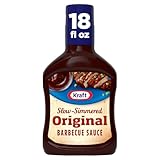
The original version is described as a bold, smoky sauce with a hint of sweetness and a thick texture, in an 18 ounce bottle. Thick sauces typically coat meat well, so it makes sense for burgers, pulled pork sandwiches and oven-baked chicken.
- Strength: thick texture described in the title.
- Strength: smoky profile with only a hint of sweetness.
- Limit: the title is cut off, so confirm other details on the listing.
Skip it if you want a honey-forward or sweeter bottle.
365 by Whole Foods Market Original Barbecue Sauce

A store-brand original in a 19.5 ounce bottle, aimed at shoppers who want a plain, dependable sauce. With no extra labels in the title, check the ingredient list for sweeteners, thickeners and spice. It fits weeknight dinners, sandwiches and casual cookouts.
- Strength: 19.5 ounces of original-style sauce.
- Strength: simple listing with no confusing claims.
- Limit: no flavor description beyond “original.”
Skip it if you want something with a distinctive regional character.
Stubb’s Original BBQ Sauce

The 36 ounce bottle is a family-size pour, listed as the original style. It is the sensible choice when you have a long grilling season or a crowd to feed, and it leaves room to season sparingly and add more at the table.
- Strength: a big 36 ounce bottle that reduces reordering.
- Strength: original style that suits many meats.
- Limit: large and heavy for a small refrigerator door.
Skip it if you rarely grill or want to try several flavors.
Grocery Honey BBQ Sauce

This house-label honey barbecue sauce comes in an 18 ounce bottle. Honey styles typically skew sweet and sticky, which fits wings, chicken thighs and pork chops. The title is short, so look at the ingredient list for the honey content and any added spices.
- Strength: honey flavor that suits poultry.
- Strength: 18 ounce bottle in the budget tier.
- Limit: no dietary or certification labels in the title.
Skip it if you dislike sweet sauces.
Cattlemen’s Kansas City Classic BBQ Sauce, 1 Gallon

The jug size is the headline: one gallon of Kansas City style sauce, described as tangy and sweet for pork, wings and chicken. It targets caterers, tailgate hosts and big families, where a single bottle would run out quickly.
- Strength: gallon jug for large gatherings.
- Strength: tangy and sweet flavor described in the title.
- Limit: needs refrigerator space once opened and a plan to finish.
Skip it if you cook for one or two people.
Which One Fits Your Situation
Wings and chicken for a crowd
Grocery Honey BBQ handles chicken nicely, and Cattlemen’s Kansas City Classic in the gallon jug makes sense if the guest list is large. Brush either one on in the final minutes so the sugars caramelize without charring.
Everyday burgers and sandwiches
Sweet Baby Ray’s Original, Kraft Original and 365 by Whole Foods Market Original all fit a weeknight routine without surprises.
You want a savory marinade
Bachan’s Japanese Barbecue Sauce is the strongest choice, since its style leans toward marinating and glazing.
You cook for a big family or host often
Stubb’s Original at 36 ounces is the middle option between a standard bottle and a gallon. Pair it with a smaller bottle of something different, such as Bachan’s, so guests who prefer a savory sauce have a choice.
Common Mistakes
- Brushing sugary sauce on at the start of a hot grill session, when it can burn.
- Buying a gallon without checking refrigerator space.
- Assuming every barbecue sauce is gluten free or vegan without reading the label.
- Using a thick sauce when a thin marinade is needed.
- Skipping allergen statements on shared-facility bottles.
Frequently Asked Questions
When should I add barbecue sauce while grilling?
Sugary sauces typically go on during the last few minutes so they glaze without burning. Thinner marinades can go on earlier. For oven cooking, brush once partway through and again just before serving, so the surface turns glossy without drying out.
Do I need to refrigerate barbecue sauce?
Follow the directions printed on the bottle. Many sauces are refrigerated after opening.
Are these sauces suitable for special diets?
Of these titles, only Bachan’s names vegan. For any other dietary need, read the full ingredient and allergen label, and check with a clinician or dietitian.
Can I use barbecue sauce as a marinade?
Thinner sauces work better for marinating. Thick, sugary ones can scorch, so use them as a finishing glaze. If you do marinate, set aside a portion of sauce before it touches raw meat, and never reuse the marinade as a finishing sauce unless it has been boiled first.




Write Your Review
No reviews yet. Be the first to share your experience!