

Key takeaways
- Best Overall: Optimum Nutrition Gold Standard 100% Whey
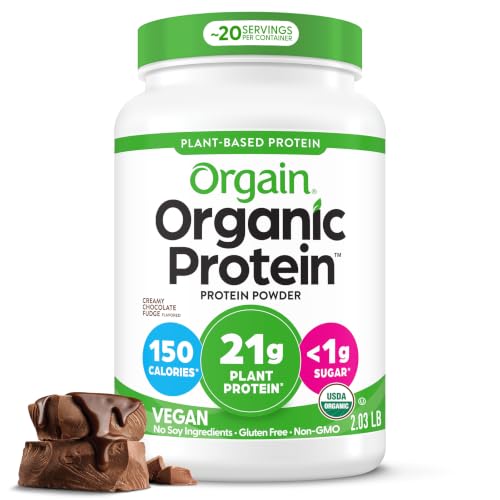
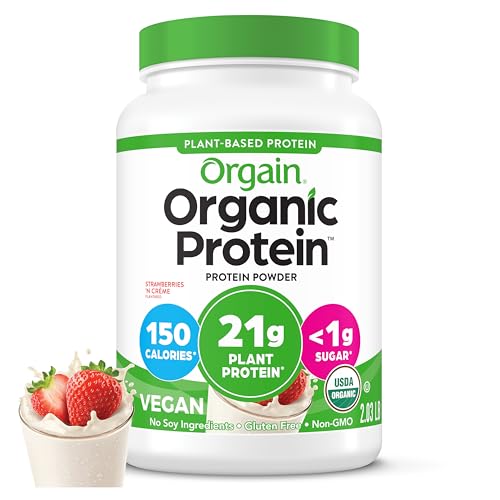
- Best Plant-Based: Orgain Organic Vegan Protein Powder
- Best Whey Isolate for Smoothies: Dymatize ISO100
- Best Value for High Protein per Scoop: Premier Protein 100% Whey
- Best Premium Clean-Label Pick: Transparent Labs Grass-Fed Whey Isolate
- Best Plant Option for Baking: Optimum Nutrition Gold Standard Plant Based
The best protein powder for women who cook and bake at home is Optimum Nutrition Gold Standard 100% Whey if you want a proven, easy-to-mix classic, and Orgain Organic Vegan if you prefer a plant-based powder that works well in smoothies and oatmeal. Both are widely available, both come in flavors that suit sweet recipes, and both list their protein per serving clearly on the label. If you are searching for the best protein supplements for females or the best protein supplement for women, remember that there is no special “women’s” formula that everyone needs: the right choice depends on taste, texture, diet and how you plan to use it in the kitchen.
This guide is research-based. We did not personally use these products. We compared label details in product listings, manufacturer pages and independent nutrition and food publications. It is general shopping information, not medical or dietary advice. Check the ingredient list and talk to a doctor or registered dietitian if you are pregnant, nursing, have allergies, kidney concerns or any medical condition, or take medication. Prices change often, so we use tier words (Budget, Mid-range, Premium).
Our top picks


As an Amazon Associate we earn from qualifying purchases at no extra cost to you.
Top Picks at a Glance
- Best Overall: Optimum Nutrition Gold Standard 100% Whey
- Best Plant-Based: Orgain Organic Vegan Protein Powder
- Best Whey Isolate for Smoothies: Dymatize ISO100
- Best Value for High Protein per Scoop: Premier Protein 100% Whey
- Best Premium Clean-Label Pick: Transparent Labs Grass-Fed Whey Isolate
- Best Plant Option for Baking: Optimum Nutrition Gold Standard Plant Based
Comparison Table
| Product | Best for | Key label details | Watch for | Price tier |
|---|---|---|---|---|
| Optimum Nutrition Gold Standard Whey | All-round shakes and baking | 24 g protein per serving, whey | Contains milk | Mid-range |
| Orgain Organic Vegan 21g | Plant-based smoothies | 21 g protein, 4 g prebiotic fiber, no added sugar (vanilla) | Earthy taste for some | Mid-range |
| Dymatize ISO100 | Light, thin shakes | 25 g protein, whey isolate, hydrolyzed | Costs more per serving | Premium |
| Premier Protein 100% Whey | Higher protein scoops | 30 g protein, 17 servings, no added sugar | Smaller tub size | Mid-range |
| Transparent Labs Grass-Fed Whey | Short ingredient list | 30 servings, naturally flavored, gluten free | Highest cost tier | Premium |
| Optimum Nutrition Gold Standard Plant | Vegan baking and shakes | Pea, rice and other plant blend | Texture can be gritty | Mid-range |
1. Optimum Nutrition Gold Standard 100% Whey: Best Overall
- 24 g of whey protein per serving, per the label in the listing
- Available in many flavors, including vanilla and chocolate
- Comes in several tub sizes, including 2 lb
- Contains milk; other allergens: check the label
Best for: anyone who wants a reliable, mainstream whey that mixes easily into shakes, oats and pancake batter. Skip if: you avoid dairy or lactose.
This is the benchmark whey powder, and that familiarity is its best feature. It dissolves in a shaker bottle or blender without the clumping that cheaper products can produce, and its vanilla and chocolate flavors are a safe base for recipes. In the kitchen, a scoop of vanilla whey can go into pancake batter, overnight oats, yogurt and baked oatmeal cups.
One baking note: whey protein can dry out baked goods and turn rubbery when overheated, so replace only part of the flour with it (many bakers use roughly a quarter of the dry amount) and add moisture from banana, applesauce or yogurt. Check the recipe, because the right amount varies.
The product is a whey concentrate/isolate blend rather than a pure isolate, so it contains a little more lactose than a strict isolate. If dairy digestion is a problem for you, a pure isolate or a plant powder may suit better.
Pros:
- Dependable mixing
- Wide flavor choice
- Clear label with protein per serving
- Easy to find
Cons:
- Contains dairy
- Flavored versions include sweeteners and flavor systems
2. Orgain Organic Vegan Protein Powder: Best Plant-Based Pick
- 21 g of plant protein per serving (the 2.03 lb listing)
- 4 g prebiotic fiber in the vanilla bean version
- No added sugar listed for the vanilla bean version
- Organic plant blend; certain flavors differ in fiber and sugar, so read the label of the flavor you choose
Best for: vegans, people who avoid dairy, and anyone who wants a powder for smoothies, oatmeal and muffins. Skip if: you dislike the slightly earthy taste typical of pea and rice blends.
Plant powders are a different cooking experience. They absorb more liquid than whey, so batters can turn thick, and they have a natural flavor that is stronger in plain water. Blend them with banana, cocoa, peanut butter or frozen fruit to cover it up. The vanilla bean version is a versatile starting point for baking, because the sweetness is moderate and it pairs with cinnamon, nutmeg and fruit.
In a recipe, you can often swap this for part of the flour in pancakes, muffins and energy bites. As with all protein powders, start with a small portion of the dry ingredients and add liquid if the batter seems stiff. The fiber content can also feel filling, and some people notice digestive changes with prebiotic fiber, so start with a half serving if you are new to it.
Pros:
- Dairy-free and vegan
- Some fiber per serving
- Lower sugar profile in the vanilla bean version
- Mixes fairly smoothly in a blender
Cons:
- Earthy flavor in plain liquids
- Can feel thick in shakes
3. Dymatize ISO100: Best Whey Isolate for Smoothies
- 25 g protein per serving, per the listing
- 100% whey isolate, hydrolyzed
- Gourmet vanilla and many other flavors
- Contains milk
Best for: people who want a lighter, thinner shake and a pure whey isolate. Skip if: budget is your top concern.
Whey isolate is filtered further than whey concentrate, which usually means less lactose and fat in each scoop. Hydrolyzed whey is pre-broken into smaller protein pieces. The practical effect for a home cook is a drink that blends clear and thin, which is nice with iced coffee, cold-brew smoothies and light fruit blends. If your protein shakes tend to feel heavy, this style is worth trying.
It is less ideal for baking: isolates have little fat and behave differently from concentrates, so baked goods can turn out denser. It also costs more per serving than basic concentrates. We do not make health claims about isolates, and the label remains the best source for allergen and nutrition details.
Pros:
- Thin, easily blended texture
- 25 g protein per serving
- Many flavors
Cons:
- Premium tier cost
- Not a baking powder
4. Premier Protein 100% Whey: Best Value for High Protein per Serving
- 30 g of protein per serving, per the listing
- 17 servings in the listed container
- No added sugar listed
- Chocolate flavor in the listing; contains milk
Best for: shoppers who want more protein in each scoop at a moderate cost. Skip if: you need a very large container for many servings.
When protein per scoop matters, 30 g stands out among the picks here. A single scoop can anchor a shake or a batch of protein pancakes. The chocolate flavor blends well with frozen banana, coffee and peanut butter, and it also works in a chocolate protein mug cake or hot chocolate if you stir it in off the heat to avoid clumping.
Check the serving size, because a larger scoop is the reason for the higher protein figure. Also confirm the sweetener used, since flavored powders vary from product to product.
Pros:
- 30 g protein per serving
- Moderate cost tier
- Chocolate works in many recipes
Cons:
- Fewer servings per tub
- Contains dairy
5. Transparent Labs Grass-Fed Whey Isolate: Best Premium Clean-Label Pick
- 30 servings in the listed container
- Naturally flavored and gluten free, per the listing
- Whey isolate from grass-fed cows
- Protein per serving: check the label for your flavor
Best for: people who want a short ingredient list and are willing to pay for it. Skip if: you want the lowest cost per serving.
Transparent Labs focuses on short ingredient panels and natural flavoring, which appeals to cooks who like to read labels. It is among the pricier options here. Natural flavors tend to taste less sweet than heavily sweetened competitors, which is actually an advantage in recipes, because you can control sweetness yourself with fruit or a little honey.
In cooking, treat it like any isolate: it blends smoothly into drinks and thin batters, and works best in recipes where it replaces only a small share of the flour.
Pros:
- Short, natural-flavored profile
- Gluten free per the listing
- Mixes smoothly
Cons:
- Highest cost tier
- Flavors are less sweet
6. Optimum Nutrition Gold Standard Plant Based: Best Plant Option for Baking
- Vegan blend with pea, rice and other plant proteins
- Rich Chocolate Fudge and Creamy Vanilla flavors
- Available in a 1.5 lb size
- Protein per serving: check the label
Best for: plant-based bakers who like chocolate flavors. Skip if: you are sensitive to pea or rice products.
A blend of different plant proteins generally gives a more balanced result than a single source, and chocolate hides the earthy notes of plants well. The chocolate fudge flavor is a good fit for brownies, chocolate overnight oats and dairy-free pudding. Bake with a modest amount, add moisture, and expect a slightly denser crumb.
Pros:
- Vegan
- Strong chocolate flavor for baking
- Known brand
Cons:
- Texture can be gritty
- Not for people avoiding pea or rice
Also Consider
- Vital Proteins Collagen Peptides: an unflavored collagen powder that dissolves in hot and cold liquids, handy in coffee and soups. It is a different type of protein, so do not treat it as a direct swap for whey or plant blends.
- FoxyFit Protein for Her: a whey powder marketed to women, in a vanilla cupcake flavor. The marketing is about preference, so compare the label with the others here.
- Garden of Life Raw Organic Protein: an organic plant powder with a longer ingredient list, for shoppers who prefer organic options.
- Isopure Zero Carb Whey Isolate: a 25 g protein isolate, available unflavored, which suits savory cooking and soups where sweetness is not wanted.
How We Chose
We chose powders that are currently sold, clearly labeled, and suited to home cooking as well as shakes. We compared label figures from product listings, manufacturer pages and independent nutrition and food publications, looking at protein per serving, protein source, added sugar, flavor options and allergens. We did not personally use these products. We avoided any claim about results, body changes or health benefits, because those depend on the person. We limited each brand to two entries and noted “check the label” where a figure varies by flavor.
Buying Guide
Whey, isolate or plant
Whey concentrate is the most common and usually the best value. Whey isolate is filtered more and has less lactose and fat per scoop, so it feels lighter in a shake. Plant blends, usually pea and rice, suit people avoiding dairy. Collagen is a different protein and is not a complete replacement. Choose based on your diet and how the powder tastes to you, because a product you enjoy is the one you will actually use.
Protein per serving and serving size
A typical scoop gives roughly 20 to 30 g of protein. Do not compare tubs by total weight. Compare grams of protein per serving and the number of servings. A powder with a high protein number may have a larger scoop. If you only want a modest boost in recipes, a 20 to 25 g scoop is plenty.
Sugar, sweeteners and ingredients
Read the added sugar line and the sweetener list. Some powders use sucralose or stevia, some use sugar, and some are unsweetened. If you are cooking, unflavored or lightly sweetened powders give you the most control. If you are mixing shakes, a flavored version saves effort.
Taste and mixability
Whey tends to mix easily. Plant blends can feel gritty unless blended well. A blender with ice and fruit improves almost any powder. Buy a small tub before a big one if you are unsure of the flavor.
Third-party quality marks
Supplements are not reviewed by regulators in the same way as medicines. Look for third-party quality seals, such as certifications for sport or for ingredient purity, if that matters to you, and buy from reputable sellers. Ask a healthcare professional if you have concerns about a particular ingredient.
Kitchen Tips for Cooking With Protein Powder
- Replace only a portion of the flour, then add moisture.
- Stir whey into hot drinks off the heat, or blend it with a splash of cool liquid first, so it does not clump.
- Use bananas, yogurt, applesauce or pumpkin to keep baked goods soft.
- Lower the oven temperature slightly and shorten baking time, as protein-heavy batters brown fast.
- Store tubs in a cool, dry cupboard and close the lid tightly.
Three Easy Recipes Using Protein Powder
Vanilla protein oatmeal
Cook half a cup of rolled oats with water or milk, let the pot cool for a minute, then stir in one scoop of vanilla whey or plant powder. Adding the powder off the heat keeps it from clumping. Top with sliced banana, cinnamon and a few nuts. Adjust the liquid until the texture is creamy.
Chocolate banana smoothie
Blend one frozen banana, a scoop of chocolate protein powder, a spoonful of peanut butter, a handful of ice and a cup of milk or dairy-free milk. The banana and nut butter cover the taste of plant blends well, and ice gives a thicker, milkshake-like texture.
Protein pancakes
Mix one mashed banana, two eggs, a scoop of vanilla whey and a pinch of baking powder. Cook small pancakes over medium-low heat, because protein-rich batter browns quickly. If the batter is stiff, add a splash of milk. This is a place where whey concentrate such as Optimum Nutrition Gold Standard tends to behave better than a pure isolate.
Reading a Protein Powder Label Like a Cook
Treat the label like a recipe. The ingredient list is ordered by weight, so the first few items tell you what the powder mostly is. Look for the protein source, any thickeners such as gums, sweeteners, and added flavors. The nutrition panel lists protein per serving, but also check the serving size in grams, since a larger scoop explains a higher number. Allergen statements show whether the product contains milk, soy, eggs or tree nuts, or was made in a facility that handles them. If a claim on the front of the tub is not backed by the panel on the back, trust the panel.
It also helps to remember that powders are a convenience, not a requirement. Food sources of protein such as eggs, dairy, legumes, fish and poultry do the same job, and a registered dietitian can help you work out what is right for you.
Which Powder for Which Recipe
| Recipe | Best match | Tip |
|---|---|---|
| Pancakes and waffles | Whey concentrate (Optimum Nutrition Gold Standard) | Replace a small share of flour and add moisture |
| Fruit smoothies | Whey isolate (Dymatize ISO100, Transparent Labs) | Blends thin and smooth |
| Chocolate brownies or muffins | Chocolate plant blend (Optimum Nutrition Plant Based) | Chocolate hides the earthy taste |
| Oatmeal and yogurt bowls | Vanilla plant or whey (Orgain, Premier Protein) | Stir in off the heat |
| Coffee and hot drinks | Collagen peptides (Vital Proteins) or unflavored isolate | Dissolves more easily than most powders |
| Soups and savory sauces | Unflavored isolate (Isopure) | Whisk into a little cool liquid first |
Common Kitchen Problems and Fixes
Clumps in hot liquids
Protein powders can clump or curdle in very hot liquids. Mix the powder into a small amount of cool liquid to make a paste, then stir that into the hot dish after removing it from the heat. Whisking helps more than a spoon.
Dry or rubbery baked goods
Whey tightens up when overbaked. Replace only part of the flour, add yogurt, mashed banana or applesauce, and watch the oven time. A lower temperature helps protein-heavy recipes finish without drying out.
Gritty or chalky texture
Plant powders can feel gritty if they are not fully blended. Use a blender rather than a shaker, let the mix rest for a minute, and add a source of fat, such as nut butter or avocado, which smooths the texture.
Too sweet or too bland
Flavored powders contain sweeteners that can make recipes taste artificial. Cut back on other sugar in the recipe, or switch to an unflavored powder and sweeten with fruit. If a plain powder tastes flat, a pinch of salt and some vanilla extract go a long way.
Storage and Freshness
Keep powders in their original container with the lid closed, in a cool, dry cupboard away from the stove. Use the scoop provided and keep it dry, because moisture causes clumps. Check the best-by date on the tub, and discard any powder that smells off or has changed texture. Single-serve packets travel better than a large tub if you take protein to work or on holiday.
Frequently Asked Questions
What is the best protein powder for women?
There is no single best option, but Optimum Nutrition Gold Standard Whey and Orgain Organic Vegan are two dependable choices for taste and mixing. Pick whey if you eat dairy and a plant blend if you do not.
Do women need a different protein supplement than men?
Protein powders are not made differently by biology in a way that matters for most shoppers. Products marketed to women often differ in flavor, added ingredients or branding, so compare labels rather than marketing.
How much protein powder should I use?
Follow the serving size on the label as a starting point. Individual needs vary with age, activity and health, so ask a doctor or registered dietitian for personal advice.
Is plant protein as good as whey?
Both can provide protein. Plant blends use a mix of sources to build a fuller profile, and whey is a complete protein. Choose the one that fits your diet and tastes.
Can I bake with protein powder?
Yes, but use it to replace only part of the flour and add moisture. Whey can make baked goods rubbery if you use too much, and plant powders absorb extra liquid.
Which protein powder tastes best in smoothies?
Vanilla and chocolate whey blend smoothly and are easy to flavor. Plant powders do well with banana, cocoa or peanut butter masking their natural taste.
Is protein powder safe during pregnancy?
That is a question for your doctor or midwife. Ingredient lists and added vitamins vary between products, so get personal advice before using any supplement during pregnancy or nursing.
Which One Should You Buy?
If you eat dairy and want an all-purpose powder, buy Optimum Nutrition Gold Standard Whey. If you avoid dairy, choose Orgain Organic Vegan for smoothies, or Optimum Nutrition Plant Based for chocolate baking. Pick Dymatize ISO100 for thin, light shakes, Premier Protein for the most protein per scoop at a moderate cost, and Transparent Labs when a short, natural-flavored ingredient list is worth a higher price. Whichever you choose, buy a small size first, read the label for allergens and sweeteners, and use the powder as part of a varied diet.
Sources
- Optimum Nutrition manufacturer product pages
- Orgain, Dymatize and Premier Protein product labels
- Transparent Labs product information
- Independent nutrition and food publications’ protein powder guides
Last updated: October 2026









Write Your Review
No reviews yet. Be the first to share your experience!