
Our Short List of 3

- Best for: A home cook who wants a light, versatile chef’s knife that still splits hard squash cleanly.
- 8-inch high-carbon stainless steel blade, extra wide
- Fibrox non-slip ergonomic handle
- Total length 13.4 inches, blade length 7.9 inches
- Weight 6.4 oz
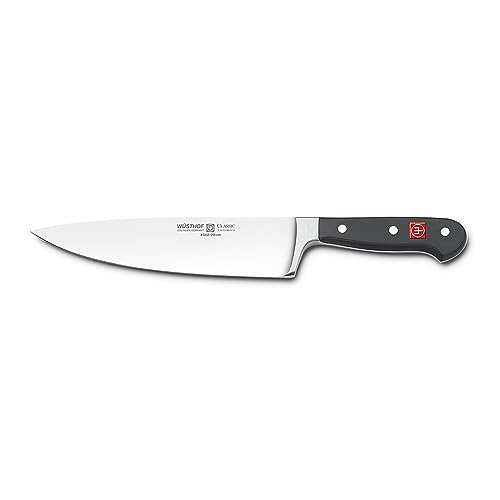
- Best for: A cook who wants a heavy, forged knife that powers through the toughest squash.
- Forged from one piece of German steel, tempered to 58 HRC
- 8-inch blade with a 14-degree precision edge
- Full bolster and full tang for balance
- Triple-riveted handle

- Best for: A cook prepping squash in large batches who wants a sturdy, grippy forged knife.
- Forged high-carbon German steel, 8-inch blade
- Curved chef’s blade that rocks through produce
- Full bolster for forward weight
- Santoprene ergonomic handle with a secure grip
All 3 Picks at a Glance
| Product | Specs | Action |
|---|---|---|
| Victorinox Fibrox Pro 8-Inch |
| Check price on Amazon |
| Wusthof Classic 8-Inch |
| Check price on Amazon |
| Mercer Culinary Genesis 8-Inch |
| Check price on Amazon |
Key takeaways
- Looking for the best knife for butternut squash? Compare three heavy chef's knives on blade length, weight, and grip for splitting hard squash safely.
A butternut squash is the hardest thing most home cooks cut all year, with a thick skin, dense flesh, and a shape that rolls the moment a knife touches it. The real decision is finding a knife heavy enough to split the squash in one steady push, with a blade long enough to reach through it and a handle that stays grippy when your hands are wet. A thin, light knife wedges and sticks, while the right chef’s knife does the job safely. Blade length, weight, and grip all matter here, so the best knife fits your hands and your squash.
This guide is for home cooks who roast, soup, and meal-prep with winter squash, including anyone who has ever fought a squash with a dull knife and a wobbling cutting board. The three knives below were chosen from the names and specifications stated on their Amazon product pages, and each one is an eight-inch chef’s knife built for hard produce.
Quick Picks
As an Amazon Associate we earn from qualifying purchases
| Product | Best for | Key spec from title |
|---|---|---|
| Victorinox Fibrox Pro 8-Inch | A light, nimble knife for daily squash prep | 8-inch high-carbon stainless blade |
| Wusthof Classic 8-Inch | A heavy forged knife for tough splitting | Forged German steel, 58 HRC |
| Mercer Culinary Genesis 8-Inch | A sturdy, grippy knife for big batches | Forged high-carbon German steel |
How to Choose
Pick a blade that reaches through the squash
A butternut squash is long and thick, so the blade has to span the whole vegetable in one cut instead of sawing back and forth through dense flesh. An eight-inch chef’s knife is the right length for most squash, giving enough edge to start at the stem and push straight through to the board. A shorter blade forces you to rock and reposition, which is when the squash rolls and the knife slips. Measure your largest squash against the blade before you buy, and choose the longer knife when you regularly cook the biggest ones. A longer blade also keeps your guiding hand farther from the edge during each cut.
Choose weight that does the work
Splitting a hard squash is a job for weight as much as sharpness, because a heavier knife drives through dense flesh with less force from your arm. A forged knife with a full tang carries its weight forward into the cut, while a very light knife needs more pressure and tires your wrist faster. That said, a knife that is too heavy will feel clumsy during the rest of dinner prep, so look for a balance between heft and control. A knife that feels balanced in your hand will also feel safer when the cut gets tough. Hold the knife if you can, and pick the one that feels steady rather than tiring.
Look for a handle that stays grippy
Butternut squash prep means wet hands, squash juice, and a board that slides, so the handle has to stay secure when everything is damp. A textured, non-slip handle with a slight curve keeps your grip firm through a long push cut, while a smooth, polished handle can twist at the worst moment. Check that the handle fills your palm without forcing your fingers into an awkward pinch, and that the bolster does not dig into your hand. A comfortable grip matters more than looks when the knife is doing hard work. A handle with a slight curve also keeps your knuckles clear of the board while you chop.
Keep the edge sharp and the board steady
Even the best knife fails on a butternut squash if the edge is dull, so plan for sharpening as part of the purchase. A sharp edge bites into the skin instead of skating across it, which is the moment most cuts happen. Pair the knife with a honing steel for regular upkeep and a professional sharpening once or twice a year. Steady the squash by cutting a flat slice off one side first, then rest that flat side on the board so the squash cannot roll while you split it. A honing steel keeps the edge aligned between sharpenings, so the knife stays ready all season long.
The 3 Best Options
Victorinox Fibrox Pro 8-Inch
- Best for: A home cook who wants a light, versatile chef’s knife that still splits hard squash cleanly.
- 8-inch high-carbon stainless steel blade, extra wide
- Fibrox non-slip ergonomic handle
- Total length 13.4 inches, blade length 7.9 inches
- Weight 6.4 oz
A home cook who wants a light, versatile chef’s knife that still splits hard squash cleanly.
The light weight means you supply more of the force yourself, so keep the edge honed and let the sharpness do the work.
The Victorinox Fibrox Pro is the knife for a cook who wants a light, nimble blade that still handles a butternut squash without a fight. Its eight-inch high-carbon stainless blade is extra wide, which gives the flat side of the blade more surface to guide the cut, and the Fibrox handle stays non-slip even when your hands are wet from washing squash. At 6.4 ounces it is light enough for everyday prep, yet the laser-tested edge bites into thick skin cleanly instead of skating. It also washes up easily. It is the right pick when squash is a regular job but not the only thing the knife does.
Watch out for: The light weight means you supply more of the force yourself, so keep the edge honed and let the sharpness do the work.
Wusthof Classic 8-Inch
- Best for: A cook who wants a heavy, forged knife that powers through the toughest squash.
- Forged from one piece of German steel, tempered to 58 HRC
- 8-inch blade with a 14-degree precision edge
- Full bolster and full tang for balance
- Triple-riveted handle
A cook who wants a heavy, forged knife that powers through the toughest squash.
The full bolster makes sharpening the heel of the blade harder, so plan for professional sharpening or a guided sharpener.
The Wusthof Classic is the knife for a cook who wants weight and heft to do the splitting, because its forged German steel blade carries momentum through the densest part of the squash. The blade is tempered to 58 HRC, which holds an edge through repeated hard cuts, and the full bolster and full tang give the knife a solid, balanced feel in the hand. The triple-riveted handle stays secure when wet, and the 14-degree edge bites into thick skin on the first push. This is the knife to choose when butternut squash is a weekly job and you want a blade that lasts for years. Built to last.
Watch out for: The full bolster makes sharpening the heel of the blade harder, so plan for professional sharpening or a guided sharpener.
Mercer Culinary Genesis 8-Inch
- Best for: A cook prepping squash in large batches who wants a sturdy, grippy forged knife.
- Forged high-carbon German steel, 8-inch blade
- Curved chef’s blade that rocks through produce
- Full bolster for forward weight
- Santoprene ergonomic handle with a secure grip
A cook prepping squash in large batches who wants a sturdy, grippy forged knife.
Hand-wash and dry the knife after each use, since the maker recommends against dishwasher cleaning.
The Mercer Culinary Genesis is the knife for a cook who preps squash in big batches and wants a sturdy, grippy blade at a working-kitchen feel. Its forged high-carbon German steel blade is eight inches long with a curved edge that rocks through produce, and the Santoprene handle stays grippy even when wet. The full bolster adds weight forward into the cut, which helps the blade drive through dense flesh without extra force from your wrist. It suits a cook who values a solid, professional-style knife and does not mind hand-washing it after each use. The curved edge also speeds up dicing once the squash is split.
Watch out for: Hand-wash and dry the knife after each use, since the maker recommends against dishwasher cleaning.
Which One Fits Your Situation
You cook squash once a week
Choose the Victorinox Fibrox Pro, because its light weight and extra-wide blade handle a weekly squash without tiring your wrist. The non-slip handle stays secure when your hands are wet, and the knife is versatile enough for the rest of dinner prep. Keep a honing steel nearby and the edge will stay ready for every squash you buy. Hone the edge weekly to keep it ready always.
You want the heaviest, most powerful knife
Choose the Wusthof Classic, because its forged steel and full tang carry momentum through the densest squash with the least effort from you. The 58 HRC edge holds up through repeated hard cuts, and the balanced feel keeps the knife steady on a long push. Plan for professional sharpening, since the full bolster makes the heel harder to sharpen at home. Store it in a block or on a magnetic strip.
You prep big batches for the freezer
Choose the Mercer Culinary Genesis, because its grippy Santoprene handle and forward-weighted blade stay comfortable through a long session of splitting and cubing squash. The curved edge rocks through produce quickly, which matters when a pile of squash is waiting. Hand-wash and dry the knife between batches so the edge stays in good shape. Dry it fully each time to protect the edge.
You are new to cutting winter squash
Choose the Victorinox Fibrox Pro, because its light weight and sure grip are the most forgiving for a beginner. Cut a flat slice off one side of the squash first, rest that flat side on the board, and let the sharp edge do the work instead of forcing the cut. A sharp knife and a steady board matter more than brute force. Go slow and steady, and keep your fingers curled.
Common Mistakes
- Using a dull knife on a butternut squash, which skates across the skin and slips. Hone it first and test the edge.
- Choosing a short or thin blade that cannot reach through the squash in one cut. Pick eight inches minimum.
- Cutting a round squash on a bare board without first slicing a flat side to stop it rolling. Cut a flat side first always.
- Picking a smooth-handled knife that twists in wet hands during a hard push cut. Choose a grippy handle.
- Forcing the knife with body weight instead of letting a sharp edge do the work. Let the edge cut.
Frequently Asked Questions
What kind of knife is best for butternut squash?
An eight-inch chef’s knife is the best choice, because the blade is long enough to reach through the squash in one steady cut and heavy enough to drive through dense flesh. Look for a sharp edge, a non-slip handle, and enough weight to help the cut along.
Should I peel a butternut squash before cutting it?
Peeling first is harder, because the skin is tough and the squash is awkward to hold. Cut the squash in half first, scoop out the seeds, then peel each half with a vegetable peeler. A sharp chef’s knife and a flat, steady board make the first split safe.
How do I stop a butternut squash from rolling while I cut it?
Slice a thin flat piece off one side of the squash first, then rest that flat side down on the cutting board so the squash sits steady. Place a damp cloth under the board to stop it from sliding, and keep your fingers curled away from the cutting edge.
Can I use a serrated knife on butternut squash?
A serrated knife can saw through the skin, but it tears the flesh and is hard to control on a thick, dense squash. A sharp straight-edge chef’s knife gives a cleaner, safer cut with one steady push. Keep the chef’s knife honed and sharp, and save the serrated knife for bread and tomatoes, where its teeth do the work properly.
More from Amazon
Programs that pair well with the guide above. Offers and eligibility are set by Amazon and may change.
Set up recurring deliveries of everyday items on eligible products. Terms and savings are set by Amazon.
Explore Subscribe & SaveCollect the home and kitchen items you want in one registry that guests can shop from.
Create a wedding registryFree shipping on eligible items, Prime Video and more. Eligible new members can start with a free trial.
Start a Prime free trialAudiobooks and podcasts to listen to on the go. Eligible new members can start with a free trial.
Try Audible freeAs an Amazon Associate we earn from qualifying purchases.
Write Your Review
No reviews yet. Be the first to share your experience!